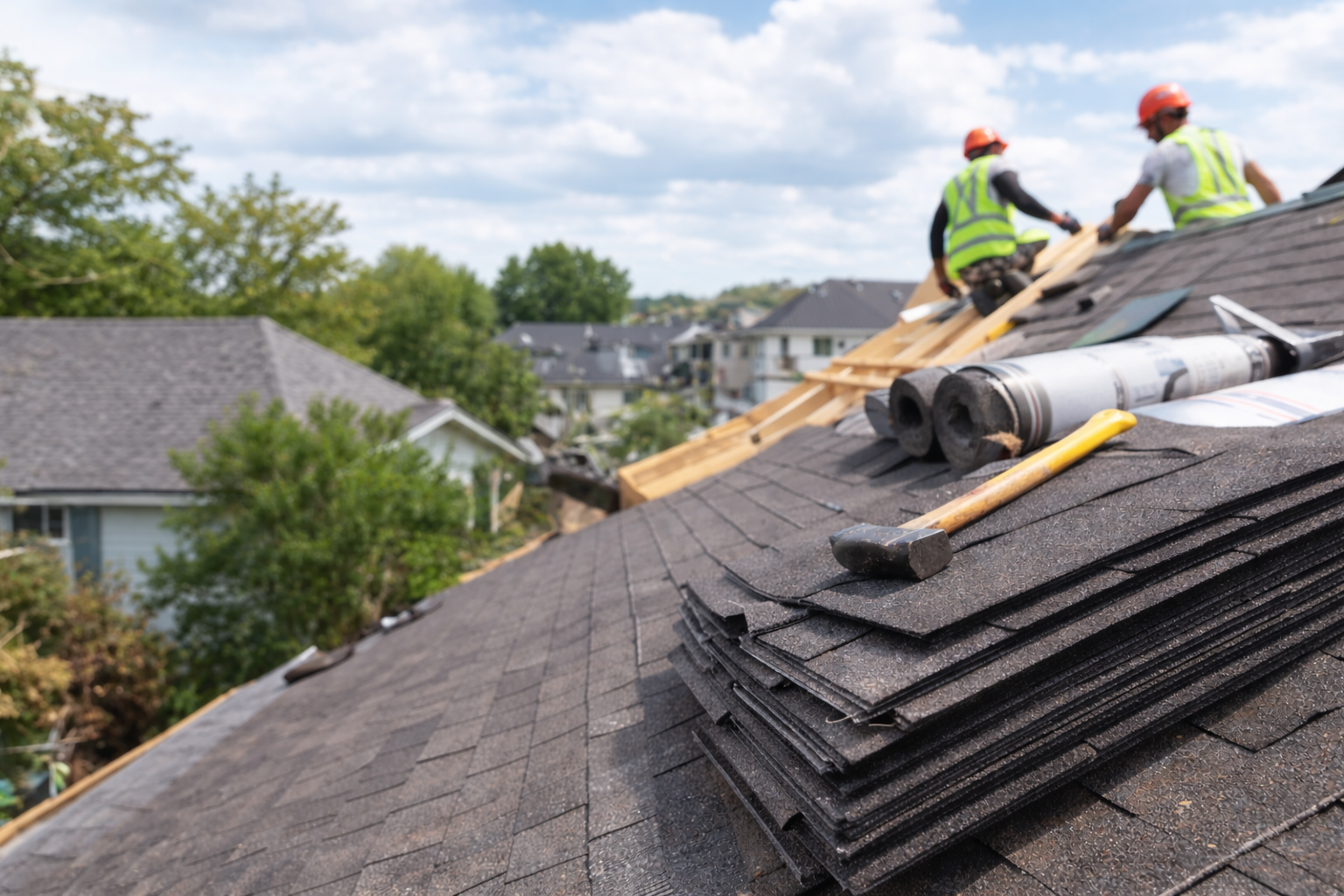
Replacing a roof is one of the most important—and expensive—home improvement projects you’ll face as a homeowner. Whether your roof is aging, damaged, or simply due for an upgrade, understanding the costs involved can help you plan wisely and avoid surprises.
Average Roof Replacement Cost
Roof replacement costs in Texas vary based on home size, materials, and location, but you can expect the following realistic 2026 pricing ranges:
Average Total Cost
- Typical range: $8,000 – $20,000 for most homes
- National-style estimate (Texas): around $7,500 average for a standard home
- Large or premium roofs: can exceed $30,000+
ost Per Square Foot (Texas)
- Basic shingles: $3 – $4.50 per sq. ft.
- Architectural shingles (most common): $4 – $6 per sq. ft.
- Metal roofing: $8 – $14 per sq. ft.
- Premium materials (tile, slate, copper): up to $15 – $30 per sq. ft.
Roofing contractors also measure in “squares” (100 sq ft):
- $350 – $800 per square for shingles
- $900 – $1,600 per square for metal
Cost by Home Size (Texas Estimates)
| Roof Size | Average Cost |
|---|---|
| 1,000 sq ft | $4,000 – $7,500 |
| 1,500 sq ft | $6,000 – $11,250 |
| 2,000 sq ft | $8,000 – $15,000 |
| 2,500 sq ft | $10,000 – $18,750 |
| 3,000 sq ft | $12,000 – $22,500+ |
Cost by Major Texas Cities
- Dallas / Fort Worth: $12,000 – $18,000
- Houston: $11,000 – $17,000
- Austin: $13,000 – $20,000
- San Antonio: $10,000 – $16,000
Prices are higher in metro areas due to labor demand and material costs.
Key Factors That Affect Cost
- Material choice – biggest price driver
- Roof size & complexity – more slopes = higher labor
- Tear-off costs – adds $1–$2 per sq. ft.
- Labor rates – vary by city
- Permits – typically $50 – $300 in Texas
- Weather durability needs – hail-resistant roofs cost more but save on insurance
Texas-Specific Cost Considerations
- Hailstorms & heat increase wear, so stronger materials are common
- Impact-resistant shingles cost more but may reduce insurance premiums
- Large roof sizes (common in Texas homes) increase total costs by 15–30%
Key Factors That Affect Cost
- Material choice – biggest price driver
- Roof size & complexity – more slopes = higher labor
- Tear-off costs – adds $1–$2 per sq. ft.
- Labor rates – vary by city
- Permits – typically $50 – $300 in Texas
- Weather durability needs – hail-resistant roofs cost more but save on insurance
Final Takeaway
For most Texas homeowners in 2026:
- Budget $8,000 to $15,000 for a standard roof
- Expect $15,000 to $25,000+ for larger or premium roofs
Key Factors That Affect Roof Replacement Cost
1. Roof Size and Complexity
The larger your roof, the more materials and labor are required. Complex designs with slopes, valleys, or multiple levels increase installation difficulty and cost.
2. Roofing Materials
Material choice is one of the biggest cost drivers:
- Asphalt shingles: Affordable and widely used
- Metal roofing: Durable but more expensive
- Clay tiles: Premium look with higher cost
- Concrete tiles: Long-lasting but heavy
- Slate roofing: Luxury option with the highest price tag
Each material differs in lifespan, maintenance, and appearance.
3. Labor Costs
Labor charges vary based on location and contractor expertise. Skilled labor may cost more upfront but ensures quality installation and long-term savings.
4. Removal of Old Roof
If your existing roof needs to be removed, disposal and labor costs will add to the total. Some projects allow for overlaying new shingles, but this isn’t always recommended.
5. Structural Repairs
Hidden damage like rotting wood, leaks, or mold can increase costs once the old roof is removed. It’s wise to budget for unexpected repairs.
6. Permits and Regulations
Depending on your city, you may need permits for roof replacement, which can add to the overall expense.
Cost Breakdown Example
Here’s a rough estimate for a standard home:
- Materials: 50–60% of total cost
- Labor: 30–40%
- Miscellaneous (permits, disposal): 10–15%
How to Save Money on Roof Replacement
- Get multiple quotes: Compare at least 3 contractors
- Choose the right season: Off-season work may be cheaper
- Use durable materials: Higher upfront cost can mean fewer repairs later
- Check warranties: Ensure both material and workmanship are covered
When Should You Replace Your Roof?
You might need a replacement if you notice:
- Frequent leaks
- Missing or damaged shingles
- Sagging areas
- Mold or water damage
- Roof age exceeding 20–30 years
Ignoring these signs can lead to more expensive structural issues.
Final Thoughts
Roof replacement is a significant investment, but it’s essential for protecting your home and maintaining its value. By understanding the cost factors and planning ahead, you can make informed decisions that balance quality and budget.
If you’re considering a roof replacement, start by assessing your needs, setting a realistic budget, and consulting experienced professionals. A well-installed roof isn’t just an expense—it’s long-term protection for your home.