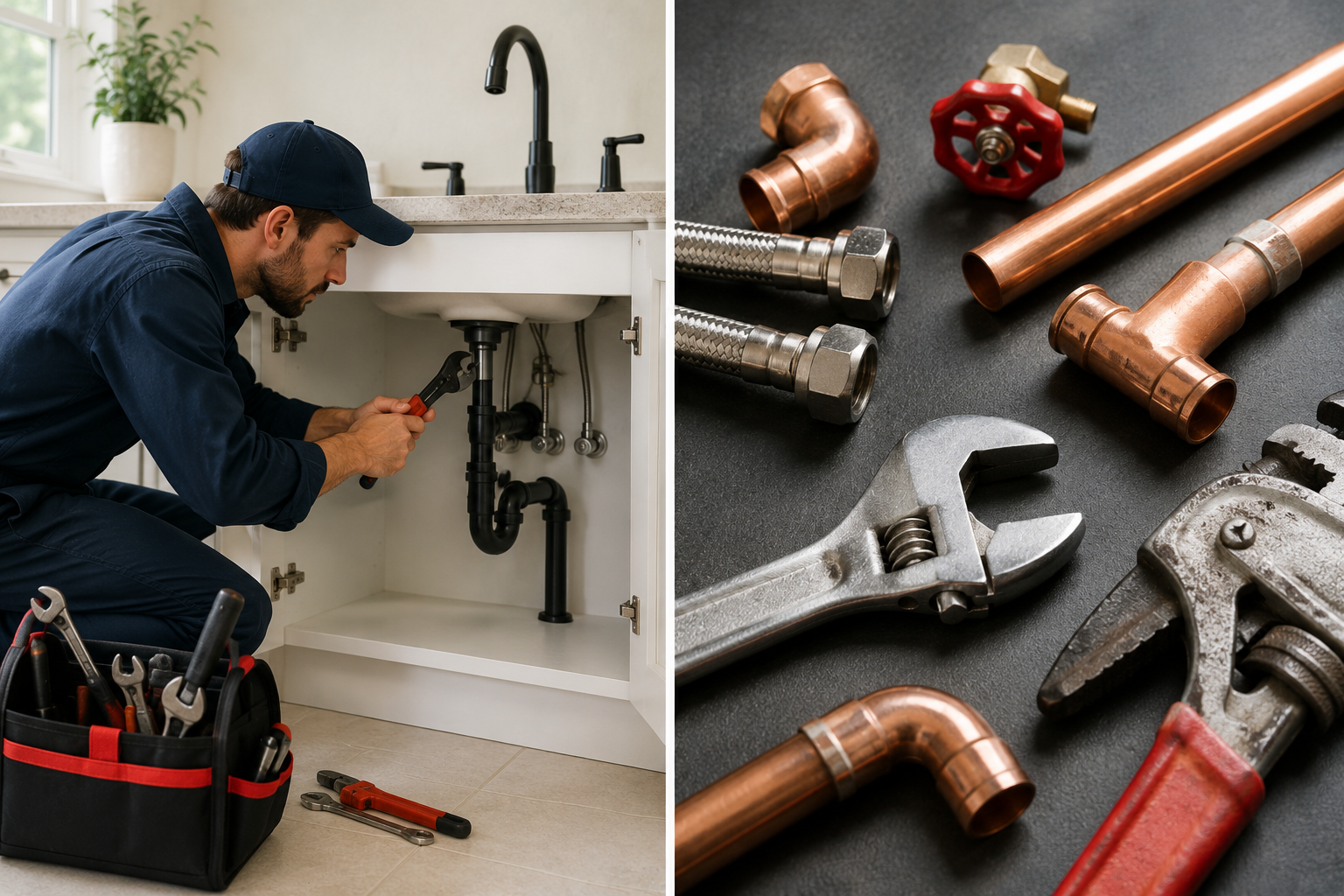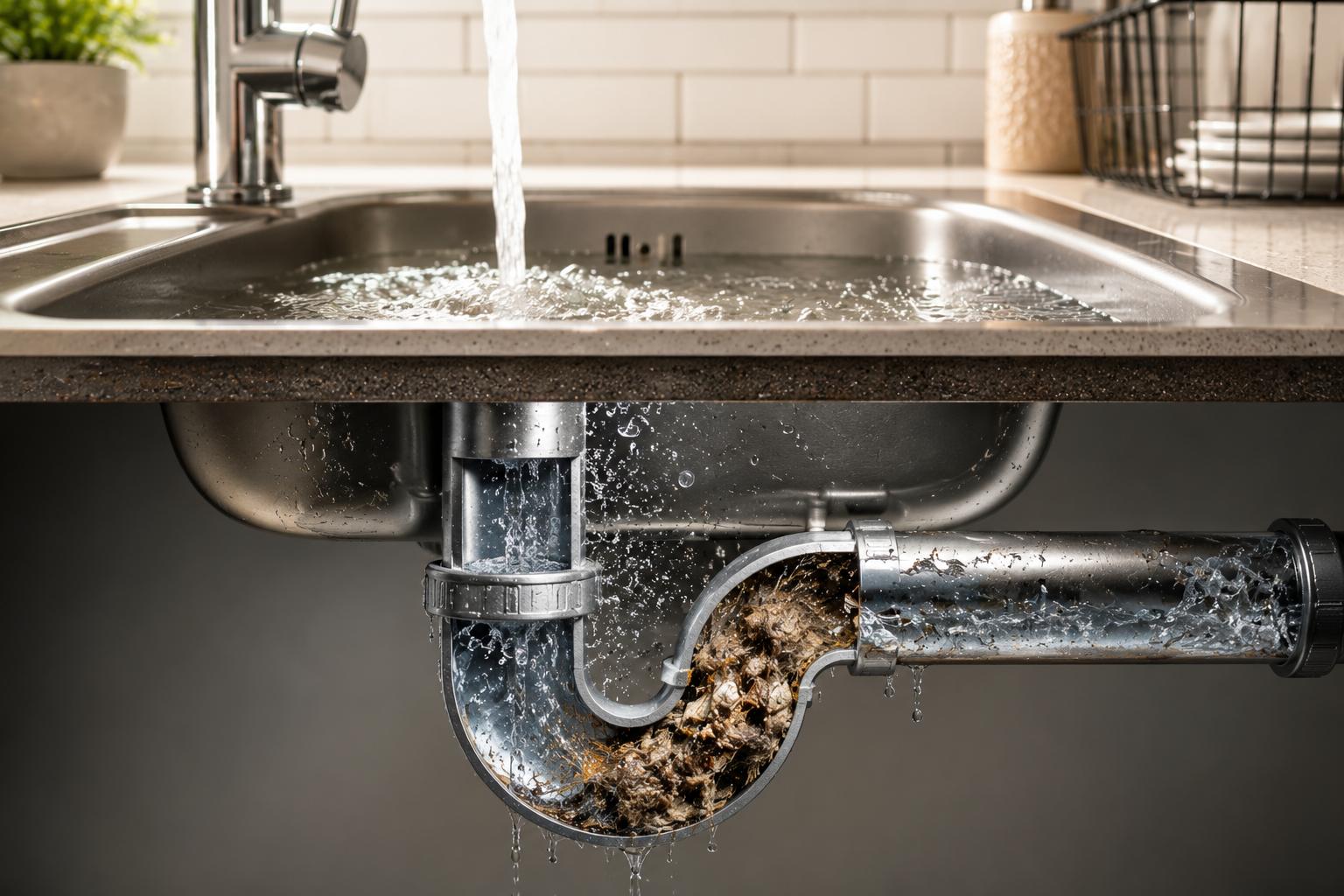
A clogged sink drain is one of the most common plumbing problems homeowners face. Whether it happens in the kitchen, bathroom, or laundry room, a blocked drain can disrupt daily activities and lead to unpleasant odors, standing water, and potential pipe damage.
While some minor clogs can be fixed with simple home remedies, persistent or severe drain blockages often require professional plumbing services. Understanding the causes of clogged sink drains and how to prevent them can help keep your plumbing system running smoothly.
What Causes Clogged Sink Drains?
Sink drains can become clogged over time due to the buildup of debris, grease, soap, and other materials inside the pipes.
Common Causes of Kitchen Sink Clogs
Grease and Oil Buildup
Cooking grease, fats, and oils can harden inside pipes and trap food particles, creating stubborn blockages.
Food Waste
Coffee grounds, rice, pasta, eggshells, and fibrous foods can accumulate in kitchen drains and cause clogs.
Soap Residue
Soap scum can stick to pipe walls and gradually restrict water flow.
Common Causes of Bathroom Sink Clogs
Hair Accumulation
Hair is one of the leading causes of bathroom drain clogs.
Toothpaste and Soap Scum
Toothpaste residue and soap buildup can narrow pipes over time.
Small Objects
Items like cotton swabs, dental floss, and jewelry may accidentally fall into drains and create blockages.
Signs of a Clogged Sink Drain
Recognizing early warning signs can help prevent larger plumbing problems.
Common Signs Include:
- Slow-draining water
- Standing water in the sink
- Gurgling noises from pipes
- Unpleasant drain odors
- Water backups
- Frequent recurring clogs
If left untreated, minor drain issues can worsen and affect the entire plumbing system.
DIY Methods for Clearing Clogged Sink Drains
Some minor clogs can be resolved using simple household methods.
Use Hot Water
Pouring hot water down the drain may help dissolve grease and soap buildup.
Baking Soda and Vinegar
A mixture of baking soda and vinegar can break down mild blockages naturally.
Plunger
A sink plunger can help loosen clogs caused by trapped debris.
Drain Snake
A drain snake or auger can remove hair and debris from deeper inside the pipe.
When to Call a Professional Plumber
DIY methods may not work for severe or recurring clogs. Professional plumbing services are recommended when:
- Multiple drains are clogged
- Water backs up frequently
- Foul odors persist
- DIY methods fail
- The blockage is deep in the plumbing system
Professional plumbers use advanced equipment like drain cameras and hydro jetting to identify and clear stubborn blockages safely.
Professional Drain Cleaning Solutions
Drain Snaking
Plumbers use specialized drain snakes to break apart clogs inside pipes.
Hydro Jetting
Hydro jetting uses high-pressure water to thoroughly clean pipe walls and remove grease, sludge, and debris buildup.
Video Camera Inspections
Camera inspections help identify hidden plumbing problems, including pipe damage and root intrusion.
How to Prevent Sink Drain Clogs
Preventative maintenance is the best way to avoid drain problems.
Kitchen Sink Prevention Tips
- Avoid pouring grease down the drain
- Use sink strainers
- Dispose of food scraps properly
- Flush drains regularly with hot water
Bathroom Sink Prevention Tips
- Use hair catchers
- Avoid flushing non-dissolvable items
- Clean drains regularly
Routine maintenance can significantly reduce the risk of future clogs.
Why Prompt Drain Repair Matters
Ignoring clogged drains can lead to:
- Pipe damage
- Water leaks
- Mold growth
- Sewer backups
- Expensive plumbing repairs
Addressing drain problems early helps protect your home and plumbing system.
Final Thoughts
Clogged sink drains are a common but manageable plumbing issue. From grease buildup in kitchen sinks to hair clogs in bathroom drains, understanding the causes and warning signs can help homeowners take quick action before problems worsen.
Regular maintenance, proper drain care, and professional plumbing services when needed can keep your drains flowing efficiently and help prevent costly repairs in the future.
FAQs About Clogged Sink Drains
1. What causes sink drains to clog?
Sink drains commonly clog due to grease, food particles, soap scum, hair, toothpaste residue, and debris buildup inside the pipes.
2. How can I unclog a sink drain naturally?
You can try using hot water, baking soda and vinegar, or a plunger to remove minor clogs naturally before calling a plumber.
3. When should I call a professional plumber for a clogged drain?
If the clog keeps returning, multiple drains are blocked, or DIY methods do not work, it’s best to contact a professional plumber.
4. Can clogged sink drains damage pipes?
Yes, severe or untreated clogs can increase pressure inside pipes and may lead to leaks, corrosion, or pipe damage over time.
5. How do plumbers clear clogged sink drains?
Professional plumbers may use drain snakes, hydro jetting, or camera inspections to identify and remove stubborn blockages safely.
6. Why does my sink drain smell bad?
Foul odors are often caused by trapped food, grease, bacteria, or debris buildup inside the drain pipes.
7. How can I prevent sink drain clogs?
Using drain strainers, avoiding grease disposal, cleaning drains regularly, and flushing with hot water can help prevent clogs.
8. Are chemical drain cleaners safe?
Frequent use of chemical drain cleaners can damage pipes and may not fully solve the problem. Professional cleaning methods are often safer and more effective.