A reliable plumbing system is one of the most important parts of any home or commercial property. From clean water supply and drainage to heating systems and bathroom installations, plumbing plays a major role in everyday comfort and convenience.
Whether you’re planning a renovation, building a new property, or upgrading old pipes and fixtures, understanding the advantages and disadvantages of different plumbing systems can help you make better long-term decisions.
In this guide, we’ll explore the key plumbing pros and cons, common plumbing materials, benefits of professional plumbing services, and important factors homeowners should consider before starting plumbing work.
What Is Plumbing?
Plumbing refers to the system of pipes, fixtures, fittings, valves, and drainage systems used to supply water and remove waste from residential, commercial, and industrial buildings.
Modern plumbing systems include:
- Water supply lines
- Drainage systems
- Sewer connections
- Water heaters
- Faucets and fixtures
- Gas piping
- Bathroom and kitchen plumbing
A properly designed plumbing system improves hygiene, safety, and overall property functionality.
Pros of Modern Plumbing Systems
Modern plumbing technology has significantly improved efficiency, durability, and convenience.
Reliable Water Supply
One of the biggest advantages of modern plumbing is consistent access to clean water.
Benefits Include:
- Safe drinking water
- Better sanitation
- Convenient daily living
- Efficient water distribution
Reliable plumbing systems support kitchens, bathrooms, laundry areas, and heating systems.
Improved Home Comfort
Modern plumbing provides homeowners with:
- Hot water systems
- Efficient drainage
- Comfortable bathrooms
- Better kitchen functionality
These features improve daily living and overall property value.
Energy-Efficient Plumbing Options
New plumbing systems often include energy-saving technologies such as:
- Tankless water heaters
- Low-flow fixtures
- Smart leak detectors
- Water-efficient toilets
These upgrades can lower utility bills and reduce water waste.
Better Hygiene and Sanitation
Plumbing systems help maintain healthy living environments by safely removing wastewater and preventing contamination.
Proper drainage reduces:
- Mold growth
- Standing water
- Bacteria buildup
- Unpleasant odors
Increased Property Value
Updated plumbing systems can improve home resale value.
Buyers often prefer homes with:
- Modern pipes
- Updated bathrooms
- Energy-efficient fixtures
- Leak-free systems
Durable Plumbing Materials
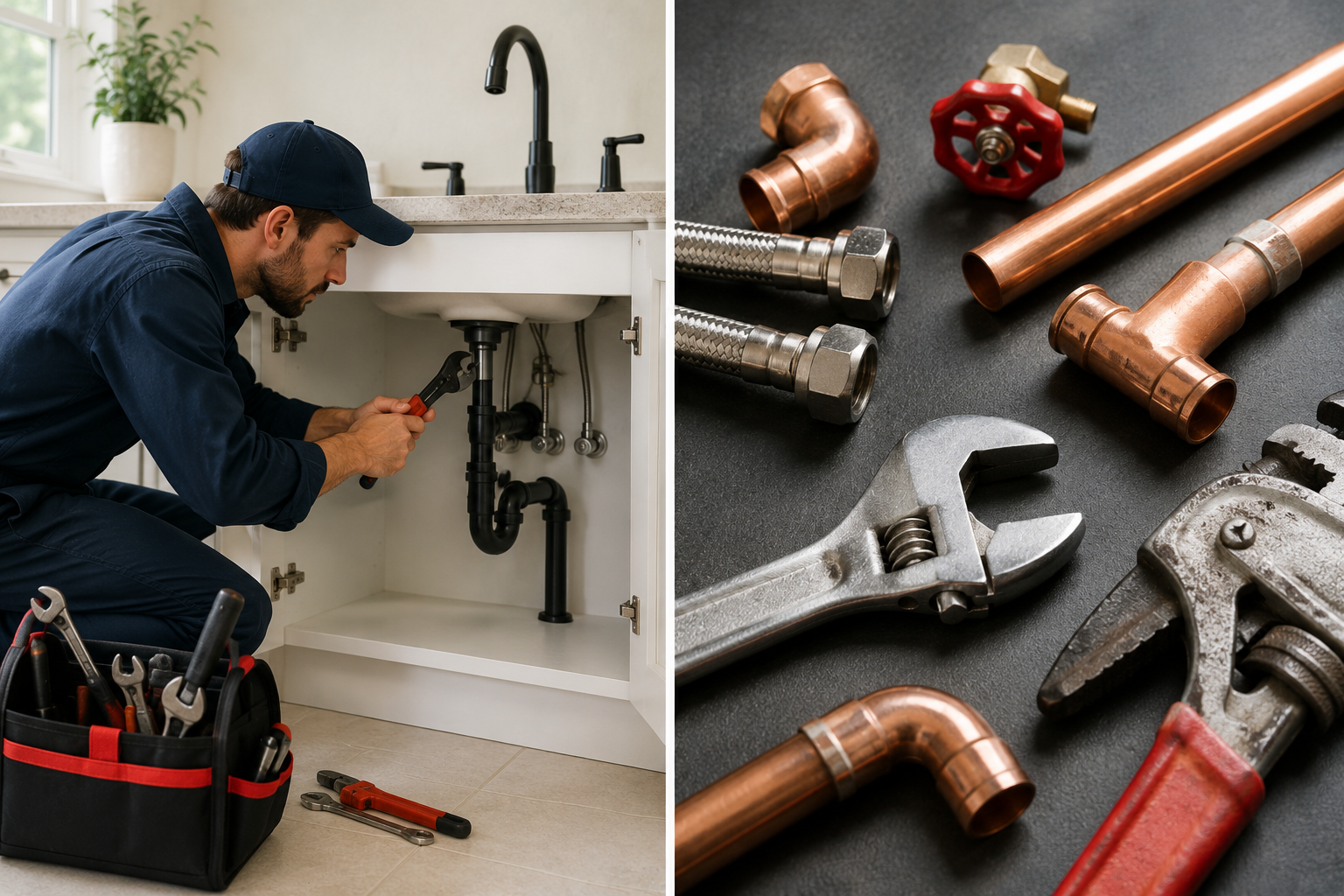
Modern plumbing materials like PEX and copper offer long-lasting performance and corrosion resistance.
Cons of Plumbing Systems
While plumbing systems offer many benefits, there are also some disadvantages and maintenance challenges homeowners should consider.
Expensive Repairs
Plumbing repairs can become costly, especially when issues are hidden behind walls or underground.
Major repairs may involve:
- Pipe replacement
- Water damage restoration
- Sewer line repairs
- Structural repairs
Early maintenance can help reduce major repair costs.
Risk of Leaks and Water Damage
Even small leaks can cause serious property damage if ignored.
Common consequences include:
- Mold growth
- Ceiling damage
- Flooring issues
- Electrical hazards
Routine inspections are important for preventing long-term damage.
Pipe Corrosion
Older plumbing systems may experience rust and corrosion over time.
Corroded pipes can:
- Reduce water pressure
- Affect water quality
- Cause leaks
- Require full replacement
Blocked Drains and Clogs
Drain blockages are common household plumbing problems.
Common causes include:
- Hair buildup
- Grease accumulation
- Food waste
- Soap residue
Frequent clogs may require professional cleaning services.
High Installation Costs
Installing new plumbing systems in renovations or new construction projects can be expensive depending on:
- Property size
- Pipe materials
- Labor costs
- Complexity of installation
However, quality installations usually reduce future maintenance problems.
Emergency Plumbing Issues
Unexpected plumbing emergencies can occur at any time.
Examples include:
- Burst pipes
- Overflowing toilets
- Water heater failures
- Sewer backups
Emergency repairs may require immediate professional assistance.
Common Plumbing Materials and Their Pros and Cons
Different plumbing materials offer different advantages.
Copper Pipes
Pros:
- Durable
- Long lifespan
- Heat resistant
- Corrosion resistant
Cons:
- Expensive
- Complex installation
- Can freeze in cold temperatures
PEX Pipes
Pros:
- Flexible
- Affordable
- Easy installation
- Resistant to scale buildup
Cons:
- UV sensitive
- Not ideal for outdoor use
PEX has become one of the most popular modern plumbing materials.
PVC Pipes
Pros:
- Lightweight
- Budget-friendly
- Corrosion resistant
Cons:
- Limited heat resistance
- Can crack under pressure
PVC is commonly used for drainage systems.
Benefits of Hiring Professional Plumbing Services
Professional plumbers provide expertise that helps prevent costly future issues.
Accurate Problem Diagnosis
Experienced plumbers can quickly identify hidden plumbing problems before they worsen.
Safe Installations
Improper plumbing installations can lead to:
- Water damage
- Gas leaks
- Health hazards
- Code violations
Licensed plumbers ensure systems meet safety standards.
Long-Term Savings
Professional work reduces the likelihood of repeated repairs and costly emergencies.
Access to Modern Equipment
Plumbers use advanced tools such as:
- Drain cameras
- Leak detection systems
- Hydro jetting equipment
These technologies improve repair accuracy and efficiency.
Tips for Maintaining Your Plumbing System
Regular maintenance helps extend the lifespan of plumbing systems.
Helpful Plumbing Maintenance Tips
- Fix leaks immediately
- Avoid pouring grease down drains
- Use drain strainers
- Insulate exposed pipes
- Schedule routine inspections
- Monitor water pressure
- Flush water heaters regularly
Preventative care helps reduce emergency plumbing problems.
Signs You Need Plumbing Repairs
Watch for these warning signs:
- Low water pressure
- Slow drains
- Water stains
- Mold growth
- Unusual pipe noises
- Increased water bills
- Bad odors from drains
Addressing problems early can prevent larger structural damage.
Eco-Friendly Plumbing Trends
Modern plumbing systems increasingly focus on sustainability.
Popular Eco-Friendly Plumbing Solutions
- Water-saving faucets
- Dual-flush toilets
- Smart leak sensors
- Greywater recycling systems
- Energy-efficient water heaters
These upgrades help conserve water and lower utility costs.
Final Thoughts
Plumbing systems are essential for maintaining comfort, hygiene, and functionality in any property. While modern plumbing offers reliable water supply, energy efficiency, and improved sanitation, homeowners should also be aware of potential repair costs, maintenance requirements, and plumbing emergencies.
Understanding the pros and cons of plumbing systems can help you make smarter decisions when upgrading, repairing, or maintaining your property. With regular inspections, quality materials, and professional plumbing services, homeowners can enjoy long-lasting performance, reduced water waste, and greater peace of mind.