When concrete slabs sink or become uneven due to soil settling, poor drainage, or other ground movement, homeowners and property managers are often faced with an important decision: repair or replace. One of the most effective and increasingly popular solutions is polyjacking—a method that uses expanding polyurethane foam to lift and level concrete slabs. But before scheduling work, most people want to know: How much does polyjacking cost?
This article breaks down the foam jacking cost, factors that influence pricing, how polyjacking compares to other methods, and frequently asked questions to help you make an informed decision.
What Is Polyjacking?
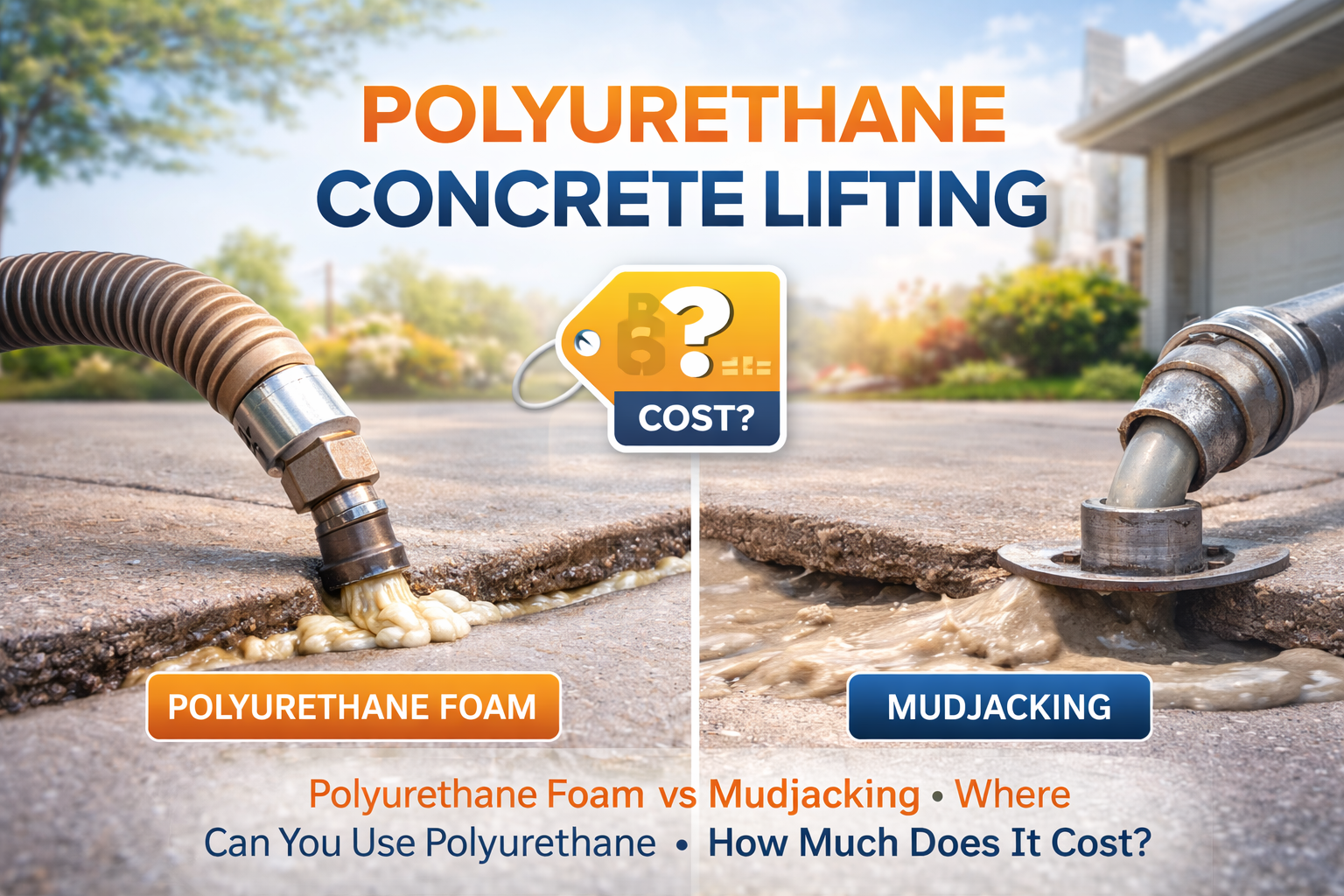
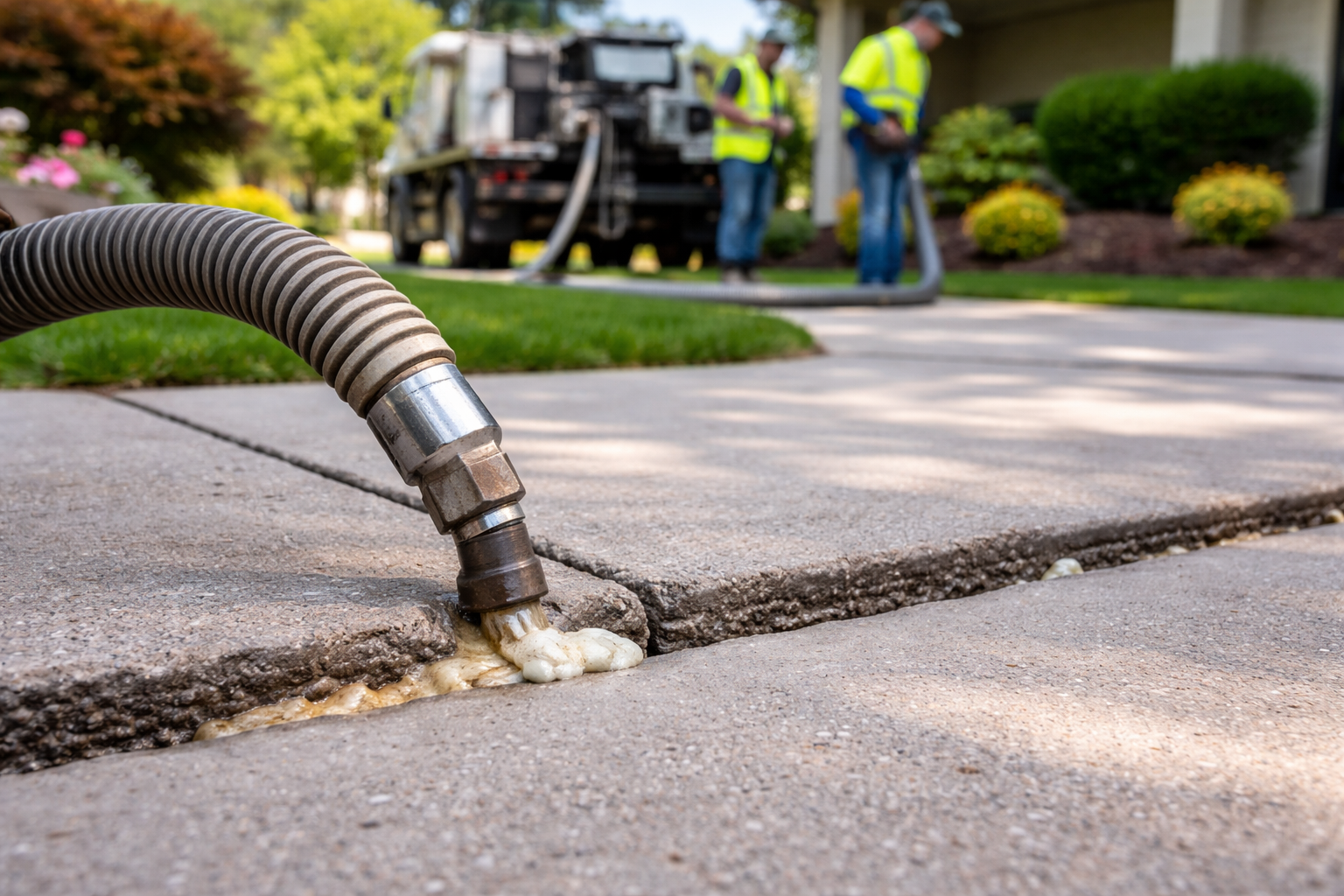
Polyjacking (also called polyurethane foam jacking or foam concrete lifting) is a concrete leveling method that involves injecting lightweight, expanding polyurethane foam underneath a sunken slab. As the foam expands, it fills voids in the soil and gently pushes the concrete back to its original level.
Unlike traditional mudjacking—which pumps a slurry of cement, water, and soil—polyjacking uses a precision foam that cures rapidly and adds minimal weight to the soil beneath the slab. The entire process is typically complete in a few hours, and the surface is ready for use almost immediately afterward.
Average Polyjacking Costs
Polyjacking costs can vary widely depending on several factors, including project size, location, and the severity of slab settlement. However, here’s a general idea of what you can expect:
Per Square Foot Pricing
- $8 to $25 per square foot is a common range for polyjacking services.
- Some contractors may charge a minimum job fee (often between $300–$700 or more) regardless of project size.
- Smaller jobs (like a single slab) tend to have a higher per-square-foot cost than larger areas.
Estimated Project Prices
Here’s how costs commonly scale with various project types:
| Project Type | Typical Cost Range* |
|---|---|
| 25 sq ft (small patch) | $200 – $625 |
| 100 sq ft (sidewalk) | $800 – $2,500 |
| 200 sq ft (partial driveway) | $1,600 – $5,000 |
| 400 sq ft (driveway) | $3,200 – $10,000 |
| 1,000 sq ft (large surface) | $8,000 – $25,000 |
*Range varies based on depth of settlement, accessibility, and region.
Additional Cost Examples
- Steps (40 sq ft): $320 – $1,000
- Sidewalk (100 sq ft): $800 – $2,500
- Garage floor (360 sq ft): $2,880 – $9,000
- Pool deck (400 sq ft): $3,200 – $10,000
These estimates give a practical sense of total pricing for common outdoor and indoor concrete work.
How Much Does It Cost?
Slabjacking costs typically range from $3 to $8 per square foot, making it one of the more affordable options for lifting and leveling sunken concrete. The final price depends on factors such as the size of the slab, how much it has settled, accessibility, and local labor rates. Smaller repairs may be subject to a minimum service fee, while larger areas often benefit from a lower per-square-foot cost. Compared to full concrete replacement, slabjacking is a cost-effective solution that restores stability and functionality with minimal disruption.
Factors That Influence Polyjacking Costs
Several key elements influence how much your polyjacking project will cost:
1. Size of the Area
Larger surface areas require more material and longer labor time, increasing total cost. However, larger projects often have a lower per-square-foot price compared to small, isolated repairs.
2. Severity of Settlement
If a slab has dropped several inches or has large voids underneath, it takes more foam—and more time—to lift it. Deeper lifts usually cost more.
3. Accessibility
Concrete that’s hard to reach, surrounded by landscaping, or near obstacles generally increases labor time and costs. Easy access keeps prices lower.
4. Labor Costs
Labor often accounts for 40–60% of the polyjacking cost, depending on the contractor’s experience and location. Higher local wage rates tend to increase overall pricing.
5. Geographic Location
Prices vary regionally. Urban and high-cost areas typically pay more for both materials and labor.
6. Additional Services
Extras such as sealant application, crack repair, soil stabilization, and drainage improvements can add to the total cost. Some municipalities may also require permit fees.
Polyjacking vs. Mudjacking
A common comparison is mudjacking versus polyjacking:
Mudjacking
- Generally cheaper, averaging $3–$8 per square foot.
- Uses a heavier slurry mixture that can add weight to soil, potentially causing future settling.
- Requires larger drill holes and longer curing times.
Polyjacking
- Costs more upfront but offers:
- Faster curing time (often minutes instead of days).
- Lightweight material that reduces further soil pressure.
- Better durability and precision.
While mudjacking might be suitable for basic sidewalk leveling, polyjacking is usually a better choice for driveways, foundations, and other critical concrete surfaces.
Is Polyjacking Worth It?
Although polyjacking costs more upfront than traditional methods, it offers several advantages:
- Quick turnaround—concrete can often be used within hours.
- Long-lasting results that withstand moisture and soil movement better than slurry.
- Less invasive with smaller drill holes and minimal disruption.
- Cost savings compared to full slab replacement, which can be 2–3 times more expensive.
For many homeowners and property owners, the benefits outweigh the higher initial cost. Polyjacking often pays off through durability, reduced downtime, and improved structural performance.
FAQs About Polyjacking Costs
Q: How long does polyjacking last?
A: When installed properly, polyurethane foam lifts can last 20 years or more, potentially matching the life of the concrete itself.
Q: Can polyjacking be used on all concrete surfaces?
A: Yes—polyjacking works on driveways, sidewalks, patios, walkways, pool decks, garage floors, and interior slabs.
Q: Do I need to replace the concrete afterward?
A: No. In most cases, once the slab is leveled, the surface is ready to use. However, additional finishing work (like sealing holes) may incur small extra fees.
Q: How quickly can I use the surface after polyjacking?
A: The foam cures quickly—often within 15–30 minutes, so you can usually walk or drive on it the same day.
Q: Is polyjacking environmentally friendly?
A: Polyurethane foam is closed-cell and non-toxic; it doesn’t leach into soil or groundwater and reduces waste from demolition.
Q: Should I get multiple quotes?
A: Absolutely—prices can vary widely by contractor, region, and project complexity, so getting several estimates helps ensure a fair price.
Conclusion
Polyjacking is a highly effective method for lifting and leveling sunken concrete that offers speed, durability, and minimal disruption compared to traditional alternatives. While costs vary based on project size, severity of settlement, location, and other factors, understanding pricing structures helps you plan and budget effectively.
Whether you’re dealing with a stuck driveway, an uneven patio, or settlement under a slab foundation, polyjacking may be a cost-efficient and long-lasting solution worth considering.
If you’d like help estimating or comparing quotes for your specific project, feel free to ask!