Category: Education

  • Child Learning Games: Making Education Fun and Interactive

    Child Learning Games: Making Education Fun and Interactive

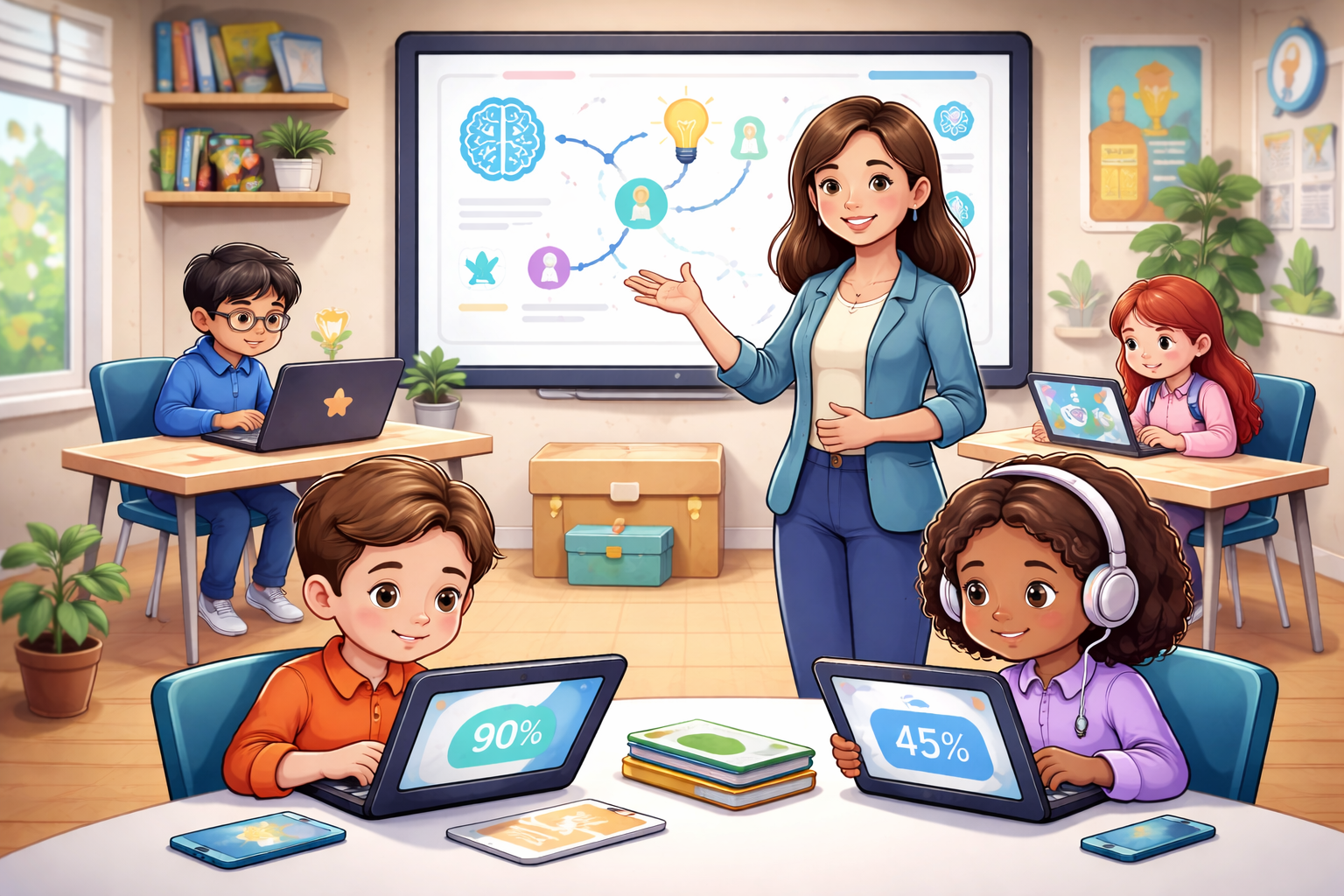
    Learning through play is one of the most effective ways to support a child’s development. Child learning games combine education with entertainment, helping children build important skills while staying engaged and motivated. From puzzles and memory games to educational apps and creative activities, learning games encourage curiosity, problem-solving, and independent thinking in a fun and interactive way.

    Today, parents and educators increasingly use educational games to improve children’s cognitive, social, emotional, and academic development.

    What Are Child Learning Games?

    Child learning games are activities designed to teach educational concepts through playful interaction. These games can be:

    • Physical games
    • Board games
    • Digital learning apps
    • Puzzle activities
    • Memory games
    • Creative role-playing games

    They are created to help children learn subjects such as:

    • Mathematics
    • Language and vocabulary
    • Science
    • Reading skills
    • Problem-solving
    • Creativity
    • Social interaction

    Learning games make education enjoyable while improving concentration and participation.

    Why Learning Games Are Important for Children

    Children naturally learn better when they are actively involved in activities they enjoy. Educational games help create positive learning experiences and encourage children to explore new ideas without pressure.

    Benefits of Child Learning Games

    • Improve memory and concentration
    • Develop problem-solving abilities
    • Encourage creativity and imagination
    • Build communication skills
    • Enhance hand-eye coordination
    • Support emotional and social development
    • Increase confidence and independent thinking

    Games also help children develop patience, teamwork, and decision-making skills.

    Types of Child Learning Games

    There are many different types of educational games designed for various age groups and learning goals.

    Puzzle Games

    Puzzle games help improve:

    • Logical thinking
    • Memory
    • Attention to detail
    • Problem-solving skills

    Examples include jigsaw puzzles, matching games, and shape sorting activities.

    Math Learning Games

    Math games make numbers more enjoyable for children by teaching:

    • Counting
    • Addition and subtraction
    • Multiplication
    • Number recognition
    • Basic problem-solving

    Interactive math games help reduce fear and anxiety related to mathematics.

    Language and Vocabulary Games

    Word games improve:

    • Reading ability
    • Spelling
    • Vocabulary
    • Pronunciation
    • Communication skills

    Popular examples include alphabet games, word puzzles, and storytelling activities.

    Science Learning Games

    Science-based games encourage children to explore:

    • Nature
    • Space
    • Animals
    • Experiments
    • Technology

    These games help build curiosity and analytical thinking.

    Creative and Artistic Games

    Creative games support imagination and emotional expression through:

    • Drawing
    • Music
    • Craft activities
    • Role play
    • Building blocks

    These activities strengthen creativity and fine motor skills.

    Digital Learning Games for Kids

    Technology has transformed children’s education through interactive digital learning games. Educational apps and online platforms offer engaging ways to learn through animations, sounds, and rewards.

    Benefits of Digital Learning Games

    • Interactive learning experiences
    • Personalized learning pace
    • Instant feedback and rewards
    • Visual and audio engagement
    • Accessibility from home

    However, screen time should always be balanced with physical activities and offline learning experiences.

    How Learning Games Support Early Childhood Development

    Early childhood is a critical stage for brain development. Learning games help children absorb information naturally while building foundational life skills.

    Cognitive Development

    Games improve memory, focus, and critical thinking.

    Emotional Development

    Children learn patience, confidence, and emotional control through gameplay.

    Social Skills

    Group games encourage sharing, teamwork, and communication.

    Physical Coordination

    Activities involving movement help develop balance and motor skills.

    Choosing the Right Learning Games for Children

    Selecting suitable educational games depends on the child’s age, interests, and learning level.

    Consider Age Appropriateness

    Games should match the child’s developmental stage to ensure they remain engaging and understandable.

    Focus on Educational Value

    Choose games that encourage meaningful learning rather than excessive screen-based entertainment.

    Encourage Creativity

    Open-ended games that allow imagination and exploration often provide deeper learning experiences.

    Balance Fun and Learning

    The best learning games combine educational goals with enjoyable gameplay.

    Popular Learning Game Ideas for Children

    For Preschoolers

    • Alphabet matching
    • Color recognition games
    • Counting blocks
    • Animal identification activities

    For School-Age Children

    • Word search puzzles
    • Educational board games
    • Science quizzes
    • Geography games

    For Older Children

    • Strategy games
    • Coding games
    • Brain-training puzzles
    • Creative design challenges

    The Role of Parents and Teachers

    Parents and teachers play an important role in making learning games effective. Guided participation helps children stay motivated and encourages positive learning habits.

    Tips for Adults

    • Participate in games with children
    • Encourage problem-solving
    • Celebrate achievements
    • Create a positive learning environment
    • Avoid excessive pressure or competition

    Learning should remain enjoyable and encouraging.

    Benefits of Play-Based Learning

    Play-based learning is widely recommended by child development experts because it:

    • Reduces stress during learning
    • Increases engagement
    • Encourages curiosity
    • Builds confidence
    • Improves long-term memory retention

    Children often learn faster and more effectively when education feels like play rather than formal instruction.

    Future of Educational Games for Children

    The future of child learning games continues to evolve with technology. Innovations such as:

    • Augmented reality learning
    • Interactive educational apps
    • Artificial intelligence-based learning systems
    • Virtual classrooms
    • Gamified education platforms

    are making learning more personalized and interactive than ever before.

    Final Thoughts

    Child learning games are powerful tools that combine education with fun, helping children develop important academic, cognitive, social, and emotional skills. Whether through puzzles, creative activities, educational apps, or group games, learning through play encourages curiosity, confidence, and lifelong learning habits.

    By choosing engaging and age-appropriate learning games, parents and educators can create enjoyable educational experiences that support a child’s overall growth and development.


  • Online MBA Courses: The Smart Way to Advance Your Career

    Online MBA Courses: The Smart Way to Advance Your Career

    In today’s fast-paced and digitally connected world, higher education has evolved beyond traditional classroom learning. Online MBA courses have emerged as one of the most popular choices for working professionals, entrepreneurs, and recent graduates looking to enhance their business knowledge and leadership skills without putting their careers on hold.

    An Online Master of Business Administration (MBA) offers flexibility, affordability, and access to quality education from renowned universities worldwide. Whether you aspire to move into management, switch industries, start your own business, or increase your earning potential, an online MBA can help you achieve your professional goals.

    What Is an Online MBA?

    An Online MBA is a postgraduate business degree delivered primarily through digital learning platforms. Students attend virtual lectures, participate in online discussions, complete assignments, and collaborate with peers remotely.

    Unlike traditional MBA programs, online courses allow students to study from anywhere while maintaining their current job or personal commitments. Most programs cover core business disciplines such as finance, marketing, operations, human resources, strategy, and leadership.

    Benefits of Online MBA Courses

    Flexible Learning Schedule

    One of the biggest advantages of online MBA programs is flexibility. Students can access course materials at any time, making it easier to balance education with work and family responsibilities.

    Continue Working While Studying

    Many professionals choose online MBA courses because they can continue earning an income while pursuing their degree. This allows students to immediately apply new concepts and skills in their current workplace.

    Cost-Effective Education

    Online MBA programs are often more affordable than traditional campus-based programs. Students can save on transportation, accommodation, relocation, and other associated expenses.

    Access to Top Universities

    Online education has made it possible for students to enroll in prestigious MBA programs offered by leading universities regardless of their geographic location.

    Career Advancement Opportunities

    An MBA equips professionals with strategic thinking, leadership abilities, and business management skills that are highly valued by employers across industries.

    Popular Online MBA Specializations

    Many universities offer specialized MBA programs designed to align with specific career goals.

    Marketing Management

    This specialization focuses on:

    • Digital marketing
    • Consumer behavior
    • Brand management
    • Market research
    • Advertising strategies

    Ideal for professionals seeking careers in marketing leadership roles.

    Finance Management

    Students learn about:

    • Financial planning
    • Investment analysis
    • Corporate finance
    • Risk management
    • Financial markets

    Suitable for careers in banking, investment firms, and financial consulting.

    Human Resource Management

    Key subjects include:

    • Talent acquisition
    • Employee relations
    • Organizational behavior
    • Performance management
    • Workforce planning

    This specialization prepares students for HR leadership positions.

    Operations Management

    Focus areas include:

    • Supply chain management
    • Logistics
    • Process improvement
    • Quality control
    • Project management

    Ideal for professionals interested in operational excellence and business efficiency.

    Information Technology Management

    Students gain expertise in:

    • IT strategy
    • Digital transformation
    • Cybersecurity management
    • Data analytics
    • Technology leadership

    Perfect for professionals working at the intersection of business and technology.

    Healthcare Management

    This specialization covers:

    • Healthcare administration
    • Hospital management
    • Healthcare policy
    • Medical operations
    • Healthcare finance

    An excellent choice for professionals in the healthcare industry.

    Who Should Pursue an Online MBA?

    Online MBA courses are suitable for:

    • Working professionals seeking promotions
    • Entrepreneurs and business owners
    • Managers aiming for leadership roles
    • Recent graduates wanting advanced business education
    • Professionals looking to switch careers
    • Individuals seeking global business exposure

    The flexibility of online learning makes it accessible to learners from diverse backgrounds and industries.

    Skills Developed Through an Online MBA

    An MBA program helps students develop valuable professional skills, including:

    Leadership Skills

    Students learn how to lead teams, manage projects, and make strategic decisions.

    Strategic Thinking

    MBA courses encourage analytical problem-solving and long-term business planning.

    Communication Skills

    Effective communication is essential for leadership and organizational success.

    Financial Literacy

    Understanding financial statements, budgeting, and investment decisions is critical in modern business environments.

    Decision-Making Abilities

    Students learn to evaluate risks, analyze data, and make informed business decisions.

    Career Opportunities After an Online MBA

    Graduates can pursue a wide range of roles across industries, including:

    • Business Manager
    • Marketing Manager
    • Financial Analyst
    • Human Resources Manager
    • Operations Manager
    • Project Manager
    • Business Consultant
    • Product Manager
    • Entrepreneur
    • Chief Executive Officer (CEO)

    MBA graduates are often considered for senior leadership positions due to their comprehensive understanding of business operations.

    Choosing the Right Online MBA Program

    When selecting an online MBA course, consider the following factors:

    Accreditation

    Choose a program accredited by recognized educational bodies to ensure quality and employer recognition.

    Curriculum

    Review the course structure to ensure it aligns with your career goals and interests.

    Faculty Expertise

    Look for programs taught by experienced professors and industry professionals.

    Networking Opportunities

    Strong alumni networks and virtual collaboration opportunities can enhance career growth.

    Technology and Learning Platform

    A user-friendly online learning environment contributes significantly to the overall educational experience.

    Cost and Return on Investment

    Compare tuition fees with potential career benefits and salary growth opportunities.

    Future of Online MBA Education

    The demand for online MBA programs continues to grow as organizations increasingly value digital learning and remote collaboration skills. Advances in educational technology, virtual classrooms, and interactive learning tools have made online MBA courses more engaging and effective than ever before.

    As businesses continue to evolve in a globalized economy, professionals with advanced business education and leadership capabilities will remain highly sought after.

    Conclusion

    Online MBA courses provide a flexible, affordable, and effective pathway to career advancement. Whether you’re seeking leadership opportunities, planning a career transition, or aiming to develop advanced business skills, an online MBA can open doors to new professional possibilities.

    By choosing the right program and specialization, students can gain valuable knowledge, expand their professional network, and position themselves for long-term success in today’s competitive business environment.

  • Engaging Educational Apps: Make Learning Fun for Kids

    Engaging Educational Apps: Make Learning Fun for Kids

    In today’s digital world, educational apps have transformed the way children learn. Interactive games, colorful animations, quizzes, and creative activities help kids stay engaged while building important skills in reading, math, science, coding, language learning, and more.

    Whether your child is in preschool or middle school, the right educational apps can turn screen time into productive learning time. Here’s a complete list of 30 engaging educational apps that make learning fun for kids.

    Why Educational Apps Are Great for Kids

    Educational apps offer many benefits, including:

    • Interactive and engaging learning experiences
    • Personalized lessons based on skill level
    • Improved creativity and problem-solving abilities
    • Better focus and memory retention
    • Flexible learning anytime and anywhere

    When used in moderation, these apps can support both classroom education and homeschooling.

    Best Educational Apps for Kids

    1. Khan Academy Kids

    Perfect for younger children, this app offers free lessons in reading, math, and social-emotional learning through fun games and stories.

    2. ABCmouse

    Designed for children ages 2–8, ABCmouse includes thousands of learning activities covering multiple subjects.

    3. Duolingo Kids

    A fun language-learning app that helps children learn new languages through short, interactive lessons.

    4. Prodigy Math

    This game-based math app turns problem-solving into an exciting adventure for elementary students.

    5. ScratchJr

    An excellent beginner coding app that teaches kids programming basics through animations and storytelling.

    6. Epic!

    Epic! provides access to thousands of digital books, audiobooks, and educational videos for children.

    7. Quizlet

    Kids can create flashcards and play study games to improve vocabulary and memory skills.

    8. Toca Life World

    This creativity-focused app encourages imaginative play and storytelling in a virtual world.

    9. PBS Kids Games

    Filled with educational games featuring popular characters, this app teaches science, reading, and math concepts.

    10. Photomath

    A helpful math-learning tool that explains solutions step-by-step using a smartphone camera.

    Apps for Reading and Language Skills

    11. Reading Eggs

    An engaging phonics and reading app for early learners with games and rewards.

    12. Starfall

    Ideal for preschool and kindergarten students learning letters, sounds, and basic reading.

    13. Hooked on Phonics

    This app helps children build strong reading foundations with interactive lessons.

    14. Lingokids

    A playful English-learning app packed with songs, videos, and educational activities.

    15. Endless Alphabet

    Children learn vocabulary and spelling through adorable animated characters.

    Best Math and Science Apps

    16. Moose Math

    Fun mini-games help young children practice counting, addition, and problem-solving.

    17. DragonBox

    This app makes algebra and math concepts simple and entertaining for kids.

    18. NASA App

    Kids interested in space can explore real NASA images, videos, and educational content.

    19. BrainPOP

    Interactive videos and quizzes teach science, social studies, engineering, and more.

    20. Tinybop Science Apps

    Hands-on digital science exploration apps designed for curious young learners.

    Coding and STEM Learning Apps

    21. CodeSpark Academy

    A coding app where kids learn programming logic through games and puzzles.

    22. LEGO Education SPIKE

    Combines coding with LEGO building projects for interactive STEM learning.

    23. Swift Playgrounds

    Apple’s coding app introduces children to programming through fun challenges.

    24. Lightbot

    A puzzle game that teaches coding concepts like sequencing and logic.

    25. DIY.org

    Kids can learn creative skills, coding, crafts, photography, and science through guided challenges.

    Creative and Skill-Building Apps

    26. Canva for Education

    Children can design presentations, posters, and creative projects easily.

    27. GarageBand

    A music creation app that introduces children to sound mixing and instruments.

    28. Stop Motion Studio

    Kids can create animated videos while learning storytelling and creativity.

    29. Drawing for Kids

    A simple art app that teaches drawing and coloring techniques interactively.

    30. Chess Kids

    An engaging chess-learning app that improves strategic thinking and concentration.

    Tips for Choosing Educational Apps

    Not every app is equally beneficial. Here are some tips for parents:

    Choose Age-Appropriate Content

    Select apps designed specifically for your child’s age and learning level.

    Prioritize Interactive Learning

    Apps with quizzes, games, and creative activities are more engaging than passive videos.

    Limit Screen Time

    Balance digital learning with outdoor activities, reading, and family interaction.

    Check Safety Features

    Ensure apps are child-friendly and free from inappropriate advertisements or content.

    Read Reviews

    Parent and teacher reviews can help identify high-quality educational apps.

    How Educational Apps Support Modern Learning

    Educational apps are especially useful for:

    • Homeschooling families
    • After-school learning
    • Skill development
    • Homework assistance
    • Remote learning environments

    They also encourage independent learning and help children become comfortable with technology from an early age.

    Final Thoughts

    Educational apps have made learning more exciting, interactive, and accessible for kids of all ages. From coding games and reading adventures to math puzzles and science exploration, these tools help children develop important academic and creative skills in a fun way.

    By choosing the right apps and maintaining a healthy balance between screen time and offline activities, parents can create a powerful learning experience that keeps kids curious, motivated, and eager to learn every day.

  • Smart Homeschooling: Using Technology for Better Learning

    Smart Homeschooling: Using Technology for Better Learning

    Homeschooling has evolved dramatically over the past decade. Today, technology has transformed home education into an engaging, flexible, and highly personalized learning experience. From interactive learning platforms to virtual classrooms and educational apps, modern families now have access to powerful tools that make homeschooling easier and more effective than ever before.

    Whether you are new to homeschooling or looking to improve your current setup, this guide explores how technology can support your child’s education while creating a balanced and productive learning environment.

    What Is Technology-Based Homeschooling?

    Technology-based homeschooling combines traditional home education with digital tools and online resources. Parents use devices such as laptops, tablets, smartphones, and educational software to teach subjects, track progress, and connect children with virtual learning communities.

    This approach allows students to learn at their own pace while accessing high-quality educational materials from anywhere in the world.

    Benefits of Homeschooling with Technology

    1. Personalized Learning Experience

    Every child learns differently. Technology allows parents to customize lessons based on a child’s strengths, interests, and learning speed. Interactive platforms can adapt to the student’s performance, providing additional support where needed.

    2. Access to Unlimited Learning Resources

    Online education opens the door to thousands of educational videos, eBooks, tutorials, simulations, and virtual field trips. Students can explore topics far beyond traditional textbooks.

    3. Flexible Scheduling

    Homeschooling with technology gives families the freedom to learn anytime and anywhere. This flexibility is especially helpful for traveling families, working parents, or children involved in sports and creative activities.

    4. Improved Engagement

    Gamified learning apps, educational games, animations, and quizzes help make learning more enjoyable and interactive. Many children stay more motivated when technology is part of their daily lessons.

    5. Better Progress Tracking

    Modern homeschooling platforms provide detailed reports, performance analytics, and progress tracking tools. Parents can easily monitor assignments, attendance, and academic growth.

    Essential Technology Tools for Homeschooling

    Online Learning Platforms

    Educational platforms provide structured lessons and complete curriculums for different age groups and subjects. Many include videos, quizzes, worksheets, and live classes.

    Popular options include:

    • Khan Academy
    • Coursera
    • Outschool
    • Time4Learning
    • ABCmouse

    Video Conferencing Tools

    Virtual classrooms and live tutoring sessions are possible with video communication platforms. These tools help children interact with teachers and classmates remotely.

    Common platforms include:

    • Zoom
    • Google Meet
    • Microsoft Teams

    Educational Apps

    Apps can improve skills in reading, math, coding, science, and languages. Many apps use interactive learning methods to keep students engaged.

    Examples include:

    • Duolingo
    • Prodigy Math
    • Scratch
    • Photomath
    • Quizlet

    Digital Libraries and eBooks

    Digital libraries provide instant access to educational books, research materials, and audiobooks. This reduces the need for physical textbooks and makes learning more convenient.

    Productivity and Organization Tools

    Parents can organize schedules, assignments, and lesson plans using digital productivity tools such as:

    • Google Classroom
    • Notion
    • Trello
    • Evernote

    Setting Up an Effective Homeschooling Space

    Technology works best when paired with a comfortable and organized learning environment.

    Create a Dedicated Learning Area

    Choose a quiet and distraction-free space with proper lighting and seating. A dedicated workspace helps children focus and develop consistent study habits.

    Ensure Reliable Internet Access

    Stable internet is essential for online classes, educational videos, and research activities. Consider a backup connection if homeschooling heavily depends on online learning.

    Use Child-Friendly Devices

    Select devices appropriate for your child’s age and educational needs. Tablets are ideal for younger learners, while older students may benefit from laptops or desktop computers.

    Prioritize Online Safety

    Install parental controls, use safe search settings, and teach children about internet safety and digital responsibility.

    Balancing Screen Time and Offline Activities

    While technology offers many advantages, maintaining balance is important. Too much screen time can affect physical activity, sleep, and social interaction.

    Parents should include:

    • Outdoor activities
    • Hands-on experiments
    • Reading physical books
    • Art and creative projects
    • Family discussions
    • Exercise and sports

    A balanced routine creates healthier learning habits and supports overall development.

    Tips for Successful Technology-Based Homeschooling

    Build a Daily Routine

    A structured schedule helps children stay disciplined and productive. Include breaks, exercise, and recreational time throughout the day.

    Encourage Independent Learning

    Teach children how to research information, solve problems, and manage assignments independently using digital resources.

    Stay Involved

    Technology should support learning, not replace parental guidance. Regularly review lessons, monitor progress, and communicate with your child about their learning experience.

    Join Online Homeschooling Communities

    Online groups and forums help parents exchange ideas, find resources, and connect with other homeschooling families.

    Keep Technology Updated

    Regular software updates improve security, performance, and access to the latest educational features.

    Challenges of Homeschooling with Technology

    Despite its advantages, technology-based homeschooling also has challenges.

    Distractions

    Games, social media, and entertainment apps can reduce focus. Parents should establish clear rules for device usage.

    Technical Issues

    Internet outages and software problems can interrupt lessons. Having backup learning materials is helpful.

    Learning Curve for Parents

    Some parents may need time to understand educational platforms and digital tools. Fortunately, many resources offer tutorials and support.

    The Future of Homeschooling

    Technology continues to reshape education through artificial intelligence, virtual reality, and adaptive learning systems. Future homeschooling experiences may include immersive virtual classrooms, AI tutors, and highly personalized learning paths.

    As digital education expands, homeschooling is becoming a practical and effective option for more families worldwide.

    Final Thoughts

    Homeschooling with technology offers modern families flexibility, creativity, and access to endless educational opportunities. With the right tools, balanced routines, and active parental involvement, children can receive a high-quality education tailored to their individual needs.

    By combining technology with real-world experiences and meaningful family interaction, homeschooling can become a rewarding journey that prepares children for lifelong learning and success.

  • Smart Education for Slow and Fast Learners: An Adaptive Learning Approach

    Smart Education for Slow and Fast Learners: An Adaptive Learning Approach

    Education has never been a one-size-fits-all system—yet for decades, it has been delivered as if it were. In every classroom, there are students who grasp concepts quickly and others who need more time, practice, and different methods. Labeling them as “fast” or “slow” learners often oversimplifies a deeper truth: every learner is unique. The real challenge—and opportunity—is designing an education system that adapts to these differences rather than ignoring them.

    Understanding the Learning Spectrum

    “Fast learners” are typically those who process information quickly, make connections easily, and require less repetition. On the other hand, “slow learners” may need more time to understand concepts, benefit from repetition, and often require alternative explanations.

    However, speed does not define intelligence or potential. Many slow learners excel in creativity, critical thinking, or practical application, while fast learners may sometimes struggle with depth or patience. Recognizing this diversity is the first step toward building a smarter education system.

    What Is Smart (Adaptive) Education?

    Smart education refers to the use of technology, data, and flexible teaching methods to personalize learning experiences. At its core is adaptive learning—an approach that adjusts content, pace, and teaching style based on each student’s needs, performance, and progress.

    Instead of forcing all students to move at the same speed, adaptive systems:

    • Provide additional support where needed
    • Offer advanced material to those ready for it
    • Continuously assess and adjust learning pathways

    How Adaptive Learning Supports Both Types of Learners

    1. Personalized Learning Paths

    Adaptive platforms analyze how a student learns and tailor lessons accordingly. A fast learner can move ahead without waiting, while a slow learner can revisit concepts until they gain confidence.

    2. Flexible Pace

    Traditional classrooms often rush some students and bore others. Adaptive learning removes this pressure by allowing:

    • Fast learners to accelerate
    • Slow learners to learn without stress or comparison

    3. Immediate Feedback

    Students receive real-time feedback, helping them identify mistakes early. This is especially valuable for slow learners who benefit from guidance, and for fast learners who want to refine their understanding quickly.

    4. Multi-Modal Learning

    Not all students learn best through textbooks. Smart education incorporates videos, interactive simulations, quizzes, and hands-on activities, ensuring that different learning styles are supported.

    5. Data-Driven Insights for Teachers

    Teachers gain insights into student performance, enabling them to:

    • Identify struggling students early
    • Challenge advanced learners appropriately
    • Offer targeted interventions

    Role of Teachers in Smart Education

    Technology enhances education, but it does not replace teachers. Instead, it transforms their role from information providers to facilitators and mentors. Teachers can focus more on:

    • Individual attention
    • Emotional and social development
    • Encouraging curiosity and critical thinking

    Benefits of an Adaptive Learning Approach

    • Inclusivity: Every student gets a fair chance to succeed
    • Improved Engagement: Lessons feel relevant and achievable
    • Better Outcomes: Students learn more effectively at their own pace
    • Reduced Stress: Less comparison and pressure among peers

    Challenges to Implementation

    While promising, adaptive learning comes with challenges:

    • Access to technology and digital infrastructure
    • Training teachers to use new tools effectively
    • Ensuring data privacy and ethical use
    • Avoiding over-reliance on automation

    Addressing these challenges is essential to make smart education accessible and equitable.

    The Future of Learning

    The future of education lies in flexibility, personalization, and inclusivity. By embracing adaptive learning, we move away from rigid systems and toward a model that respects individual differences.

    In such a system, there are no “slow” or “fast” learners—only learners on their own unique journeys.

    Conclusion

    Smart education is not just about using technology; it’s about rethinking how learning happens. An adaptive approach ensures that every student—regardless of pace—receives the support and challenge they need to thrive.

    When education adapts to the learner, instead of the learner struggling to adapt to education, true learning begins.

  • Augmented Reality vs. Virtual Reality: What’s the Difference and How They Impact Education

    Augmented Reality vs. Virtual Reality: What’s the Difference and How They Impact Education

    Technology is rapidly transforming how we learn, and two of the most exciting innovations leading this change are Augmented Reality (AR) and Virtual Reality (VR). While both offer immersive experiences, they are often confused with one another.

    Understanding the difference between AR and VR—and their impact on education—can help students, educators, and institutions make better use of these powerful tools.

    What is Augmented Reality (AR)?

    Augmented Reality (AR) enhances the real world by overlaying digital elements such as images, sounds, or text onto your physical surroundings.

    Instead of replacing reality, AR adds to it.

    Examples of AR:

    A well-known example is Pokémon GO, where digital characters appear in real-world locations.

    What is Virtual Reality (VR)?

    Virtual Reality (VR) creates a completely immersive digital environment that replaces the real world. Users typically wear headsets to enter a simulated space.

    Examples of VR:

    • Virtual classrooms
    • 3D simulations for medical training
    • Historical recreations for immersive learning

    Devices like Oculus Quest 2 allow users to explore fully virtual worlds.

    Key Differences Between AR and VR

    FeatureAugmented Reality (AR)Virtual Reality (VR)
    EnvironmentReal world + digital overlayFully virtual world
    DeviceSmartphone, tabletVR headset
    Immersion LevelPartial immersionFull immersion
    InteractionEnhances real-world interactionReplaces real-world interaction

    In simple terms:
    AR adds to reality
    VR replaces reality

    Impact of AR and VR in Education

    Both AR and VR are revolutionizing education by making learning more interactive, engaging, and effective.

    1. Enhanced Visualization

    Complex subjects become easier to understand when students can see and interact with concepts.

    • AR can display 3D models of the human body
    • VR can take students inside a virtual laboratory

    This is especially useful in subjects like science, engineering, and medicine.

    2. Experiential Learning

    VR enables learning by doing, not just reading or listening.

    Students can:

    • Perform virtual experiments
    • Explore space or underwater environments
    • Visit historical sites without leaving the classroom

    For example, platforms like Google Expeditions allow virtual field trips around the world.

    3. Increased Engagement

    Traditional lectures can sometimes feel monotonous. AR and VR make learning:

    • Interactive
    • Fun
    • Highly engaging

    Gamified learning experiences keep students motivated and focused.

    4. Accessibility and Remote Learning

    VR can create virtual classrooms, allowing students from different locations to learn together.

    AR apps can turn any smartphone into a learning tool, making education more accessible.

    5. Challenges to Consider

    Despite their benefits, AR and VR also come with limitations:

    • High cost of VR equipment
    • Need for technical infrastructure
    • Potential screen fatigue
    • Learning curve for teachers

    Adopting these technologies requires careful planning and investment.

    The Future of AR and VR in Education

    As technology becomes more affordable and advanced, AR and VR are expected to become mainstream in classrooms.

    Future possibilities include:

    • Fully immersive digital campuses
    • AI-powered personalized learning environments
    • Real-time collaboration in virtual spaces

    These innovations could redefine how knowledge is delivered and experienced.

    Final Thoughts

    Augmented Reality and Virtual Reality are not just futuristic concepts—they are already transforming education today.

    While AR enhances the real world, VR creates entirely new ones, and both offer unique advantages for learning. By integrating these technologies effectively, educators can create more engaging, interactive, and impactful learning experiences.

  • Top MBBS Colleges in Russia: A Complete Guide for 2024

    Top MBBS Colleges in Russia: A Complete Guide for 2024

    MBBS in Russia is an ideal choice for Indian medical students looking to study overseas at prestigious universities. Russia provides high-quality education and exposure, which can lead to various worldwide opportunities. Furthermore, MBBS costs in Russia are considerably less than in many other developed nations. If you want to study for an MBBS in Russia and are looking for the top colleges, this guide will assist you.

    Why Choose MBBS in Russia?

    Firstly, you should know why a medical aspirant should consider studying in Russia. Russia shares a good, friendly relationship with India, and the country’s overall education system is excellent and globally popular among students. Additionally, Russian medical universities are equipped with advanced technological equipment that offers comprehensive learning to the students. The complete MBBS course is 6 years. Furthermore, approval from top medical bodies, including NMC and WHO, makes the country appealing for medical aspirants to study at these universities.

    • Quality education
    • MBBS in Russia fees are inexpensive
    • No donation
    • Globally recognized MBBS degree
    • World-class infrastructure
    • Indian food is available, and a dedicated mess
    • The university provides NExT coaching to its students 
    • Highly experienced faculties

    MBBS in Russia: At a Glance

    Course Duration6 years (1 year of internship)
    Eligibility Criteria50%+ (PCB) in 10+2th
    Universities RecognitionNMC, WHO, WDOMS, ECFMG, and FAIMER
    Requirement of NEETYes
    Requirement of IELTS/TOFELNot, required
    Language of StudyEnglish
    MBBS in Russia Fees (approx.)INR 25 Lacs – INR 50 Lacs*
    The Best UniversityFirst Moscow State Medical University

    Top Universities in Russia

    When it comes to studying for an MBBS in Russia, you may apply to one of the A+ listed medical universities. The majority of Russian universities are approved and accredited by major medical groups such as the World Health Organisation and the National Medical Council. Every year, thousands of Indian students aspire to study medicine at a prestigious Russian institution.

    First Moscow State Medical University

    First Moscow State Medical University is Russia’s oldest medical university. Moscow State Medical University, Russia It was founded in 1758 and is one of Russia’s leading medical universities, serving as a nursery for most medical schools and scientific associations. Sechenov First Moscow State Medical University is ranked #1321 among the Best Global Universities. Sechenov University has been at the forefront of Russia’s healthcare system for almost two centuries. The University employed numerous brilliant physicians and scientists who contributed substantially to medical progress.

    Bashkir State Medical University

    Bashkir State Medical University Bashkir State Medical University is one of the largest medical research institutions in Ufa, Russia. The Ministry of Education of Russia has accredited Bashkir State Medical University to train international students. Bashkir State Medical University, one of Russia’s major medical universities, is ranked fifth among all. World ranking: 3538; annual tuition fee: 4,90,000 rubles.

    Orel State University

    Orel State University is distinct in many ways. Orel State institution is Russia’s sole classical institution and a member of the Russian Association of Classical Universities. Orel State University conducts 110 basic higher education programmes organized into 14 training areas and specialties. Today, the university continues the best traditions of Russian medical education. World ranking: 3298; annual tuition fee: 251,000 rubles.

    Documents Required

    • 10th + 12th marksheet
    • NEET scorecard of the student
    • Birth certificate
    • Passport of the candidate
    • Passport size photographs (5-10)
    • Invitation letter from the university
    • An HIV report is required
    • Travel insurance is required
    • Bank statements are required

    Eligibility Criteria

    • The candidate should be at least 17 years old and a maximum of 25 years old.
    • The candidate must have passed 12th with PCB and English and must have also been certified by a recognized board.
    • The candidate must have passed 12th with at least 50%.
    • Qualified NEET scores are required from the student.

    Conclusion

    Pursuing an MBBS in Russia is an excellent choice for medical aspirants who want to study in an international university accredited by top world organizations like NMC and WHO. MBBS colleges in Russia offer a quality education at affordable fees. Also, India and Russia have good foreign relations, making the country safer for students to study and live in. Russian medical colleges provide 6 years of complete English courses, making it easier for international students. Overall, choosing to study for an MBBS in Russia is a perfect option for building an excellent medical career.