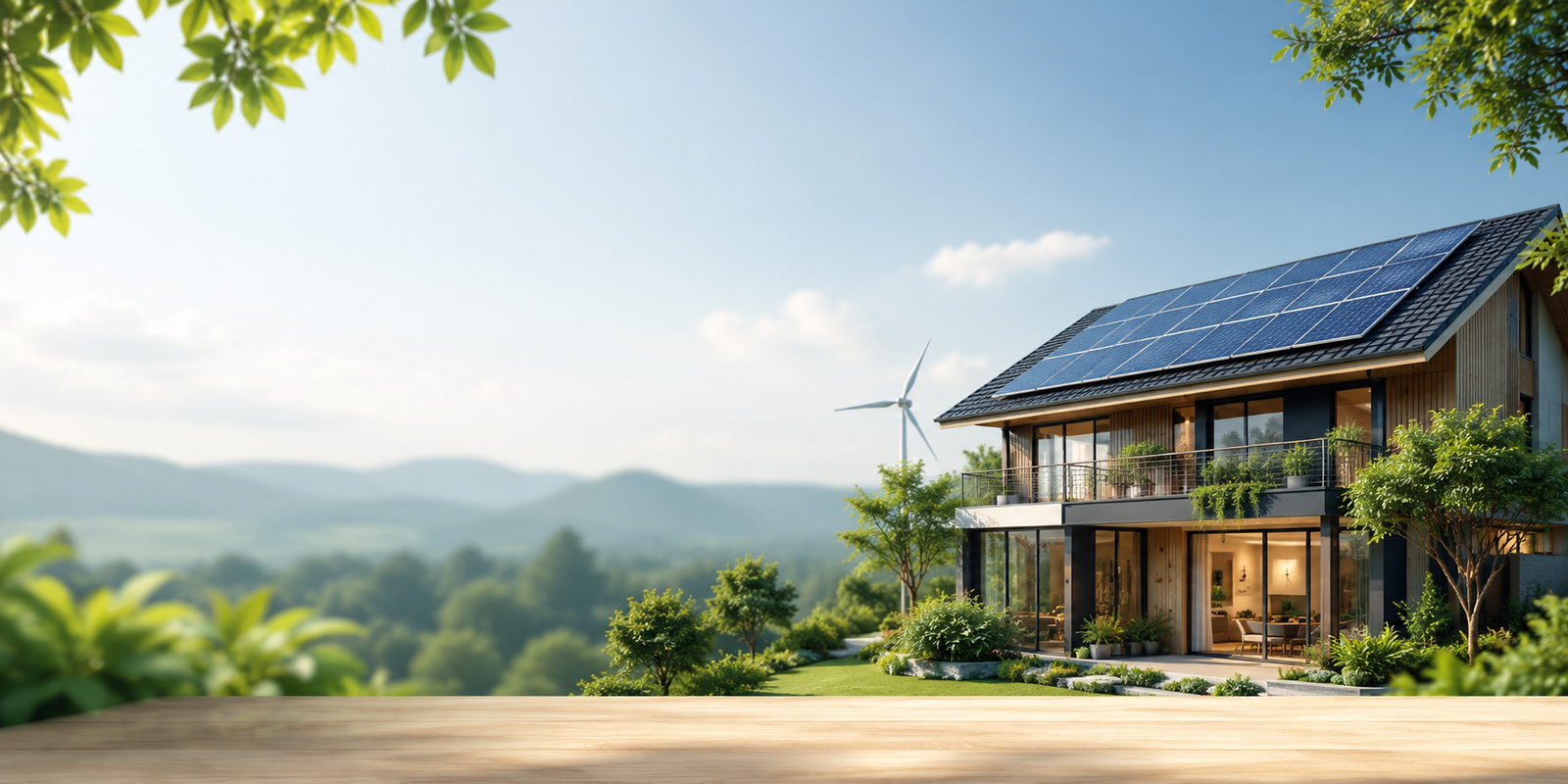
Modern homeowners are increasingly embracing sustainable home design as a way to reduce environmental impact, lower energy costs, and create healthier living spaces. Sustainability is no longer just a trend — it has become an essential part of modern architecture and interior design. From energy-efficient materials to smart home technology, sustainable homes combine functionality, style, and environmental responsibility.
In this blog, we explore the top sustainable home design trends shaping modern living today.
1. Energy-Efficient Home Designs
Energy efficiency remains one of the most important aspects of sustainable living. Modern homes are now designed to consume less electricity while maintaining comfort and convenience.
Popular energy-efficient features include:
- Solar panels for renewable energy
- Double or triple-glazed windows
- LED lighting systems
- Smart thermostats
- High-performance insulation
These upgrades help homeowners reduce utility bills while lowering carbon emissions. Passive house designs are also gaining popularity, using natural ventilation and sunlight to maintain indoor temperatures efficiently.
2. Eco-Friendly Building Materials
Sustainable construction materials are transforming modern home design. Builders and homeowners are moving away from harmful materials and choosing environmentally friendly alternatives.
Common eco-friendly materials include:
- Reclaimed wood
- Bamboo flooring
- Recycled steel
- Cork
- Recycled concrete
- Low-VOC paints
These materials reduce waste, improve indoor air quality, and often last longer than traditional options. Bamboo, for example, is highly renewable and durable, making it a popular flooring choice for sustainable homes.
3. Smart Home Technology for Sustainability
Technology is playing a major role in sustainable modern living. Smart home systems help homeowners monitor and reduce energy usage effectively.
Trending smart home features include:
- Smart lighting automation
- Water-saving smart faucets
- Energy monitoring systems
- Motion-sensor lighting
- Automated blinds and curtains
These systems improve convenience while minimizing energy waste. Smart appliances also optimize electricity and water consumption, helping create more eco-conscious households.
4. Indoor-Outdoor Living Spaces
Modern sustainable homes focus on creating harmony between indoor and outdoor spaces. Large windows, sliding glass doors, and open layouts increase natural light and ventilation.
Outdoor sustainability trends include:
- Native landscaping
- Rainwater harvesting systems
- Vertical gardens
- Outdoor solar lighting
- Green roofs
Using native plants reduces water consumption and maintenance while supporting local ecosystems.
5. Minimalist and Functional Interiors
Minimalism aligns perfectly with sustainable living. Instead of excessive decoration and furniture, homeowners are prioritizing quality, functionality, and long-lasting pieces.
Sustainable minimalist interiors often feature:
- Multi-functional furniture
- Neutral color palettes
- Natural materials
- Decluttered spaces
- Timeless décor
This design approach reduces unnecessary consumption while creating calm and organized living environments.
6. Water Conservation Features
Water-saving solutions are becoming a standard in modern sustainable homes. With increasing awareness about water scarcity, homeowners are adopting systems that reduce water waste.
Popular water-efficient features include:
- Low-flow toilets and showerheads
- Greywater recycling systems
- Rainwater collection tanks
- Drought-resistant landscaping
These additions help conserve water while lowering utility expenses.
7. Sustainable Kitchen Designs
The kitchen is one of the most used spaces in any home, making it a major focus for sustainability improvements.
Modern eco-friendly kitchen trends include:
- Energy-efficient appliances
- Recycled countertops
- Sustainable cabinetry
- Composting systems
- Induction cooktops
Many homeowners are also choosing locally sourced materials to reduce transportation-related environmental impact.
8. Biophilic Design Elements
Biophilic design connects people with nature by incorporating natural elements into living spaces. This trend has become increasingly popular for improving mental well-being and indoor air quality.
Common biophilic features include:
- Indoor plants
- Natural wood textures
- Water features
- Large skylights
- Nature-inspired décor
These elements create healthier, more relaxing living environments while supporting sustainable lifestyles.
9. Tiny Homes and Compact Living
Smaller homes are becoming increasingly popular as people seek more sustainable and affordable lifestyles. Tiny homes use fewer resources, require less energy, and encourage intentional living.
Benefits of compact living include:
- Lower energy consumption
- Reduced maintenance costs
- Less material waste
- Smaller environmental footprint
Modern compact homes are designed with creative storage solutions and multi-purpose spaces to maximize functionality.
10. Sustainable Home Renovations
Many homeowners are choosing to renovate existing homes instead of building new ones. Sustainable renovations help reduce construction waste and preserve existing structures.
Popular green renovation ideas include:
- Upgrading insulation
- Installing solar panels
- Replacing old windows
- Using reclaimed materials
- Improving natural lighting
These renovations enhance home value while making properties more energy-efficient and environmentally responsible.
Final Thoughts
Sustainable home design trends are reshaping modern living by combining style, comfort, and environmental responsibility. Whether through energy-efficient technology, eco-friendly materials, or minimalist interiors, homeowners now have more opportunities than ever to create greener living spaces.
As sustainability continues to influence architecture and interior design, investing in eco-conscious home improvements not only benefits the environment but also improves long-term savings and quality of life. Modern sustainable homes represent the future of smarter, healthier, and more responsible living.
FAQs – Sustainable Home Design Trends for Modern Living
1. What is sustainable home design?
Sustainable home design focuses on creating environmentally friendly living spaces that reduce energy consumption, minimize waste, and use eco-friendly materials while improving comfort and efficiency.
2. Why is sustainable home design important?
Sustainable home design helps lower energy bills, reduce environmental impact, improve indoor air quality, and create healthier living environments for homeowners and families.
3. What are the most popular sustainable home design trends?
Some of the top sustainable home design trends include solar energy systems, smart home technology, eco-friendly building materials, water-saving fixtures, minimalist interiors, and biophilic design elements.
4. How can I make my home more energy-efficient?
You can improve energy efficiency by installing LED lighting, upgrading insulation, using energy-efficient appliances, adding smart thermostats, and installing solar panels.
5. Are sustainable homes more expensive to build?
While some sustainable features may have higher upfront costs, they often provide long-term savings through lower utility bills, reduced maintenance costs, and increased property value.
6. What materials are commonly used in sustainable homes?
Common sustainable materials include reclaimed wood, bamboo, recycled steel, cork, recycled concrete, and low-VOC paints that improve indoor air quality.
7. What is biophilic design in modern homes?
Biophilic design incorporates natural elements like plants, sunlight, natural wood, and water features into interiors to create healthier and more relaxing living spaces.
8. How does smart home technology support sustainability?
Smart home systems help reduce energy and water waste through automation, energy monitoring, smart lighting, motion sensors, and efficient temperature control.
9. Can sustainable design increase home value?
Yes, sustainable upgrades such as solar panels, energy-efficient systems, and eco-friendly renovations can increase property value and attract environmentally conscious buyers.
10. What are the benefits of sustainable living spaces?
Sustainable homes offer lower energy costs, better indoor air quality, reduced environmental impact, improved comfort, and long-term financial savings.