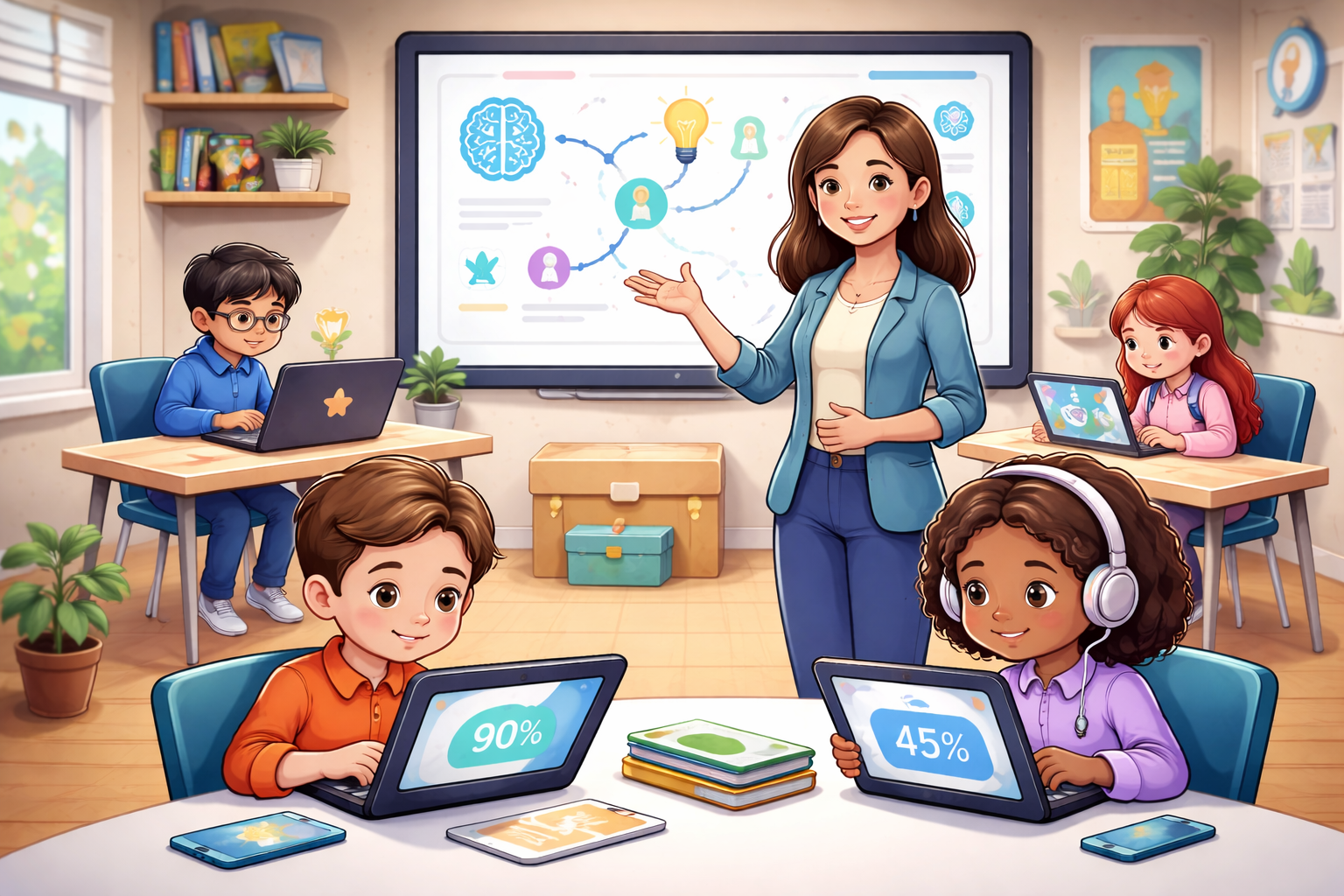
Homeschooling has evolved dramatically over the past decade. Today, technology has transformed home education into an engaging, flexible, and highly personalized learning experience. From interactive learning platforms to virtual classrooms and educational apps, modern families now have access to powerful tools that make homeschooling easier and more effective than ever before.
Whether you are new to homeschooling or looking to improve your current setup, this guide explores how technology can support your child’s education while creating a balanced and productive learning environment.
What Is Technology-Based Homeschooling?
Technology-based homeschooling combines traditional home education with digital tools and online resources. Parents use devices such as laptops, tablets, smartphones, and educational software to teach subjects, track progress, and connect children with virtual learning communities.
This approach allows students to learn at their own pace while accessing high-quality educational materials from anywhere in the world.
Benefits of Homeschooling with Technology
1. Personalized Learning Experience
Every child learns differently. Technology allows parents to customize lessons based on a child’s strengths, interests, and learning speed. Interactive platforms can adapt to the student’s performance, providing additional support where needed.
2. Access to Unlimited Learning Resources
Online education opens the door to thousands of educational videos, eBooks, tutorials, simulations, and virtual field trips. Students can explore topics far beyond traditional textbooks.
3. Flexible Scheduling
Homeschooling with technology gives families the freedom to learn anytime and anywhere. This flexibility is especially helpful for traveling families, working parents, or children involved in sports and creative activities.
4. Improved Engagement
Gamified learning apps, educational games, animations, and quizzes help make learning more enjoyable and interactive. Many children stay more motivated when technology is part of their daily lessons.
5. Better Progress Tracking
Modern homeschooling platforms provide detailed reports, performance analytics, and progress tracking tools. Parents can easily monitor assignments, attendance, and academic growth.
Essential Technology Tools for Homeschooling
Online Learning Platforms
Educational platforms provide structured lessons and complete curriculums for different age groups and subjects. Many include videos, quizzes, worksheets, and live classes.
Popular options include:
- Khan Academy
- Coursera
- Outschool
- Time4Learning
- ABCmouse
Video Conferencing Tools
Virtual classrooms and live tutoring sessions are possible with video communication platforms. These tools help children interact with teachers and classmates remotely.
Common platforms include:
- Zoom
- Google Meet
- Microsoft Teams
Educational Apps
Apps can improve skills in reading, math, coding, science, and languages. Many apps use interactive learning methods to keep students engaged.
Examples include:
- Duolingo
- Prodigy Math
- Scratch
- Photomath
- Quizlet
Digital Libraries and eBooks
Digital libraries provide instant access to educational books, research materials, and audiobooks. This reduces the need for physical textbooks and makes learning more convenient.
Productivity and Organization Tools
Parents can organize schedules, assignments, and lesson plans using digital productivity tools such as:
- Google Classroom
- Notion
- Trello
- Evernote
Setting Up an Effective Homeschooling Space
Technology works best when paired with a comfortable and organized learning environment.
Create a Dedicated Learning Area
Choose a quiet and distraction-free space with proper lighting and seating. A dedicated workspace helps children focus and develop consistent study habits.
Ensure Reliable Internet Access
Stable internet is essential for online classes, educational videos, and research activities. Consider a backup connection if homeschooling heavily depends on online learning.
Use Child-Friendly Devices
Select devices appropriate for your child’s age and educational needs. Tablets are ideal for younger learners, while older students may benefit from laptops or desktop computers.
Prioritize Online Safety
Install parental controls, use safe search settings, and teach children about internet safety and digital responsibility.
Balancing Screen Time and Offline Activities
While technology offers many advantages, maintaining balance is important. Too much screen time can affect physical activity, sleep, and social interaction.
Parents should include:
- Outdoor activities
- Hands-on experiments
- Reading physical books
- Art and creative projects
- Family discussions
- Exercise and sports
A balanced routine creates healthier learning habits and supports overall development.
Tips for Successful Technology-Based Homeschooling
Build a Daily Routine
A structured schedule helps children stay disciplined and productive. Include breaks, exercise, and recreational time throughout the day.
Encourage Independent Learning
Teach children how to research information, solve problems, and manage assignments independently using digital resources.
Stay Involved
Technology should support learning, not replace parental guidance. Regularly review lessons, monitor progress, and communicate with your child about their learning experience.
Join Online Homeschooling Communities
Online groups and forums help parents exchange ideas, find resources, and connect with other homeschooling families.
Keep Technology Updated
Regular software updates improve security, performance, and access to the latest educational features.
Challenges of Homeschooling with Technology
Despite its advantages, technology-based homeschooling also has challenges.
Distractions
Games, social media, and entertainment apps can reduce focus. Parents should establish clear rules for device usage.
Technical Issues
Internet outages and software problems can interrupt lessons. Having backup learning materials is helpful.
Learning Curve for Parents
Some parents may need time to understand educational platforms and digital tools. Fortunately, many resources offer tutorials and support.
The Future of Homeschooling
Technology continues to reshape education through artificial intelligence, virtual reality, and adaptive learning systems. Future homeschooling experiences may include immersive virtual classrooms, AI tutors, and highly personalized learning paths.
As digital education expands, homeschooling is becoming a practical and effective option for more families worldwide.
Final Thoughts
Homeschooling with technology offers modern families flexibility, creativity, and access to endless educational opportunities. With the right tools, balanced routines, and active parental involvement, children can receive a high-quality education tailored to their individual needs.
By combining technology with real-world experiences and meaningful family interaction, homeschooling can become a rewarding journey that prepares children for lifelong learning and success.