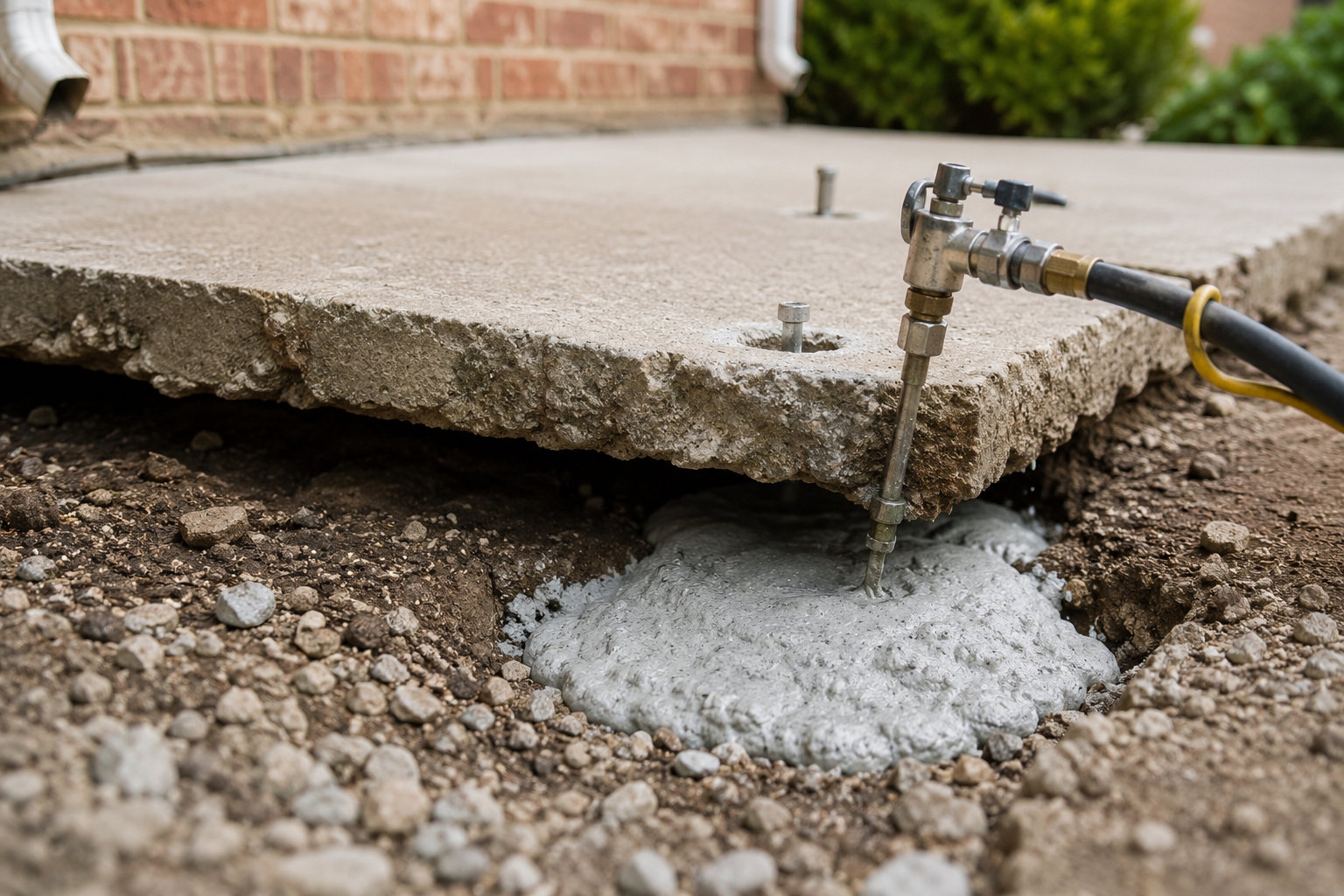
Slab jacking is a popular foundation repair method used to lift and level sunken concrete surfaces. It is commonly applied to driveways, sidewalks, patios, garage floors, and even building foundations. The process involves pumping a stabilizing material beneath the concrete slab to raise it back to its original position.
While slab jacking is an effective and cost-efficient repair solution, there are certain issues homeowners and property managers may encounter if the underlying problems are not properly addressed. Understanding these common slab jacking issues can help you maintain your property and avoid costly future repairs.
What Is Slab Jacking?
Slab jacking, also known as mudjacking or concrete lifting, is a process used to repair uneven or sunken concrete. During the procedure, small holes are drilled into the slab, and a mixture of materials is injected underneath to fill voids and lift the concrete.
This method is often preferred because it is less invasive and more affordable than complete concrete replacement.
Why Concrete Slabs Sink
Before discussing the common issues with slab jacking, it’s important to understand why concrete slabs sink in the first place. Some of the most common causes include:
- Soil erosion beneath the slab
- Poor soil compaction
- Water drainage problems
- Heavy loads on the concrete
- Expanding and shrinking soil conditions
- Natural settling over time
If these root causes are not fixed, slab jacking repairs may not last as long as expected.
Common Issues With Slab Jacking
Incomplete Void Filling
One of the most common slab jacking problems occurs when the material injected beneath the slab does not completely fill the empty spaces. If voids remain under the concrete, the slab may continue to shift or settle over time.
Proper inspection and professional application are essential to ensure full stabilization beneath the slab.
Recurring Settlement
Slab jacking can lift concrete effectively, but recurring settlement may happen if the underlying soil remains unstable. Weak or water-damaged soil can continue to compress, causing the slab to sink again after repairs.
This issue is particularly common in areas with poor drainage or expansive clay soil.
Poor Drainage Problems
Water is one of the biggest threats to concrete stability. If drainage issues around the property are not corrected, water can wash away supporting soil beneath the slab.
Signs of drainage-related issues include:
- Pooling water near concrete surfaces
- Soil erosion around foundations
- Cracks forming after heavy rain
- Uneven concrete reappearing over time
Addressing drainage problems is crucial for long-lasting slab jacking results.
Cracking During Lifting
In some situations, concrete slabs may crack during the lifting process. Older or heavily damaged concrete is more vulnerable to stress when pressure is applied beneath the slab.
Although professionals use controlled lifting techniques, existing structural weaknesses can still lead to additional cracking.
Uneven Lifting
Improper slab jacking application can result in uneven lifting. If too much material is injected into one area, the slab may rise unevenly, creating new alignment problems.
Experienced contractors use specialized equipment and monitoring techniques to ensure balanced lifting across the entire slab.
Material Washout
Traditional mudjacking materials can sometimes wash out if exposed to excessive groundwater or poor drainage conditions. When this happens, the support beneath the slab weakens, leading to future sinking or instability.
Modern polyurethane foam injection methods are often more resistant to water-related issues.
Visible Drill Holes
Slab jacking requires small holes to be drilled into the concrete surface. While these holes are patched after the repair, they may still remain slightly visible depending on the slab’s finish and colour.
Although this is mainly a cosmetic issue, some homeowners may prefer alternative repair methods for decorative concrete surfaces.
Limited Effectiveness for Severely Damaged Concrete
Slab jacking works best on structurally sound concrete slabs. If the concrete is severely cracked, broken, or deteriorated, lifting alone may not solve the problem.
In these cases, full concrete replacement may be the better long-term solution.
Signs You May Need Slab Jacking
Homeowners should watch for warning signs that indicate sinking or uneven concrete, including:
- Uneven sidewalks or driveways
- Cracks in concrete surfaces
- Pooling water near slabs
- Gaps beneath concrete edges
- Sunken patios or garage floors
- Trip hazards around walkways
Early repairs can prevent more serious foundation or structural problems.
How to Prevent Slab Jacking Problems
While slab jacking is effective, preventative maintenance plays an important role in ensuring lasting results.
Improve Drainage
Ensure gutters, downspouts, and drainage systems direct water away from concrete surfaces and foundations.
Maintain Soil Stability
Avoid excessive soil erosion around the property by maintaining landscaping and grading properly.
Address Plumbing Leaks
Underground plumbing leaks can wash away supporting soil beneath slabs. Prompt leak repairs help protect concrete stability.
Hire Experienced Contractors
Professional slab jacking contractors have the tools, expertise, and knowledge needed to diagnose problems accurately and perform safe lifting procedures.
Slab Jacking vs Concrete Replacement
Many homeowners wonder whether slab jacking or full replacement is the better option. The answer depends on the condition of the concrete.
Slab Jacking Advantages
- More affordable than replacement
- Faster repair process
- Minimal disruption
- Environmentally friendly
- Extends concrete lifespan
Concrete Replacement Advantages
- Best for severely damaged slabs
- Provides a completely new surface
- Suitable for major structural issues
A professional inspection can help determine the most suitable repair method.
Final Thoughts
Slab jacking is an effective solution for lifting and leveling sunken concrete surfaces, but it is not without potential challenges. Issues such as recurring settlement, drainage problems, cracking, and incomplete stabilization can affect the long-term performance of the repair if underlying causes are ignored.
Understanding the common issues with slab jacking helps homeowners make informed decisions and maintain safer, more stable concrete surfaces. By addressing soil conditions, drainage concerns, and working with experienced professionals, property owners can maximize the lifespan and effectiveness of slab jacking repairs.