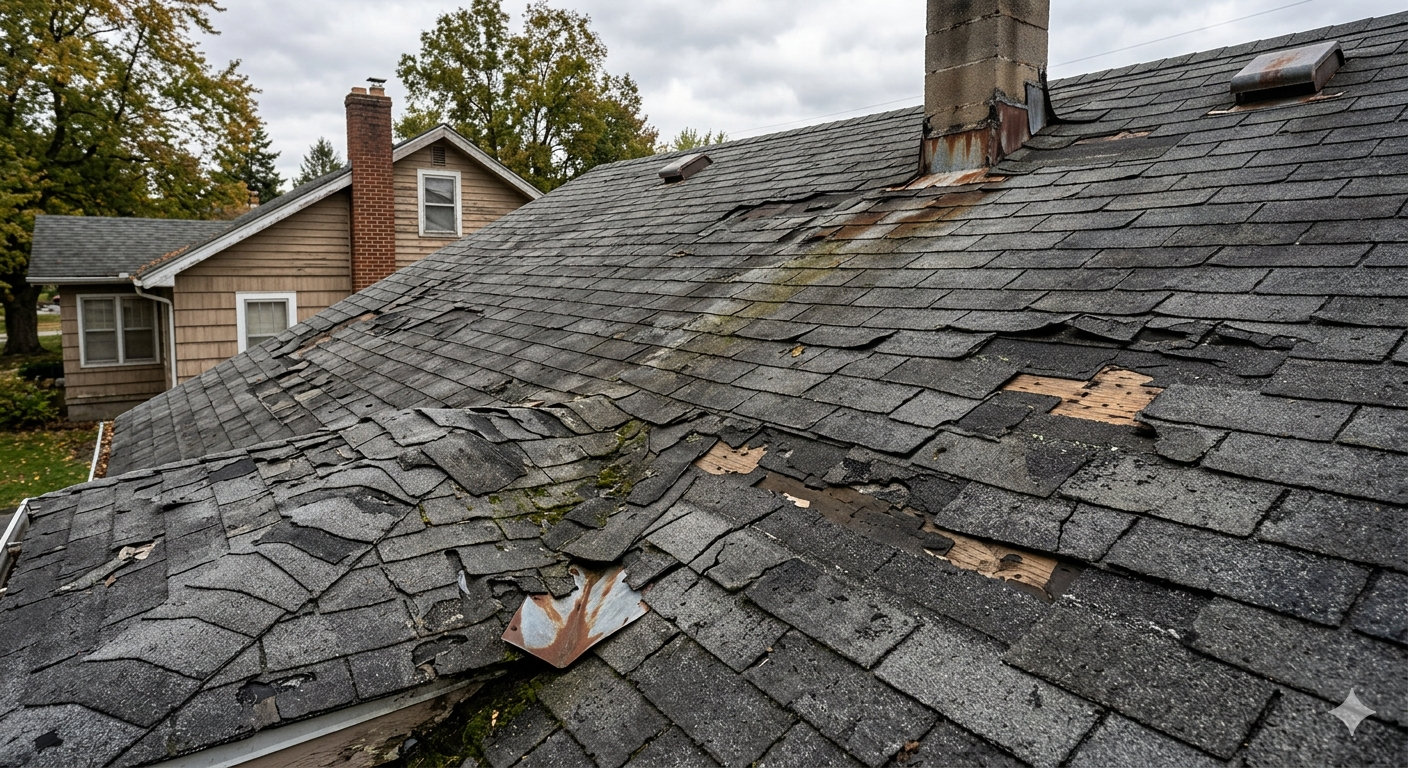
Your roof is one of the most important parts of your home, protecting your property from rain, wind, heat, and other weather conditions. Over time, shingles can wear out due to aging, storms, and constant exposure to the elements. Recognizing the early signs of shingle damage can help you avoid expensive repairs and structural issues.
Here are the most common signs you need shingle replacement and why acting quickly is important.
Missing Shingles
One of the clearest signs that your roof needs attention is missing shingles. Strong winds, heavy rain, and storms can loosen or completely remove shingles from your roof.
Missing shingles expose the underlayment and roof deck to moisture, increasing the risk of leaks and water damage. Replacing damaged shingles early can prevent larger roofing problems.
Curling or Buckling Shingles
Shingles that curl at the edges or appear warped are usually a sign of aging or moisture issues. Curling shingles no longer provide proper protection against water infiltration.
Buckling can occur due to poor ventilation, improper installation, or long-term exposure to heat. If multiple shingles are curling or buckling, it may be time for a full shingle replacement.
Cracked or Broken Shingles
Cracks in shingles often develop after years of weather exposure or sudden temperature changes. Asphalt shingles can become brittle over time, making them more likely to crack during storms or high winds.
Broken shingles reduce your roof’s ability to protect your home and should be replaced promptly.
Granules in Gutters
If you notice shingle granules collecting in your gutters or downspouts, your roof may be nearing the end of its lifespan.
Granules help protect shingles from UV rays and harsh weather. Excessive granule loss weakens shingles and makes them more vulnerable to damage.
Roof Leaks and Water Damage
Water stains on ceilings or walls are often signs of roofing problems. Damaged shingles can allow moisture to seep into your home, leading to leaks, mold growth, and structural damage.
Even small leaks can become serious if ignored, making immediate inspection and shingle replacement essential.
Sagging Roof Areas
A sagging roof may indicate trapped moisture or underlying structural issues caused by damaged shingles and prolonged water exposure.
This is a serious warning sign that should be inspected by roofing professionals as soon as possible.
Moss or Algae Growth
Moss and algae growth can trap moisture on your roof, causing shingles to deteriorate faster.
While some growth may appear harmless, excessive moss can lift shingles and weaken the roofing system over time.
Your Roof Is Getting Old
Most asphalt shingle roofs last between 20 to 30 years, depending on the material quality and weather conditions.
If your roof is approaching the end of its expected lifespan, scheduling a professional inspection can help determine whether replacement is necessary.
Rising Energy Bills
Damaged or aging shingles can reduce your roof’s insulation performance, making it harder to maintain indoor temperatures.
Poor roofing efficiency often leads to higher heating and cooling costs throughout the year.
Storm Damage
Severe weather such as hailstorms, strong winds, or heavy rain can damage shingles instantly.
After major storms, it’s important to inspect your roof for visible damage, loose shingles, or debris impact.
Why Timely Shingle Replacement Matters
Ignoring damaged shingles can lead to:
- Interior water damage
- Mold and mildew growth
- Higher repair costs
- Reduced property value
- Structural roof damage
Replacing shingles on time helps maintain the safety, efficiency, and appearance of your home.
Final Thoughts
Understanding the signs you need shingle replacement can help you avoid costly roofing problems and protect your property for years to come. If you notice missing shingles, leaks, granule loss, or visible roof damage, contacting a professional roofing contractor is the best next step.
Regular inspections and prompt repairs can extend the life of your roof while ensuring your home remains safe and weather-resistant.