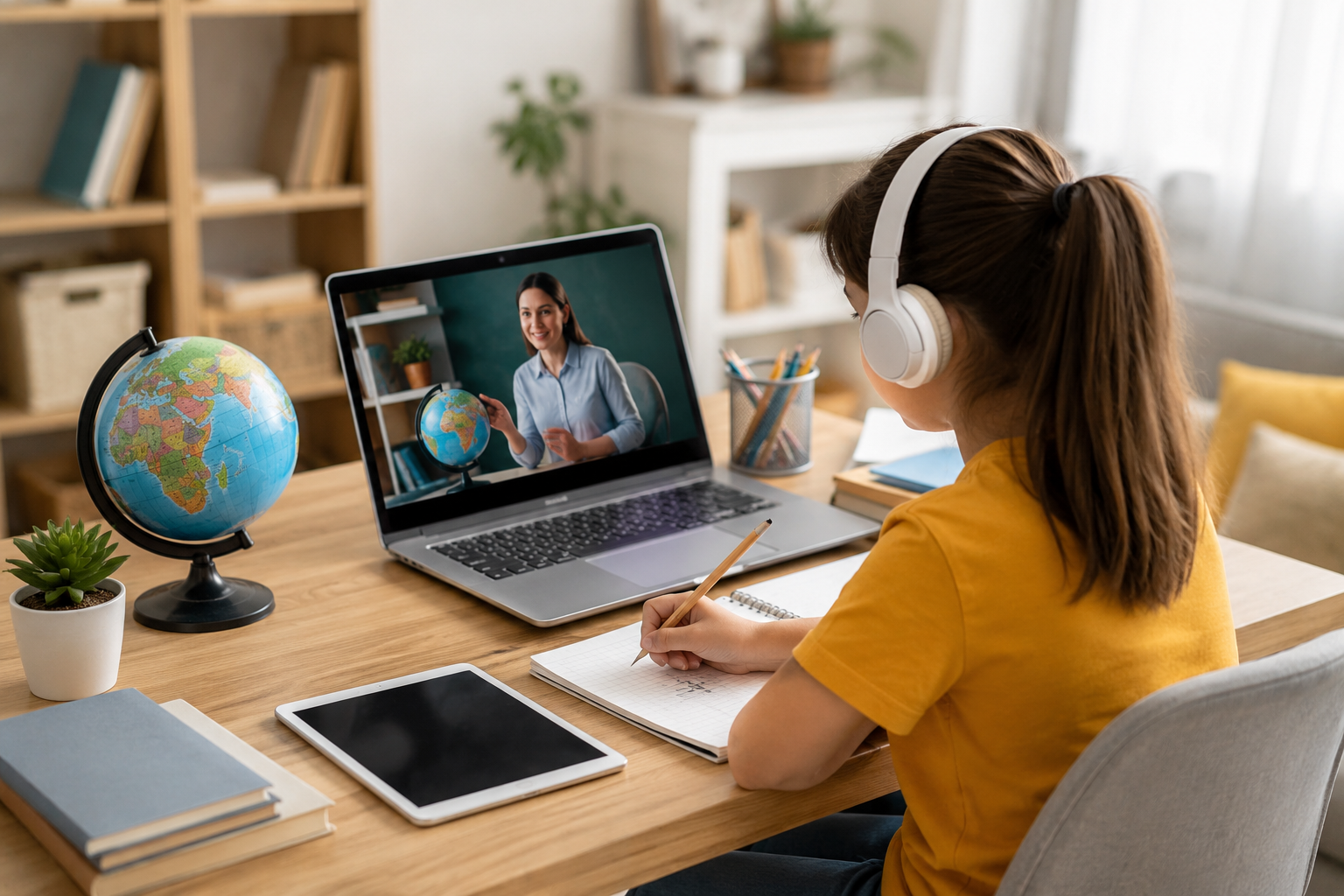
Education has never been a one-size-fits-all system—yet for decades, it has been delivered as if it were. In every classroom, there are students who grasp concepts quickly and others who need more time, practice, and different methods. Labeling them as “fast” or “slow” learners often oversimplifies a deeper truth: every learner is unique. The real challenge—and opportunity—is designing an education system that adapts to these differences rather than ignoring them.
Understanding the Learning Spectrum
“Fast learners” are typically those who process information quickly, make connections easily, and require less repetition. On the other hand, “slow learners” may need more time to understand concepts, benefit from repetition, and often require alternative explanations.
However, speed does not define intelligence or potential. Many slow learners excel in creativity, critical thinking, or practical application, while fast learners may sometimes struggle with depth or patience. Recognizing this diversity is the first step toward building a smarter education system.
What Is Smart (Adaptive) Education?
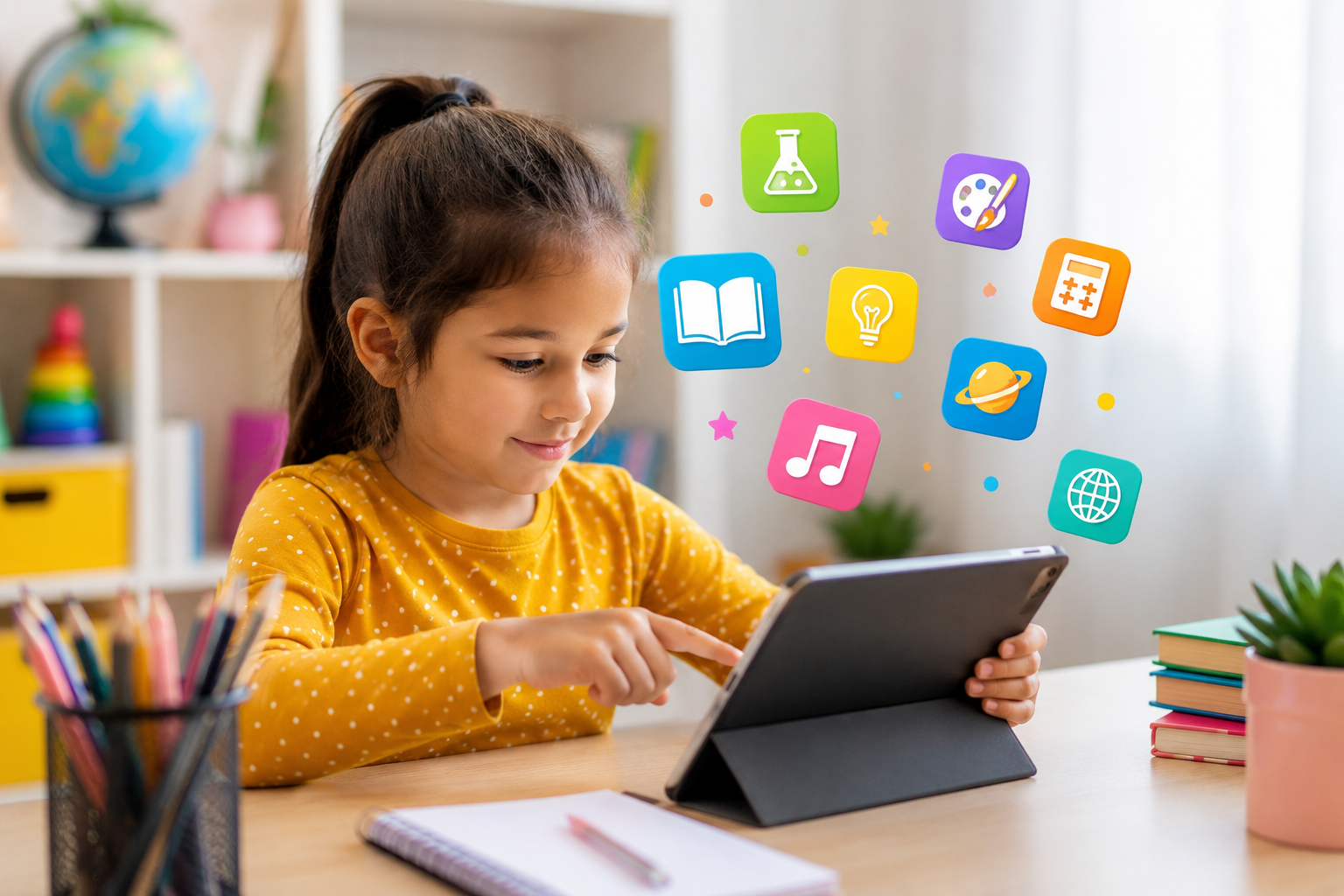
Smart education refers to the use of technology, data, and flexible teaching methods to personalize learning experiences. At its core is adaptive learning—an approach that adjusts content, pace, and teaching style based on each student’s needs, performance, and progress.
Instead of forcing all students to move at the same speed, adaptive systems:
- Provide additional support where needed
- Offer advanced material to those ready for it
- Continuously assess and adjust learning pathways
How Adaptive Learning Supports Both Types of Learners
1. Personalized Learning Paths
Adaptive platforms analyze how a student learns and tailor lessons accordingly. A fast learner can move ahead without waiting, while a slow learner can revisit concepts until they gain confidence.
2. Flexible Pace
Traditional classrooms often rush some students and bore others. Adaptive learning removes this pressure by allowing:
- Fast learners to accelerate
- Slow learners to learn without stress or comparison
3. Immediate Feedback
Students receive real-time feedback, helping them identify mistakes early. This is especially valuable for slow learners who benefit from guidance, and for fast learners who want to refine their understanding quickly.
4. Multi-Modal Learning
Not all students learn best through textbooks. Smart education incorporates videos, interactive simulations, quizzes, and hands-on activities, ensuring that different learning styles are supported.
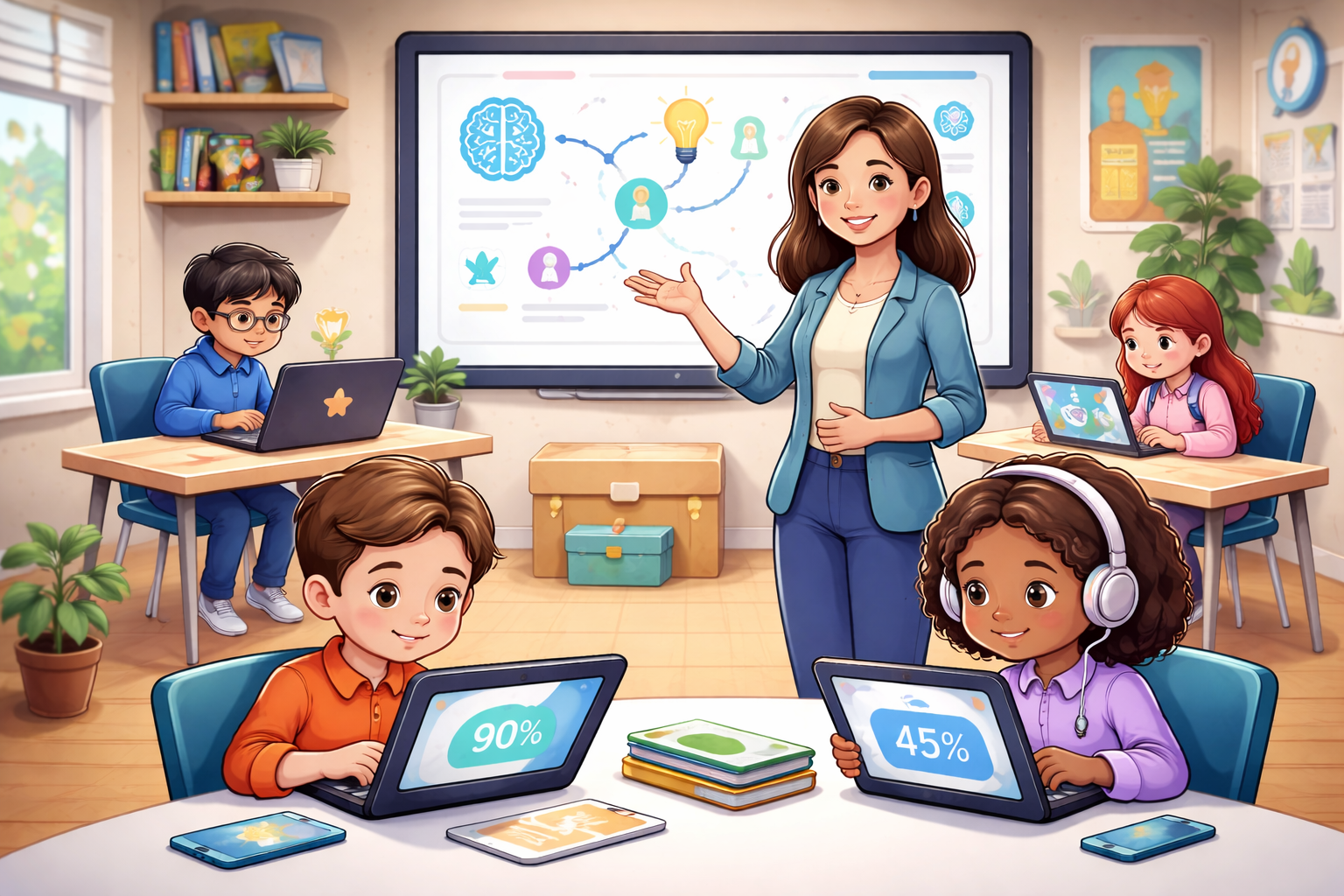
5. Data-Driven Insights for Teachers
Teachers gain insights into student performance, enabling them to:
- Identify struggling students early
- Challenge advanced learners appropriately
- Offer targeted interventions
Role of Teachers in Smart Education
Technology enhances education, but it does not replace teachers. Instead, it transforms their role from information providers to facilitators and mentors. Teachers can focus more on:
- Individual attention
- Emotional and social development
- Encouraging curiosity and critical thinking
Benefits of an Adaptive Learning Approach
- Inclusivity: Every student gets a fair chance to succeed
- Improved Engagement: Lessons feel relevant and achievable
- Better Outcomes: Students learn more effectively at their own pace
- Reduced Stress: Less comparison and pressure among peers
Challenges to Implementation
While promising, adaptive learning comes with challenges:
- Access to technology and digital infrastructure
- Training teachers to use new tools effectively
- Ensuring data privacy and ethical use
- Avoiding over-reliance on automation
Addressing these challenges is essential to make smart education accessible and equitable.
The Future of Learning
The future of education lies in flexibility, personalization, and inclusivity. By embracing adaptive learning, we move away from rigid systems and toward a model that respects individual differences.
In such a system, there are no “slow” or “fast” learners—only learners on their own unique journeys.
Conclusion
Smart education is not just about using technology; it’s about rethinking how learning happens. An adaptive approach ensures that every student—regardless of pace—receives the support and challenge they need to thrive.
When education adapts to the learner, instead of the learner struggling to adapt to education, true learning begins.