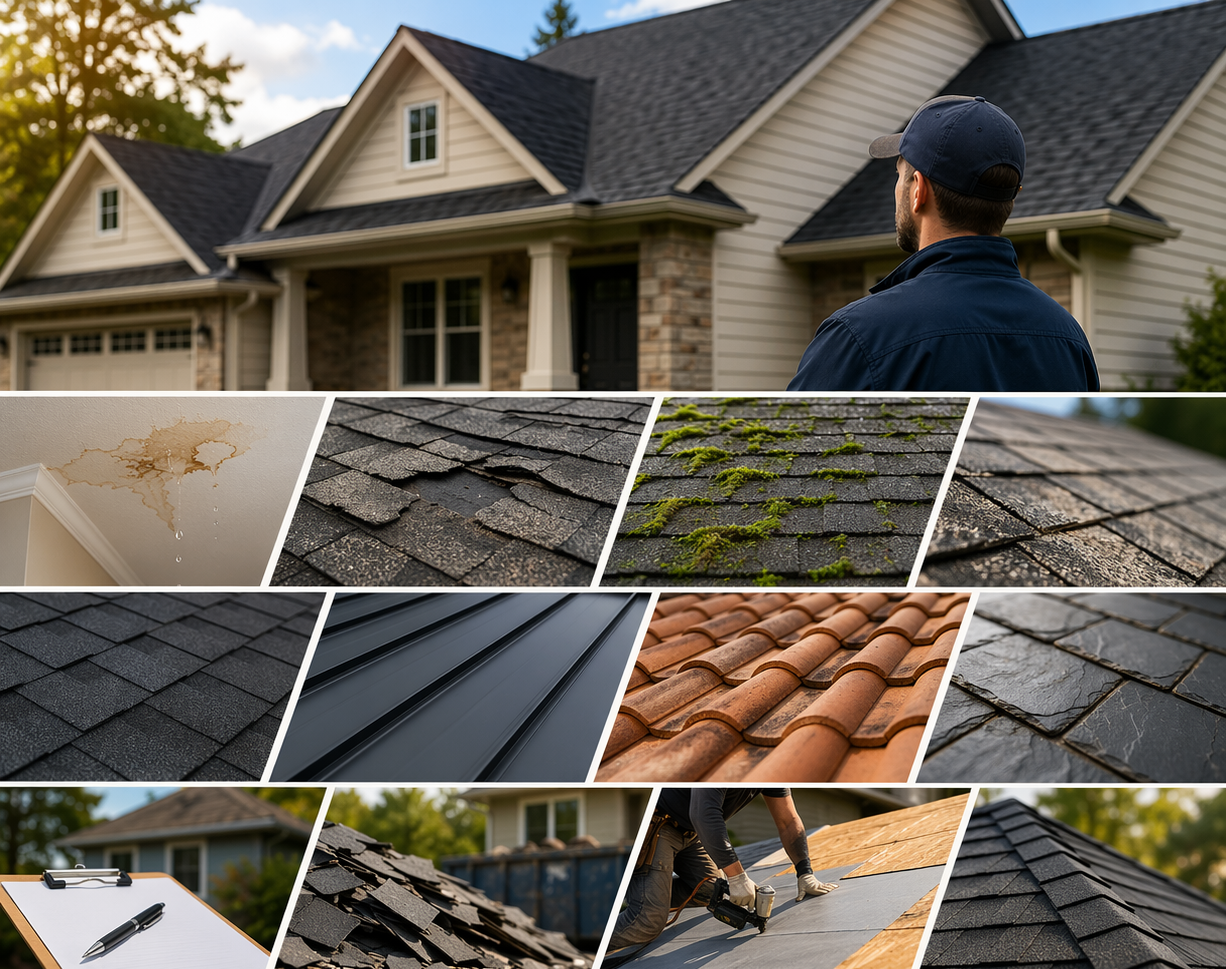
A roof is one of the most important parts of any home, yet it’s often overlooked until problems start to appear. Whether it’s due to age, weather damage, or simply time for an upgrade, roof replacement is a significant investment that protects your home, improves energy efficiency, and enhances overall property value.
When Is It Time to Replace Your Roof?
Knowing when to replace your roof can save you from costly repairs later. Some clear signs include:
- Frequent leaks or water damage inside your home
- Missing, cracked, or curling shingles
- Sagging roof areas, which may indicate structural issues
- Moss or algae growth, especially in humid climates
- A roof older than 20–25 years, depending on the material
If you notice any of these signs, it may be more cost-effective to replace the roof rather than continue patch repairs.
Types of Roofing Materials
Choosing the right material is a key part of the roof replacement process. Each option has its own benefits:
- Asphalt Shingles: Affordable, durable, and widely used. Ideal for most residential homes.
- Metal Roofing: Long-lasting and energy-efficient, with excellent resistance to extreme weather.
- Clay or Concrete Tiles: Stylish and durable, often used in warmer climates.
- Slate Roofing: Premium option with exceptional longevity and aesthetic appeal.
- Wood Shingles or Shakes: Natural look but require more maintenance.
Your choice will depend on your budget, climate, and design preference.
The Roof Replacement Process
Understanding the process can help you feel more prepared:
- Inspection and Estimate: A professional evaluates the current condition and provides a cost estimate.
- Material Selection: You choose the type and style of roofing material.
- Removal of Old Roof: Existing shingles or materials are stripped away.
- Repairs and Preparation: Any structural damage is fixed before installation.
- Installation of New Roof: New materials are installed carefully to ensure durability.
- Final Inspection and Cleanup: The contractor ensures everything is secure and cleans up debris.
The entire process usually takes a few days, depending on the size of the roof and weather conditions.
Cost of Roof Replacement
Roof replacement costs vary widely based on factors such as:
- Size and slope of the roof
- Type of materials used
- Labor charges in your area
- Extent of underlying damage
On average, homeowners can expect to spend anywhere from moderate to high amounts, but it’s important to view it as a long-term investment in your home’s safety and value.
Benefits of Replacing Your Roof
A new roof offers several advantages beyond just fixing leaks:
- Improved Energy Efficiency: Modern materials help regulate indoor temperature.
- Enhanced Curb Appeal: A new roof can dramatically improve your home’s appearance.
- Increased Property Value: Buyers are more attracted to homes with recently replaced roofs.
- Better Protection: Keeps your home safe from harsh weather conditions.
Tips for a Successful Roof Replacement
- Hire a licensed and experienced contractor
- Check warranties on materials and labor
- Plan during favorable weather conditions
- Set a realistic budget with a contingency for unexpected repairs
Final Thoughts
Roof replacement may seem like a big task, but it’s an essential part of maintaining a safe and comfortable home. By understanding the signs, materials, and process, you can make informed decisions and ensure your investment lasts for years to come. A strong, well-installed roof not only protects your home but also gives you peace of mind in every season.