Author: Lynn Morre

  • Metal Roofing: A Complete Guide for Modern Homes

    Metal Roofing: A Complete Guide for Modern Homes

    Metal roofing has rapidly grown in popularity among homeowners—and for good reason. Known for its durability, energy efficiency, and sleek appearance, metal roofing is no longer just for industrial buildings. Today, it’s a stylish and practical choice for residential properties across a wide range of climates.

    What Is Metal Roofing?

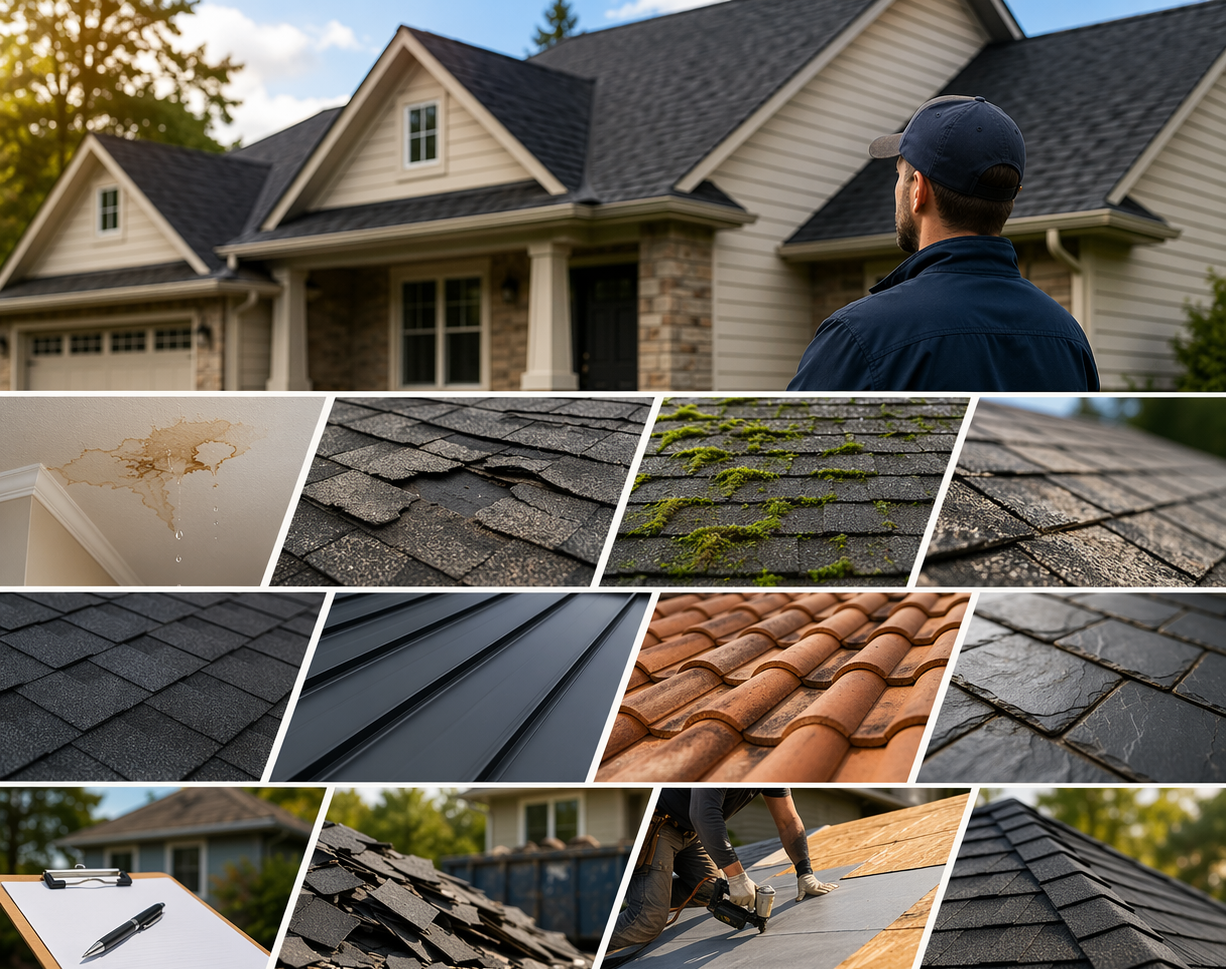
    Metal roofing is made from materials like steel, aluminum, zinc, or copper. These roofs come in various styles, including panels, shingles, and tiles, designed to mimic traditional roofing materials while offering superior performance.

    Types of Metal Roofing

    1. Standing Seam Metal Roof

    This is one of the most popular options. It features vertical panels with raised seams that lock together, providing excellent protection against water leaks.

    2. Metal Shingles

    Designed to resemble asphalt shingles, wood shakes, or slate, metal shingles combine aesthetics with durability.

    3. Corrugated Metal Roofing

    Recognizable by its wavy pattern, this type is often more affordable and commonly used for both residential and agricultural buildings.

    4. Stone-Coated Metal Roofing

    These roofs have a metal base with a stone coating, offering the look of traditional tiles with added strength.

    Benefits of Metal Roofing

    Long Lifespan

    Metal roofs can last 40 to 70 years, far longer than traditional asphalt shingles.

    Durability

    They are resistant to harsh weather conditions, including heavy rain, strong winds, and even hail.

    Energy Efficiency

    Metal reflects solar heat, which can reduce cooling costs by up to 20–30% in hot climates.

    Low Maintenance

    Unlike other materials, metal roofs require minimal upkeep and are less prone to cracking or shrinking.

    Eco-Friendly

    Most metal roofing materials are recyclable and often made from recycled content.

    Cost of Metal Roofing

    While metal roofing offers long-term value, the upfront cost is higher than traditional options:

    • Average cost (USA): $8,000 – $25,000+
    • Per square foot: $8 – $14 (depending on material and installation)

    Though the initial investment is higher, the durability and energy savings can offset the cost over time.

    Potential Drawbacks

    Higher Initial Cost

    Metal roofs are more expensive upfront compared to asphalt shingles.

    Noise

    Rain or hail can be louder on metal roofs, though proper insulation can reduce noise.

    Expansion and Contraction

    Metal expands and contracts with temperature changes, requiring proper installation to avoid issues.

    Is Metal Roofing Right for You?

    Metal roofing is ideal if you:

    • Plan to stay in your home long-term
    • Want a durable, weather-resistant roof
    • Live in areas with extreme weather conditions
    • Prefer low maintenance and energy efficiency

    However, if you’re on a tight budget, traditional roofing materials may be a better short-term option.

    Maintenance Tips for Metal Roofs

    • Inspect annually for loose fasteners or panels
    • Keep gutters clean to prevent water buildup
    • Remove debris like leaves and branches
    • Check for scratches or coating damage

    Final Thoughts

    Metal roofing is a smart investment for homeowners looking for longevity, efficiency, and modern design. While the upfront cost may be higher, its durability and low maintenance make it a cost-effective choice in the long run.

    If you’re considering upgrading your roof, metal roofing offers a balance of style and strength that’s hard to beat.
  • Roof Replacement Texas Cost: What to Expect and How to Budget

    Roof Replacement Texas Cost: What to Expect and How to Budget

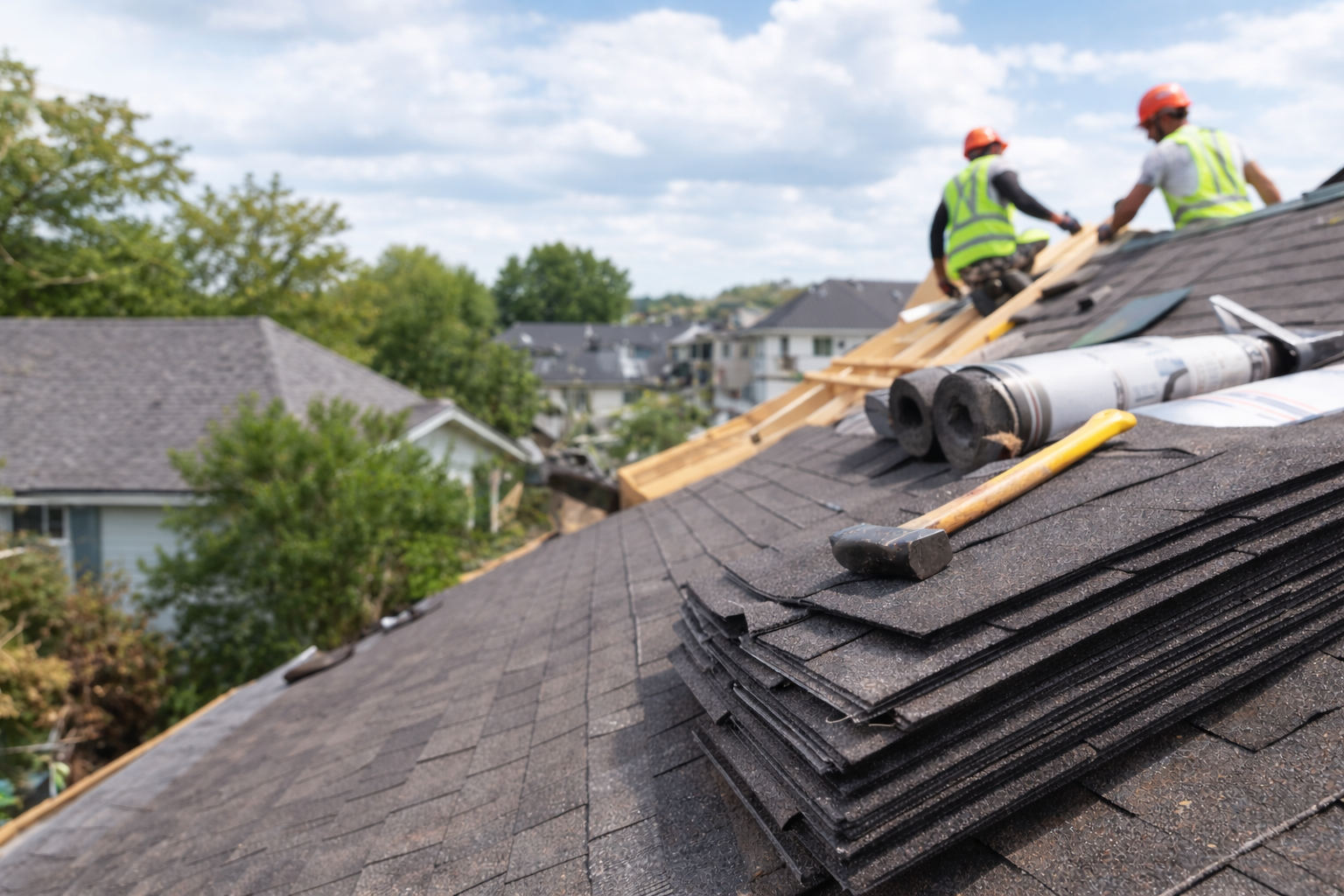
    Replacing a roof is one of the most important—and expensive—home improvement projects you’ll face as a homeowner. Whether your roof is aging, damaged, or simply due for an upgrade, understanding the costs involved can help you plan wisely and avoid surprises.

    Average Roof Replacement Cost

    Roof replacement costs in Texas vary based on home size, materials, and location, but you can expect the following realistic 2026 pricing ranges:

    Average Total Cost

    • Typical range: $8,000 – $20,000 for most homes
    • National-style estimate (Texas): around $7,500 average for a standard home
    • Large or premium roofs: can exceed $30,000+

    ost Per Square Foot (Texas)

    • Basic shingles: $3 – $4.50 per sq. ft.
    • Architectural shingles (most common): $4 – $6 per sq. ft.
    • Metal roofing: $8 – $14 per sq. ft.
    • Premium materials (tile, slate, copper): up to $15 – $30 per sq. ft.

    Roofing contractors also measure in “squares” (100 sq ft):

    • $350 – $800 per square for shingles
    • $900 – $1,600 per square for metal

    Cost by Home Size (Texas Estimates)

    Roof SizeAverage Cost
    1,000 sq ft$4,000 – $7,500
    1,500 sq ft$6,000 – $11,250
    2,000 sq ft$8,000 – $15,000
    2,500 sq ft$10,000 – $18,750
    3,000 sq ft$12,000 – $22,500+

    Cost by Major Texas Cities

    • Dallas / Fort Worth: $12,000 – $18,000
    • Houston: $11,000 – $17,000
    • Austin: $13,000 – $20,000
    • San Antonio: $10,000 – $16,000

    Prices are higher in metro areas due to labor demand and material costs.

    Key Factors That Affect Cost

    1. Material choice – biggest price driver
    2. Roof size & complexity – more slopes = higher labor
    3. Tear-off costs – adds $1–$2 per sq. ft.
    4. Labor rates – vary by city
    5. Permits – typically $50 – $300 in Texas
    6. Weather durability needs – hail-resistant roofs cost more but save on insurance

    Texas-Specific Cost Considerations

    • Hailstorms & heat increase wear, so stronger materials are common
    • Impact-resistant shingles cost more but may reduce insurance premiums
    • Large roof sizes (common in Texas homes) increase total costs by 15–30%

    Key Factors That Affect Cost

    1. Material choice – biggest price driver
    2. Roof size & complexity – more slopes = higher labor
    3. Tear-off costs – adds $1–$2 per sq. ft.
    4. Labor rates – vary by city
    5. Permits – typically $50 – $300 in Texas
    6. Weather durability needs – hail-resistant roofs cost more but save on insurance

    Final Takeaway

    For most Texas homeowners in 2026:

    • Budget $8,000 to $15,000 for a standard roof
    • Expect $15,000 to $25,000+ for larger or premium roofs

    Key Factors That Affect Roof Replacement Cost

    1. Roof Size and Complexity

    The larger your roof, the more materials and labor are required. Complex designs with slopes, valleys, or multiple levels increase installation difficulty and cost.

    2. Roofing Materials

    Material choice is one of the biggest cost drivers:

    • Asphalt shingles: Affordable and widely used
    • Metal roofing: Durable but more expensive
    • Clay tiles: Premium look with higher cost
    • Concrete tiles: Long-lasting but heavy
    • Slate roofing: Luxury option with the highest price tag

    Each material differs in lifespan, maintenance, and appearance.

    3. Labor Costs

    Labor charges vary based on location and contractor expertise. Skilled labor may cost more upfront but ensures quality installation and long-term savings.

    4. Removal of Old Roof

    If your existing roof needs to be removed, disposal and labor costs will add to the total. Some projects allow for overlaying new shingles, but this isn’t always recommended.

    5. Structural Repairs

    Hidden damage like rotting wood, leaks, or mold can increase costs once the old roof is removed. It’s wise to budget for unexpected repairs.

    6. Permits and Regulations

    Depending on your city, you may need permits for roof replacement, which can add to the overall expense.

    Cost Breakdown Example

    Here’s a rough estimate for a standard home:

    • Materials: 50–60% of total cost
    • Labor: 30–40%
    • Miscellaneous (permits, disposal): 10–15%

    How to Save Money on Roof Replacement

    • Get multiple quotes: Compare at least 3 contractors
    • Choose the right season: Off-season work may be cheaper
    • Use durable materials: Higher upfront cost can mean fewer repairs later
    • Check warranties: Ensure both material and workmanship are covered

    When Should You Replace Your Roof?

    You might need a replacement if you notice:

    • Frequent leaks
    • Missing or damaged shingles
    • Sagging areas
    • Mold or water damage
    • Roof age exceeding 20–30 years

    Ignoring these signs can lead to more expensive structural issues.

    Final Thoughts

    Roof replacement is a significant investment, but it’s essential for protecting your home and maintaining its value. By understanding the cost factors and planning ahead, you can make informed decisions that balance quality and budget.

    If you’re considering a roof replacement, start by assessing your needs, setting a realistic budget, and consulting experienced professionals. A well-installed roof isn’t just an expense—it’s long-term protection for your home.

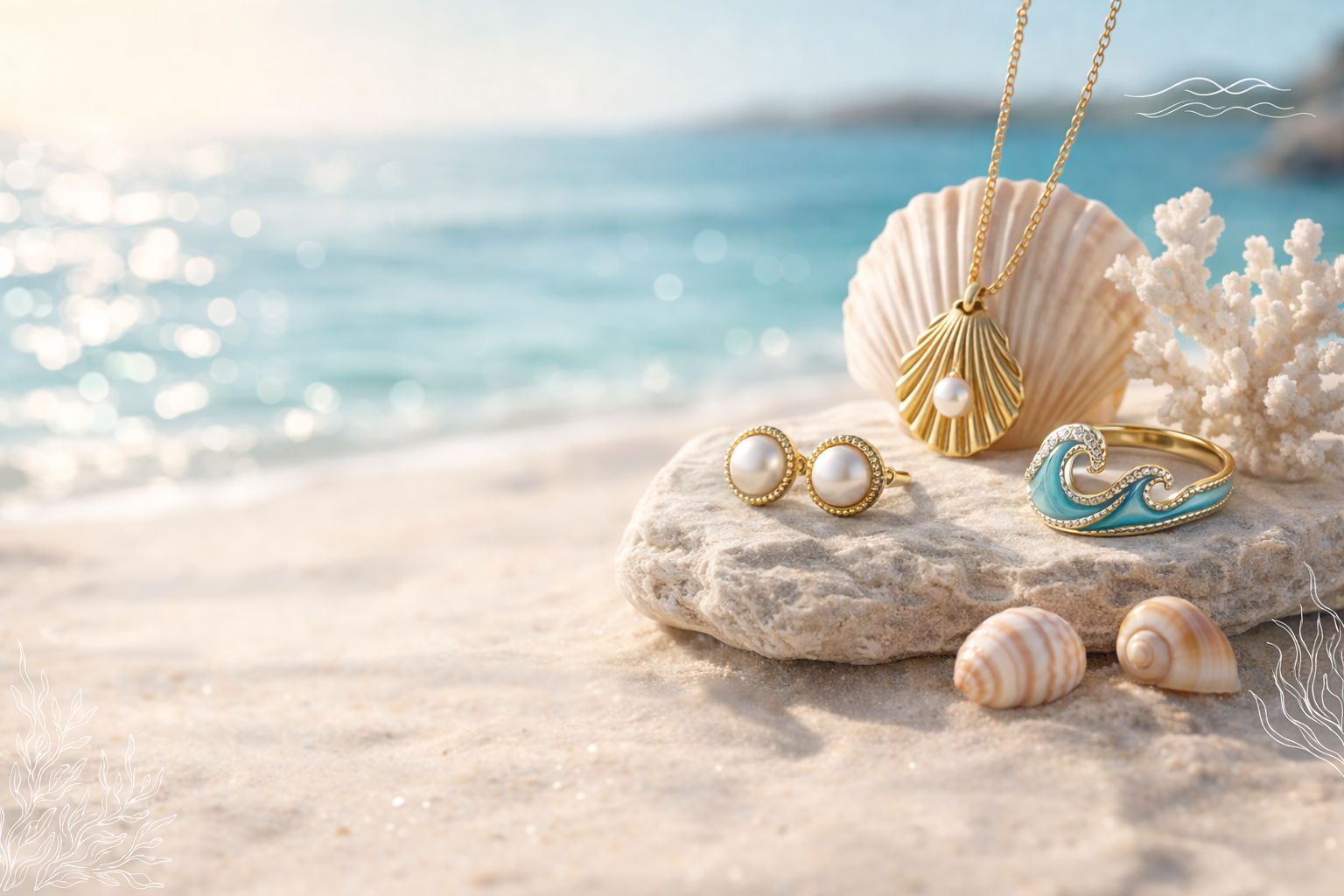
  • Ocean Inspired Jewelry: Unique Sea Theme Designs

    Ocean Inspired Jewelry: Unique Sea Theme Designs

    The ocean has always been a source of mystery, beauty, and inspiration. From the rhythmic sound of waves to the mesmerizing colors of marine life, the sea offers endless creative possibilities—especially in the world of jewelry design. Ocean-inspired jewelry captures this magic, transforming elements of the sea into wearable art that feels both personal and timeless.

    The Allure of the Sea in Jewelry

    Ocean-themed jewelry goes beyond aesthetics—it evokes emotion. Wearing a piece inspired by the sea can remind someone of a cherished beach vacation, a love for marine life, or simply a sense of calm and freedom. Designers often draw from natural textures, organic shapes, and fluid forms, creating pieces that feel alive and dynamic.

    Popular Ocean-Inspired Elements

    1. Seashell Elegance

    Seashells are among the most iconic symbols of the ocean. Jewelry pieces featuring shell motifs often highlight their natural curves and delicate patterns. From minimalist shell pendants to intricate carved designs, seashell jewelry brings a soft, coastal charm to any look.

    2. Starfish and Coral Designs

    Starfish represent regeneration and resilience, while coral symbolizes life beneath the waves. These elements are often crafted in metals like gold and silver or recreated using colorful gemstones. Coral-inspired designs, in particular, add a bold and artistic flair with their branching, organic forms.

    3. Pearl Perfection

    Pearls are timeless ocean treasures. Whether used in classic strands or modern, asymmetrical designs, they add elegance and sophistication. Baroque pearls, with their irregular shapes, are especially popular in contemporary ocean-inspired collections.

    4. Marine Life Motifs

    From dolphins and turtles to seahorses and whales, marine creatures make meaningful and playful jewelry themes. These designs often carry symbolic meanings—such as protection, harmony, or guidance—making them both stylish and sentimental.

    5. Wave-Inspired Forms

    Wave patterns capture the motion and energy of the sea. Jewelry featuring fluid, curved lines mimics the movement of water, creating pieces that feel graceful and soothing. These designs are often subtle yet deeply evocative.

    Materials That Reflect the Ocean

    Ocean-inspired jewelry frequently uses materials that mirror the sea’s natural beauty:

    • Aquamarine and turquoise for their ocean-like hues
    • Mother-of-pearl for its iridescent glow
    • Blue sapphires and topaz for depth and brilliance
    • Recycled metals to promote sustainability and protect marine ecosystems

    Many designers are now focusing on eco-friendly practices, ensuring that their creations honor the ocean not just in design, but also in impact.

    Styling Ocean-Inspired Jewelry

    Ocean-themed pieces are incredibly versatile:

    • Pair delicate shell necklaces with casual beachwear for a relaxed look
    • Wear pearl earrings with formal attire for timeless elegance
    • Stack wave-inspired rings for a modern, layered aesthetic

    These designs transition effortlessly from day to night, making them a staple in any jewelry collection.

    Why Ocean Jewelry Stands Out

    What makes ocean-inspired jewelry unique is its blend of nature and artistry. No two waves are identical, no two shells are the same—and this individuality is reflected in each piece. It tells a story, carries emotion, and connects the wearer to something vast and beautiful.

    Final Thoughts

    Ocean-inspired jewelry is more than a trend—it’s a celebration of nature’s creativity. Whether you’re drawn to the symbolism, the aesthetics, or the memories it evokes, sea-themed designs offer something truly special. In a world that moves fast, these pieces serve as gentle reminders of the ocean’s calm, depth, and endless wonder.

  • Home Furniture: Choosing the Perfect Pieces for Comfort and Style

    Home Furniture: Choosing the Perfect Pieces for Comfort and Style

    Home furniture plays a vital role in defining the look, feel, and functionality of your living space. Whether you’re furnishing a new home or upgrading your current interiors, the right home furniture can enhance comfort, improve organization, and reflect your personal style.

    From cozy sofas to elegant dining sets, every piece contributes to creating a welcoming and practical environment.

    Why Home Furniture Matters

    Furniture is more than just décor—it directly impacts how you live in your space. Well-chosen furniture:

    • Maximizes comfort and usability
    • Enhances the overall aesthetic of your home
    • Improves space efficiency and organization
    • Increases the value and appeal of your property

    Investing in quality furniture ensures durability and long-term satisfaction.

    Essential Furniture for Every Home

    Each room in your home serves a unique purpose, and the furniture should match those needs.

    Living Room Furniture

    The living room is the heart of your home, where family and guests gather.

    Key pieces include:

    • Sofas and sectionals for seating
    • Coffee tables for convenience
    • TV units or entertainment centers
    • Accent chairs for added style

    Choose furniture that balances comfort with visual appeal.

    Bedroom Furniture

    Your bedroom should be a relaxing retreat.

    Essential items:

    • A comfortable bed and mattress
    • Wardrobes or closets for storage
    • Bedside tables for convenience
    • Dressers for organization

    Opt for calming designs and high-quality materials to promote better rest.

    Dining Room Furniture

    Dining furniture brings people together.

    Must-haves:

    • Dining table suited to your space
    • Chairs that provide comfort and support
    • Storage units like cabinets or sideboards

    Consider size, shape, and durability when selecting dining sets.

    Home Office Furniture

    With more people working from home, a functional workspace is essential.

    Important pieces:

    • Ergonomic chair
    • Spacious desk
    • Storage shelves or cabinets

    Comfort and productivity should be your top priorities here.

    Popular Furniture Styles

    Your furniture style should reflect your personality and complement your home design.

    • Modern: Clean lines, minimalistic design, neutral colors
    • Traditional: Classic shapes, rich wood finishes, timeless appeal
    • Contemporary: A mix of modern trends and innovative materials
    • Rustic: Natural textures, earthy tones, and a cozy feel
    • Industrial: Raw materials like metal and wood with a bold look

    Choosing a consistent style helps create a cohesive interior.

    Tips for Choosing the Right Furniture

    Selecting furniture can feel overwhelming, but these tips can help:

    • Measure your space before buying
    • Prioritize comfort and functionality
    • Choose durable, high-quality materials
    • Stick to a consistent color palette
    • Avoid overcrowding your rooms

    Smart choices ensure your furniture fits both your space and lifestyle.

    Maintenance and Care

    Proper care extends the life of your furniture:

    • Clean regularly using appropriate products
    • Avoid direct sunlight to prevent fading
    • Use protective covers when needed
    • Fix minor damages promptly

    Maintaining your furniture keeps it looking new for years.

    Final Thoughts

    Home furniture is a key element in creating a comfortable and stylish living environment. By choosing the right pieces, you can transform your house into a functional and inviting home.

    Take your time, plan carefully, and invest in furniture that meets your needs while reflecting your personal taste.

  • Protecting Your Home from Moisture: A Complete Guide for Homeowners

    Protecting Your Home from Moisture: A Complete Guide for Homeowners

    Moisture may seem harmless at first, but over time, it can cause serious damage to your home’s structure, air quality, and overall value. From small leaks to hidden condensation, excess moisture creates the perfect environment for mold, rot, and costly repairs.

    Understanding how to prevent and control moisture is key to keeping your home safe, healthy, and long-lasting.

    Why Moisture Is a Serious Problem

    Moisture doesn’t just affect surfaces—it seeps into walls, ceilings, and foundations. Left untreated, it can lead to:

    • Mold and mildew growth
    • Wood rot and structural damage
    • Peeling paint and warped materials
    • Poor indoor air quality
    • Increased energy costs

    Even minor moisture issues can quickly escalate if ignored.

    Common Sources of Moisture in Homes

    To effectively prevent moisture damage, it’s important to know where it comes from:

    1. Roof Leaks
    Damaged shingles, cracked flashing, or aging roofs allow water to enter your home during rain or snow.

    2. Poor Ventilation
    Bathrooms, kitchens, and basements generate humidity. Without proper airflow, moisture builds up and condenses on surfaces.

    3. Faulty Gutters and Downspouts
    Clogged or broken gutters can cause water to overflow and seep into walls or your home’s foundation.

    4. Plumbing Leaks
    Leaky pipes, even small ones, can create hidden moisture problems behind walls or under floors.

    5. Foundation Cracks
    Water can enter through cracks in your basement or foundation, especially during heavy rain.

    Warning Signs of Moisture Damage

    Early detection can save you from expensive repairs. Watch for:

    • Musty odors
    • Water stains on ceilings or walls
    • Peeling paint or bubbling drywall
    • Mold spots or discoloration
    • Condensation on windows

    If you notice any of these, it’s time to take action

    Effective Ways to Protect Your Home

    Preventing moisture damage requires a combination of maintenance and smart upgrades.

    1. Maintain Your Roof

    Your roof is your home’s first line of defense. Regular inspections and timely repairs can prevent leaks before they start.

    2. Improve Ventilation

    Install exhaust fans in bathrooms and kitchens, and ensure your attic has proper airflow to reduce humidity buildup.

    3. Clean and Repair Gutters

    Keep gutters free of debris and ensure downspouts direct water away from your home’s foundation.

    4. Seal Cracks and Gaps

    Use sealants to close any openings in walls, windows, or foundations where water could enter.

    5. Use a Dehumidifier

    In humid areas like basements, a dehumidifier can help maintain optimal moisture levels indoors.

    6. Upgrade Exterior Protection

    Proper siding, insulation, and waterproofing systems add an extra layer of defense against moisture intrusion.

    The Role of Professional Inspections

    While DIY maintenance is helpful, professional inspections can identify hidden issues that aren’t visible to the naked eye. Experts can assess your roof, attic, and foundation to ensure your home is fully protected.

    Final Thoughts

    Moisture control is one of the most important aspects of home maintenance. By staying proactive and addressing issues early, you can prevent costly damage and maintain a safe, comfortable living environment.

    A dry home isn’t just about comfort—it’s about protecting your investment for the long term.

  • Protect Your Home: Expert Roofing & Exterior Services in the GTA

    Protect Your Home: Expert Roofing & Exterior Services in the GTA

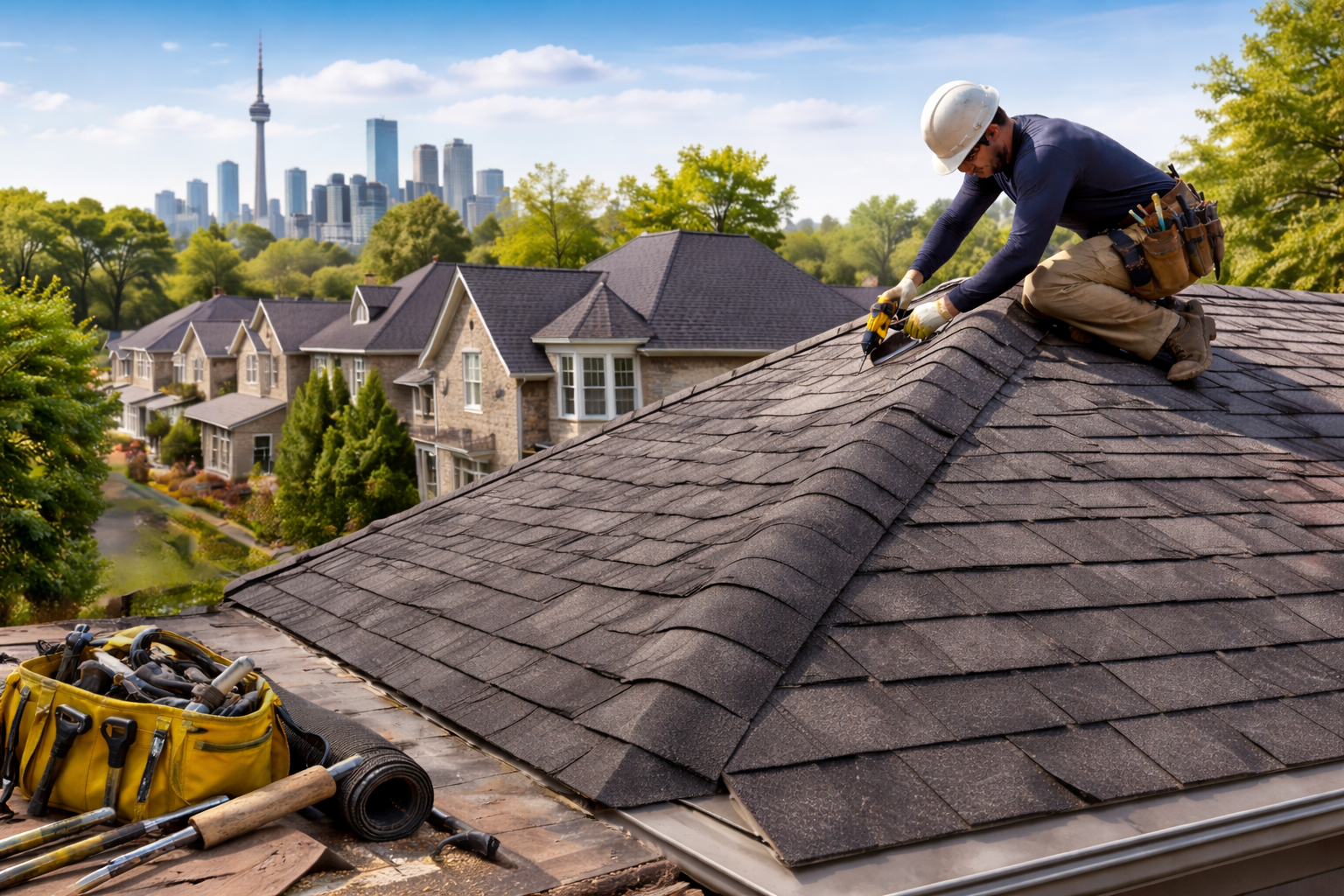
    Your home’s exterior is its first line of defense against harsh weather, and in the Greater Toronto Area (GTA), that protection is constantly put to the test. From heavy snowfall in winter to strong winds and rainstorms throughout the year, maintaining your roof and exterior isn’t optional—it’s essential.

    Whether you need a quick roof repair, a full roof replacement, or exterior upgrades, understanding your options can save you time, money, and stress.

    Why Roofing Matters in the GTA

    The climate in the Greater Toronto Area can be unpredictable. Freezing winters, humid summers, and sudden storms all contribute to wear and tear on roofing systems. Over time, even the most durable materials begin to degrade.

    Common issues homeowners face include:

    • Leaks caused by ice dams or damaged shingles
    • Mold and moisture buildup
    • Cracked or missing shingles due to wind
    • Poor insulation leading to energy loss

    Ignoring these problems can lead to costly structural damage and reduced property value.

    Roof Repairs: Fix Problems Before They Grow

    Roof repairs are often the most cost-effective way to extend the life of your roof. Small issues, when caught early, can be fixed quickly without major disruption.

    Typical repair services include:

    • Replacing damaged or missing shingles
    • Sealing leaks and waterproofing vulnerable areas
    • Repairing flashing around chimneys and vents
    • Fixing ventilation issues

    Prompt repairs not only protect your home but also prevent minor damage from turning into expensive replacements.

    When Is It Time for a Roof Replacement?

    Repairs can only go so far. If your roof is over 15–25 years old or showing widespread damage, a replacement might be the smarter investment.

    Signs you may need a new roof:

    • Frequent and recurring leaks
    • Sagging roof structure
    • Extensive shingle damage
    • Rising energy bills

    A new roof improves insulation, enhances curb appeal, and increases your home’s resale value.

    Exterior Solutions That Add Value

    Beyond roofing, maintaining your home’s exterior plays a major role in both protection and aesthetics. Many homeowners in the GTA are investing in full exterior upgrades.

    Popular exterior services include:

    • Siding installation and repair for better insulation and appearance
    • Gutter systems to prevent water damage
    • Soffit and fascia upgrades for ventilation and durability
    • Downspout solutions for efficient drainage

    These improvements work together to protect your home from moisture, pests, and temperature fluctuations.

    Choosing the Right Contractor

    Hiring the right roofing and exterior specialist is crucial. Look for:

    • Licensed and insured professionals
    • Strong local reviews and reputation
    • Transparent pricing and detailed estimates
    • Warranty on materials and workmanship

    A reliable contractor will assess your needs honestly and recommend the best long-term solution—not just the most expensive one.

    Final Thoughts

    Roof repairs, replacements, and exterior upgrades are more than maintenance tasks—they’re investments in your home’s safety and longevity. In the Greater Toronto Area, where weather conditions can be tough, staying proactive is key.

    By addressing issues early and working with experienced professionals, you can ensure your home remains secure, energy-efficient, and visually appealing for years to come.

  • Roof Repairs in California: What Homeowners Need to Know

    Roof Repairs in California: What Homeowners Need to Know

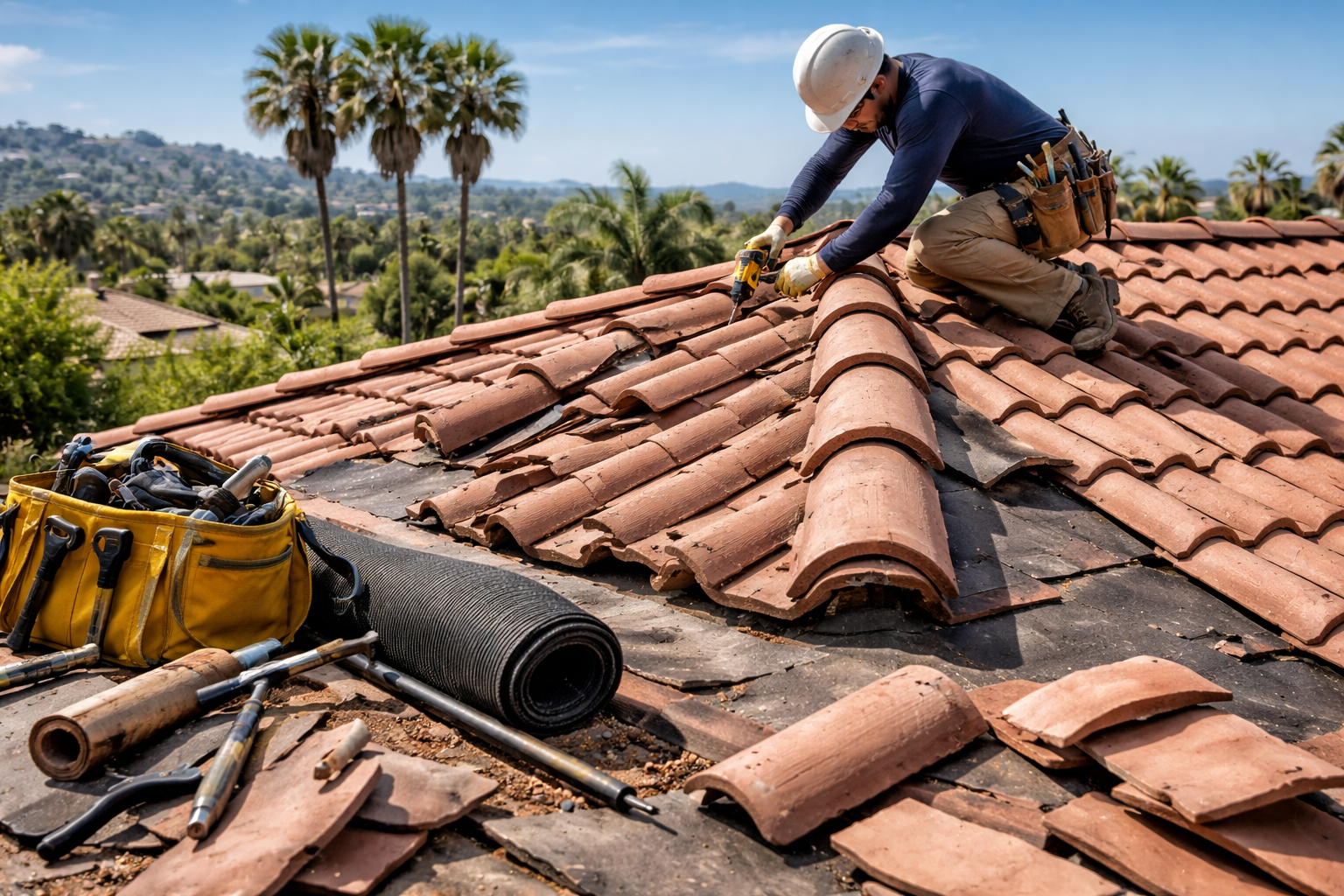
    California’s diverse climate—from coastal moisture to inland heatwaves and mountain snow—puts unique stress on residential and commercial roofs. Whether you’re dealing with cracked tiles, leaks, or storm damage, timely roof repairs are essential to maintaining the safety, efficiency, and value of your property.

    Common Roofing Issues in California

    California homeowners face a range of roofing problems depending on their region:

    1. Sun Damage
    Prolonged exposure to intense UV rays can cause roofing materials to dry out, crack, and deteriorate. Asphalt shingles, in particular, may lose their protective granules over time.

    2. Leaks and Water Damage
    Even in a relatively dry state, winter rains and occasional storms can expose vulnerabilities in your roof. Small leaks can quickly escalate into structural damage if not addressed.

    3. Tile Roof Breakage
    Clay and concrete tile roofs are popular in California, but they can crack due to impact, foot traffic, or shifting structures during minor seismic activity.

    4. Poor Installation or Aging
    Roofs that were improperly installed or have exceeded their lifespan are more prone to frequent repairs and inefficiencies.

    Signs Your Roof Needs Repair

    It’s important to recognize early warning signs before problems worsen:

    • Water stains on ceilings or walls
    • Missing, curled, or cracked shingles/tiles
    • Sagging roof sections
    • Mold or moss growth
    • Increased energy bills due to poor insulation

    If you notice any of these issues, it’s wise to schedule a professional inspection promptly.

    Types of Roof Repairs

    Roof repairs can range from minor fixes to more extensive work:

    Minor Repairs:

    • Replacing a few shingles or tiles
    • Sealing small leaks
    • Fixing flashing around vents or chimneys

    Major Repairs:

    • Structural repairs due to water damage
    • Underlayment replacement
    • Partial roof restoration

    In some cases, if damage is widespread, a full roof replacement may be more cost-effective.

    Cost of Roof Repairs in California

    Repair costs vary based on factors such as roof type, extent of damage, and location. On average:

    • Minor repairs: $150 – $1,000
    • Moderate repairs: $1,000 – $5,000
    • Major repairs: $5,000+

    Labor costs in California tend to be higher than the national average, especially in urban areas.

    Importance of Hiring a Licensed Contractor

    California law requires roofing contractors to be licensed. Hiring a licensed and insured professional ensures:

    • Compliance with state building codes
    • Proper safety standards
    • Warranty protection
    • Quality workmanship

    Always verify credentials and check reviews before choosing a contractor.

    Preventative Maintenance Tips

    Regular maintenance can extend your roof’s lifespan and reduce repair costs:

    • Schedule annual inspections
    • Clean gutters and downspouts
    • Remove debris and overhanging branches
    • Address minor issues immediately

    Final Thoughts

    Roof repairs in California are not just about fixing visible damage—they’re about protecting your home from long-term structural issues and maintaining energy efficiency. By staying proactive and working with qualified professionals, you can ensure your roof remains in top condition for years to come.

    FAQs

    1. How much do roof repairs cost in California?
    Roof repair costs typically range from $150 to $5,000+, depending on the damage, materials, and labor required. Minor fixes cost less, while structural repairs are more expensive.

    2. How do I know if my roof needs repair?
    Common signs include leaks, water stains, cracked or missing shingles, sagging areas, and higher energy bills.

    3. How long does a roof repair take?
    Most minor repairs can be completed within a few hours, while larger repairs may take 1–3 days depending on complexity.

    4. Should I repair or replace my roof?
    If the damage is localized, repairs are usually sufficient. However, if your roof is old or has widespread damage, replacement may be more cost-effective.

    5. Do I need a permit for roof repairs in California?
    Minor repairs usually don’t require permits, but major structural work or full replacements often do. Always check local regulations.

    6. Can I do roof repairs myself?
    Small fixes might be DIY-friendly, but hiring a licensed professional is recommended for safety and proper workmanship.

    7. How often should I inspect my roof?
    It’s best to inspect your roof at least once a year and after major storms to catch issues early.

  • Accessorize Your Cat Obsession With These Cat Earrings

    Accessorize Your Cat Obsession With These Cat Earrings

    If you’re a true cat lover, you know it’s more than just liking cats—it’s a whole personality. From cute cat videos to cozy cuddles with your furry friend, everything feels better with a little feline energy. So why not let your style reflect that love too? Cat earrings are the perfect way to show off your obsession in a fun, stylish, and totally wearable way.

    Whether you prefer something subtle or bold, there’s a pair of cat earrings out there just waiting to become your new favorite accessory.

    Why Cat Earrings Are a Must-Have

    Cat earrings aren’t just adorable—they’re meaningful and versatile too. Here’s why they deserve a spot in your jewelry collection:

    • Express Your Personality – Show the world you’re proudly a cat person
    • Playful Yet Stylish – Add charm to both casual and dressy outfits
    • Perfect Conversation Starter – Fellow cat lovers will instantly connect
    • Great Gift Option – Ideal for birthdays, holidays, or “just because” moments

    They’re small accessories with big personality.

    Popular Cat Earring Styles to Explore

    No matter your style, there’s something for everyone:

    1. Minimal Cat Studs
    Simple and elegant, perfect for everyday wear. Great for office or college looks.

    2. Dangling Cat Earrings
    Fun and eye-catching, these add movement and charm to your outfit.

    3. Crystal & Gemstone Cats
    Add sparkle with rhinestones or colorful stones—perfect for parties and special occasions.

    4. Cartoon & Cute Designs
    Playful, quirky, and full of personality—ideal for casual and fun outfits.

    5. Handmade & Artistic Pieces
    Unique designs crafted with love, often featuring intricate details and creative touches.

    How to Style Cat Earrings

    You don’t have to overthink it—cat earrings are surprisingly easy to style:

    • Pair studs with everyday outfits for a subtle touch
    • Wear dangling designs with dresses or festive wear for a statement look
    • Match metal tones (gold/silver) with your other jewelry
    • Let bold cat earrings be the highlight by keeping the rest minimal

    They add just the right amount of cuteness without overwhelming your look.

    Shop Cat Earrings Online

    Ready to upgrade your accessory game? Shopping for cat earrings online gives you endless options to match your vibe and budget.

    When shopping online, look for:

    • High-quality materials (stainless steel, sterling silver, or hypoallergenic options)
    • Secure clasps for comfort and durability
    • Customer reviews for better insights
    • Unique designs that stand out

    You can find amazing collections on popular platforms like fashion marketplaces, handmade stores, and jewelry websites. Whether you want something minimal or bold, there’s a perfect pair waiting for you.

    Perfect Gift for Cat Lovers

    Looking for a thoughtful gift? Cat earrings are a fantastic choice for:

    • Birthdays
    • Anniversaries
    • Festive occasions
    • Pet lovers and friends

    It’s a small but meaningful way to show you understand their love for cats.

    Caring for Your Earrings

    To keep your cat earrings looking new:

    • Store them in a dry place
    • Avoid contact with water and perfumes
    • Clean gently with a soft cloth
    • Keep them in a jewelry box to prevent scratches

    Final Thoughts

    Cat earrings are more than just accessories—they’re a celebration of your love for all things feline. Cute, stylish, and full of personality, they let you carry a little piece of your obsession wherever you go.

    So go ahead—accessorize your cat obsession and shop your favorite pair online today. Because when it comes to cats, there’s no such thing as “too much.”

  • What to Eat in a Day for Weight Loss: A Simple, Balanced Guide

    What to Eat in a Day for Weight Loss: A Simple, Balanced Guide

    Losing weight doesn’t have to mean starving yourself or following extreme diets. In fact, sustainable weight loss comes from eating the right foods in the right portions while maintaining a balanced lifestyle. The key is to nourish your body, manage calories, and keep your metabolism active throughout the day.

    This guide walks you through a full day of eating that supports healthy and realistic weight loss.

    The Basic Principle of Weight Loss

    Before diving into the meal plan, it’s important to understand one thing: weight loss happens when you consume fewer calories than your body burns. However, cutting too many calories can slow your metabolism and leave you feeling tired and hungry.

    That’s why a balanced diet with protein, fiber, and healthy fats is essential.

    Morning Routine (Start Smart)

    1. Warm Water + Lemon (Optional)
    Start your day with a glass of warm water. Adding lemon is optional, but it may help with hydration and digestion.

    2. Breakfast (Within 1–2 Hours of Waking Up)
    A good breakfast should be high in protein and fiber to keep you full longer.

    Options:

    • Oats with fruits and a handful of nuts
    • Vegetable omelette with 1–2 whole eggs
    • Greek yogurt with seeds and berries
    • Poha or upma with lots of vegetables

    Tip: Avoid sugary cereals, white bread, and processed foods in the morning.

    Mid-Morning Snack (Optional but Helpful)

    If you feel hungry before lunch, don’t ignore it—choose something light and nutritious.

    Options:

    • 1 fruit (apple, banana, papaya, or orange)
    • Handful of almonds or walnuts
    • Coconut water or buttermilk

    This helps prevent overeating during lunch.

    Lunch (Keep It Balanced)

    Lunch should be your most balanced meal of the day, including protein, carbs, and fiber.

    Ideal Plate:

    • 1–2 chapatis or a small portion of brown rice
    • A bowl of dal or grilled chicken/paneer
    • Plenty of sabzi (vegetables)
    • Salad (cucumber, carrot, beetroot)

    Tip: Avoid fried foods and heavy gravies. Keep oil minimal

    Evening Snack (Control Cravings)

    This is when most people tend to snack unhealthily. Choose wisely.

    Options:

    • Roasted chana
    • Green tea with nuts
    • Sprouts chaat
    • Boiled corn with lemon and spices

    Avoid biscuits, chips, and sugary tea/coffee combinations.

    Dinner (Light and Early)

    Dinner should be lighter than lunch and ideally eaten 2–3 hours before bedtime.

    Options:

    • Vegetable soup with grilled paneer or chicken
    • 1–2 chapatis with sabzi
    • Stir-fried vegetables with tofu
    • Moong dal khichdi (light and easy to digest)

    Tip: Avoid heavy carbs and fried foods at night.

    Hydration Matters

    Drink plenty of water throughout the day—at least 2–3 liters. Sometimes thirst is mistaken for hunger, leading to unnecessary snacking.

    You can also include:

    • Herbal teas
    • Lemon water
    • Infused water (cucumber, mint)

    Foods to Limit or Avoid

    For effective weight loss, try to reduce:

    • Sugary drinks and sodas
    • Packaged snacks
    • Deep-fried foods
    • Excess sugar and refined flour (maida)

    Bonus Tips for Better Results

    • Eat slowly and mindfully
    • Don’t skip meals—it often leads to overeating later
    • Get enough sleep (7–8 hours)
    • Combine your diet with regular exercise
    • Stay consistent rather than perfect

    Final Thoughts

    Weight loss isn’t about strict diets or cutting out everything you love—it’s about making smarter, sustainable food choices every day. A balanced diet that includes whole foods, proper portions, and regular meals will help you lose weight while keeping your body healthy and energized.

    Start small, stay consistent, and remember—progress takes time, but it’s always worth it.

  • Celebrating Love, Strength & Sacrifice: The True Meaning of Mother’s Day

    Celebrating Love, Strength & Sacrifice: The True Meaning of Mother’s Day

    Mother’s Day is more than just a date on the calendar—it is a heartfelt celebration of unconditional love, endless sacrifices, and the irreplaceable role mothers play in our lives. Whether it is your mother, grandmother, or a maternal figure, this special day is about expressing gratitude for everything they do.

    What is Mother’s Day?

    Mother’s Day is a global celebration dedicated to honoring motherhood, maternal bonds, and the influence of mothers in society. While the exact date varies across countries, the sentiment remains the same everywhere—appreciation, love, and respect.

    In countries like India and the United States, Mother’s Day is celebrated on the second Sunday of May each year.

    Why Mother’s Day Matters

    Mother’s Day provides an opportunity to express appreciation for the countless sacrifices mothers make every day. It is a reminder to acknowledge their efforts and recognize their contribution to our lives.

    It also celebrates the idea of unconditional love. A mother’s support is constant and enduring, shaping our values, decisions, and emotional strength throughout life.

    Additionally, the day helps strengthen family bonds. It brings families together, encouraging meaningful interactions and shared moments that often get overlooked in busy routines.

    Popular Ways to Celebrate Mother’s Day

    One of the most common ways to celebrate is by giving thoughtful gifts. Flowers, personalized items, and jewellery are popular choices. Many people today prefer skin-friendly, nickel-free jewellery as a safer and more meaningful option.

    Planning a special day is another way to make mothers feel valued. This could include preparing their favorite meal, organizing a family outing, or simply creating a relaxing environment at home.

    Writing a heartfelt note is a simple yet powerful gesture. Expressing emotions through words often creates a deeper impact than material gifts.

    Spending quality time together is equally important. Whether it is watching a movie, going for a walk, or having a meaningful conversation, these shared experiences create lasting memories.

    Mother’s Day Around the World

    Mother’s Day is celebrated differently across the globe. In the United States, it is often marked with gifts, cards, and family gatherings. In India, the celebration has gained popularity in recent years, especially among younger generations who embrace modern gifting traditions.

    In the United Kingdom, a similar occasion known as Mothering Sunday is observed, highlighting the cultural variations of honoring mothers.

    Modern Trends in Mother’s Day Celebrations

    In recent years, there has been a shift toward more conscious and meaningful gifting. People are choosing eco-friendly products, personalized items, and health-safe options. This reflects a growing awareness of both emotional and physical well-being.

    The focus is no longer just on giving gifts, but on creating meaningful experiences and showing genuine appreciation.

    Final Thoughts

    Mother’s Day is a meaningful reminder to appreciate the woman who has given so much without expecting anything in return. While one day cannot fully capture the importance of a mother’s role, it serves as a special moment to express love and gratitude.

    Ultimately, what matters most is making her feel valued, respected, and loved.