Author: Lynn Morre

  • Mother’s Day: Celebrating Love, Strength, and Endless Care

    Mother’s Day: Celebrating Love, Strength, and Endless Care

    Mother’s Day is more than just a date on the calendar—it’s a heartfelt celebration of the unconditional love, strength, and sacrifices that mothers bring into our lives every single day. It’s a time to pause, reflect, and show appreciation for the women who have shaped us, guided us, and stood by us through every stage of life.

    The Meaning Behind Mother’s Day

    Mother’s Day is dedicated to honoring motherhood in all its forms. Whether it’s your mother, grandmother, stepmother, or a maternal figure who has played a significant role in your life, this day is about recognizing their unwavering support and care.

    Mothers are often the silent pillars of strength—balancing responsibilities, nurturing families, and offering love without expecting anything in return. Mother’s Day is our opportunity to give back, even in the smallest ways.

    Why Mother’s Day Matters

    In the rush of daily life, we often forget to express gratitude to the people who matter most. Mother’s Day serves as a gentle reminder to:

    • Appreciate the sacrifices mothers make
    • Celebrate their unconditional love
    • Acknowledge their role in shaping our lives
    • Spend meaningful time together

    It’s not about grand gestures—it’s about genuine appreciation.

    Ways to Celebrate Mother’s Day

    1. Thoughtful Gifts

    A meaningful gift can beautifully express your love. It doesn’t have to be expensive—what matters is the emotion behind it. Personalized items, handwritten notes, or timeless jewelry pieces can make her feel truly special.

    2. Quality Time

    Sometimes, the best gift is your presence. Plan a day with her—whether it’s a family lunch, a movie night, or simply sitting together and talking.

    3. Express Your Feelings

    We often assume our mothers know how much we love them, but saying it out loud makes a difference. A heartfelt message, letter, or even a simple “thank you” can mean the world.

    4. Surprise Her

    Small surprises like breakfast in bed, decorating the home, or organizing a family gathering can make her day unforgettable.

    5. Support Her Passions

    Encourage her hobbies or interests. Whether it’s gifting something related to her passion or spending time doing what she loves, it shows you truly care.

    The Emotional Value of a Gift

    A gift on Mother’s Day isn’t just a material item—it’s a symbol of love, appreciation, and gratitude. Timeless gifts, especially those that can be cherished for years, hold emotional value and create lasting memories.

    For example, jewelry often becomes a keepsake—something she can wear and remember the love behind it every day. It becomes more than an accessory; it becomes a story.

    Motherhood in Today’s World

    Modern mothers juggle multiple roles—professionals, caregivers, mentors, and more. Their ability to balance responsibilities while nurturing their families is truly inspiring. Mother’s Day is a celebration of this strength, resilience, and adaptability.

    A Simple Reminder

    You don’t need a special occasion to appreciate your mother—but Mother’s Day gives you the perfect excuse to go the extra mile. Whether through a gift, a gesture, or kind words, make sure she feels valued and loved.

    Conclusion

    Mother’s Day is a beautiful reminder of the love that shapes our lives. It’s about celebrating the woman who has given so much of herself to ensure our happiness and well-being.

    This year, take a moment to make her smile, make her feel special, and remind her just how much she means to you—because a mother’s love is truly one of life’s greatest gifts.


  • Life Coach: Your Guide to Personal Growth, Clarity, and Success

    Life Coach: Your Guide to Personal Growth, Clarity, and Success

    In today’s fast-paced world, it’s easy to feel overwhelmed, stuck, or unsure about the direction of your life. Whether you’re facing challenges in your career, relationships, or personal growth, a life coach can help you navigate these complexities with clarity and confidence. But what exactly is life coaching, and how can it benefit you?

    What Is Life Coaching?

    Life coaching is a collaborative and goal-oriented process that helps individuals identify their aspirations, overcome obstacles, and create actionable plans to achieve success. Unlike therapy, which often focuses on healing past experiences, life coaching is primarily future-focused—helping you move forward with purpose and intention.

    A life coach acts as a guide, motivator, and accountability partner. They help you uncover your strengths, challenge limiting beliefs, and develop strategies that align with your goals and values.

    What Does a Life Coach Do?

    A life coach works with you to:

    • Clarify your goals – Whether personal or professional, defining what you truly want is the first step toward achieving it.
    • Create actionable plans – Break down big goals into manageable steps.
    • Identify and overcome obstacles – Address fears, doubts, and limiting beliefs.
    • Improve decision-making – Gain clarity and confidence in your choices.
    • Enhance accountability – Stay committed and consistent with your progress.

    Through regular sessions, a life coach ensures you stay focused, motivated, and aligned with your desired outcomes.

    Life Coaching Session

    Benefits of Working with a Life Coach

    1. Gain Clarity and Direction

    Many people feel lost because they lack clear goals. A life coach helps you define what truly matters and create a roadmap to achieve it.

    2. Boost Confidence

    By recognizing your strengths and overcoming self-doubt, you build confidence in your abilities and decisions.

    3. Improve Relationships

    Life coaching can help you communicate better, set healthy boundaries, and build stronger personal and professional relationships.

    4. Achieve Work-Life Balance

    Struggling to balance work and personal life? A life coach can help you prioritize effectively and create harmony in your daily routine.

    5. Accelerate Personal Growth

    With expert guidance and structured support, you can achieve your goals faster than working alone.

    Who Needs a Life Coach?

    Life coaching is for anyone who wants to improve their life. You might benefit from a life coach if you:

    • Feel stuck or unmotivated
    • Want to switch careers or grow professionally
    • Struggle with confidence or decision-making
    • Want to improve relationships
    • Seek a clearer sense of purpose

    Whether you’re a student, professional, entrepreneur, or homemaker, life coaching can provide valuable insights and direction.

    Life Coaching vs Therapy: What’s the Difference?

    While both aim to improve your well-being, they serve different purposes:

    • Therapy focuses on healing emotional pain and addressing past issues.
    • Life coaching focuses on goal-setting, future planning, and personal development.

    Both are valuable, and in some cases, they can complement each other.

    How to Choose the Right Life Coach

    Choosing the right life coach is essential for achieving the best results. Consider the following:

    • Experience and expertise in your area of need
    • Coaching style that matches your personality
    • Client testimonials and reviews
    • Clear structure and process
    • Comfort and trust in communication

    A good life coach will make you feel understood, supported, and empowered.

    What to Expect in a Life Coaching Session

    A typical session may include:

    • Discussing your current challenges
    • Setting clear and achievable goals
    • Exploring strategies and solutions
    • Identifying action steps
    • Reviewing progress and accountability

    Sessions can be conducted in person, over the phone, or online, making them flexible and accessible.

    Final Thoughts

    A life coach is not someone who tells you what to do—they help you discover your own answers and guide you toward achieving your goals. With the right support, you can unlock your full potential, overcome challenges, and create a life that aligns with your true purpose.

    If you’re ready to take control of your life and move forward with clarity and confidence, working with a life coach might be the transformative step you’ve been looking for.

  • Home Repair Services in Florida: A Complete Guide for Homeowners

    Home Repair Services in Florida: A Complete Guide for Homeowners

    Owning a home in Florida comes with unique responsibilities. From high humidity and heavy rains to hurricane risks and intense heat, properties in the Sunshine State require regular maintenance and timely repairs. That’s where professional home repair services play a crucial role in keeping your home safe, functional, and comfortable.

    In this guide, we’ll explore the importance of home repair services in Florida, common repairs, and how to choose the right professionals.

    Why Home Repair Services Are Essential in Florida

    Florida’s climate can take a toll on homes over time. Moisture, salt air (in coastal areas), and extreme weather conditions can cause wear and tear faster than in many other regions.

    Here’s why regular home repairs are important:

    • Protect Against Weather Damage – Storms and hurricanes can weaken structures
    • Prevent Costly Repairs – Addressing small issues early avoids major expenses
    • Maintain Property Value – Well-maintained homes retain higher market value
    • Ensure Safety – Fixing electrical, plumbing, and structural issues reduces risks

    Common Home Repairs in Florida

    Homeowners in Florida often deal with specific types of repairs due to the environment.

    1. Roof Repairs

    Frequent storms and strong winds can damage shingles, tiles, or flat roofs.

    Common issues:

    • Leaks and water damage
    • Missing or broken shingles
    • Storm-related wear

    2. HVAC Repairs

    Air conditioning systems work overtime in Florida’s heat, making maintenance essential.

    Common issues:

    • Poor cooling performance
    • Refrigerant leaks
    • System breakdowns

    3. Plumbing Repairs

    High humidity and mineral-rich water can impact plumbing systems.

    Common issues:

    • Pipe leaks and corrosion
    • Clogged drains
    • Water heater problems

    4. Electrical Repairs

    Older homes or storm damage can lead to electrical issues.

    Common issues:

    • Faulty wiring
    • Circuit breaker problems
    • Power surges

    5. Exterior and Structural Repairs

    Florida homes often require upkeep on exterior surfaces due to weather exposure.

    Common issues:

    • Cracked stucco or siding
    • Damaged windows and doors
    • Deck and fence repairs

    Benefits of Hiring Professional Home Repair Services

    While some minor fixes can be handled independently, professional services offer several advantages:

    • Expertise and Experience – Skilled technicians identify and fix issues correctly
    • Proper Tools and Equipment – Ensures efficient and safe repairs
    • Time-Saving – Faster completion compared to DIY efforts
    • Long-Term Solutions – Reduces the likelihood of recurring problems

    How to Choose the Right Home Repair Service in Florida

    With many service providers available, selecting the right one is key to quality results.

    Consider the following factors:

    • Licensing and Insurance – Ensure compliance with Florida regulations
    • Local Experience – Familiarity with Florida-specific challenges
    • Customer Reviews – Check ratings and testimonials
    • Transparent Pricing – Avoid hidden costs
    • Emergency Services – Important during storm season

    Tips to Maintain Your Home in Florida

    Preventative maintenance can reduce the need for frequent repairs:

    • Inspect your roof regularly, especially after storms
    • Clean gutters and drainage systems
    • Service your HVAC system at least twice a year
    • Seal windows and doors to prevent moisture intrusion
    • Check for mold or mildew in humid areas

    Final Thoughts

    Home repair services in Florida are essential for maintaining a safe, comfortable, and long-lasting home. With the state’s unique climate challenges, regular maintenance and timely repairs can save you money and prevent major issues in the future.

    Whether it’s fixing a leaky roof, maintaining your AC system, or repairing structural damage, working with trusted professionals ensures your home stays in top condition year-round.

  • Air Conditioning Service in Dallas–Fort Worth: Everything You Need to Know

    Air Conditioning Service in Dallas–Fort Worth: Everything You Need to Know

    Living in the Dallas–Fort Worth area means dealing with long, hot summers where a reliable air conditioning system isn’t just a luxury—it’s a necessity. Regular air conditioning service ensures your system runs efficiently, keeps your indoor environment comfortable, and helps you avoid costly breakdowns.

    In this blog, we’ll cover the importance of AC servicing, what’s included, and how to choose the right service provider in Dallas–Fort Worth.

    Why Air Conditioning Service is Essential

    The Texas heat can put a heavy strain on your air conditioning system. Without regular maintenance, even the best units can lose efficiency or fail when you need them most.

    Here’s why routine AC service is important:

    • Improves Cooling Efficiency – A well-maintained system cools your home faster and uses less energy
    • Extends System Lifespan – Regular servicing prevents wear and tear
    • Reduces Energy Bills – Clean and optimized systems consume less electricity
    • Prevents Unexpected Breakdowns – Early detection of issues saves money
    • Enhances Indoor Air Quality – Clean filters and coils reduce dust and allergens

    What’s Included in Professional AC Service?

    A comprehensive air conditioning service involves more than just a quick inspection. Professional technicians perform a detailed check to ensure optimal performance.

    Typical services include:

    • Inspecting and cleaning air filters
    • Checking refrigerant levels
    • Cleaning evaporator and condenser coils
    • Inspecting electrical components
    • Testing thermostat functionality
    • Ensuring proper airflow and duct condition

    Regular servicing helps maintain consistent cooling and prevents major repairs down the line.

    How Often Should You Service Your AC?

    In a climate like Dallas–Fort Worth, it’s recommended to service your air conditioning system:

    • At least once a year (preferably before summer)
    • Twice a year for older systems or heavy usage
    • Seasonally for commercial properties

    Scheduling maintenance before peak summer ensures your system is ready to handle extreme temperatures.

    Signs Your AC Needs Immediate Service

    Sometimes your air conditioner will show clear signs that it needs attention. Ignoring these can lead to bigger problems.

    Watch out for:

    • Weak airflow or uneven cooling
    • Strange noises or unusual smells
    • Higher energy bills without increased usage
    • Frequent cycling on and off
    • Warm air coming from vents

    If you notice any of these issues, it’s best to call a professional technician promptly.

    Choosing the Right AC Service in Dallas–Fort Worth

    With many HVAC companies in the area, selecting the right service provider is important. Here’s what to look for:

    • Licensed and insured technicians
    • Positive customer reviews and ratings
    • Transparent pricing
    • Emergency repair services
    • Experience with different AC brands and systems

    A trusted HVAC company will provide honest recommendations and quality service.

    Tips to Maintain Your AC Between Services

    You can take simple steps to keep your AC running smoothly between professional visits:

    • Replace or clean air filters regularly
    • Keep outdoor units free from debris
    • Use a programmable or smart thermostat
    • Seal windows and doors to prevent cool air loss
    • Avoid overworking the system during extreme heat

    These small actions can significantly improve efficiency and performance.

    Final Thoughts

    Air conditioning service is essential for maintaining comfort in the Dallas–Fort Worth area. With regular maintenance, you can ensure your system operates efficiently, lasts longer, and keeps your home cool even during the hottest days.

    Whether you’re scheduling routine maintenance or dealing with an urgent repair, investing in professional AC service is the key to staying comfortable year-round.

  • How to Choose the Right HVAC System for a New Construction Home

    How to Choose the Right HVAC System for a New Construction Home

    Building a new home is an exciting opportunity to design a space that perfectly suits your lifestyle—and that includes selecting the right HVAC (Heating, Ventilation, and Air Conditioning) system. Unlike replacing an old unit, new construction allows you to choose a system that is energy-efficient, cost-effective, and tailored to your home’s layout from the start.

    In this guide, we’ll walk you through the key factors to consider when choosing the ideal HVAC system for your new build.

    Understand Your Home’s Heating and Cooling Needs

    Every home is different, and the size, layout, insulation, and location all play a major role in determining the right HVAC system.

    Key factors include:

    • Square footage of the home
    • Number of floors
    • Ceiling height
    • Window size and placement
    • Local climate conditions

    A professional load calculation (often called a Manual J calculation) helps determine the exact heating and cooling capacity your home requires. Oversized or undersized systems can lead to inefficiency and discomfort.

    Explore Different Types of HVAC Systems

    There are several HVAC options available for new construction homes. Choosing the right one depends on your budget, climate, and preferences.

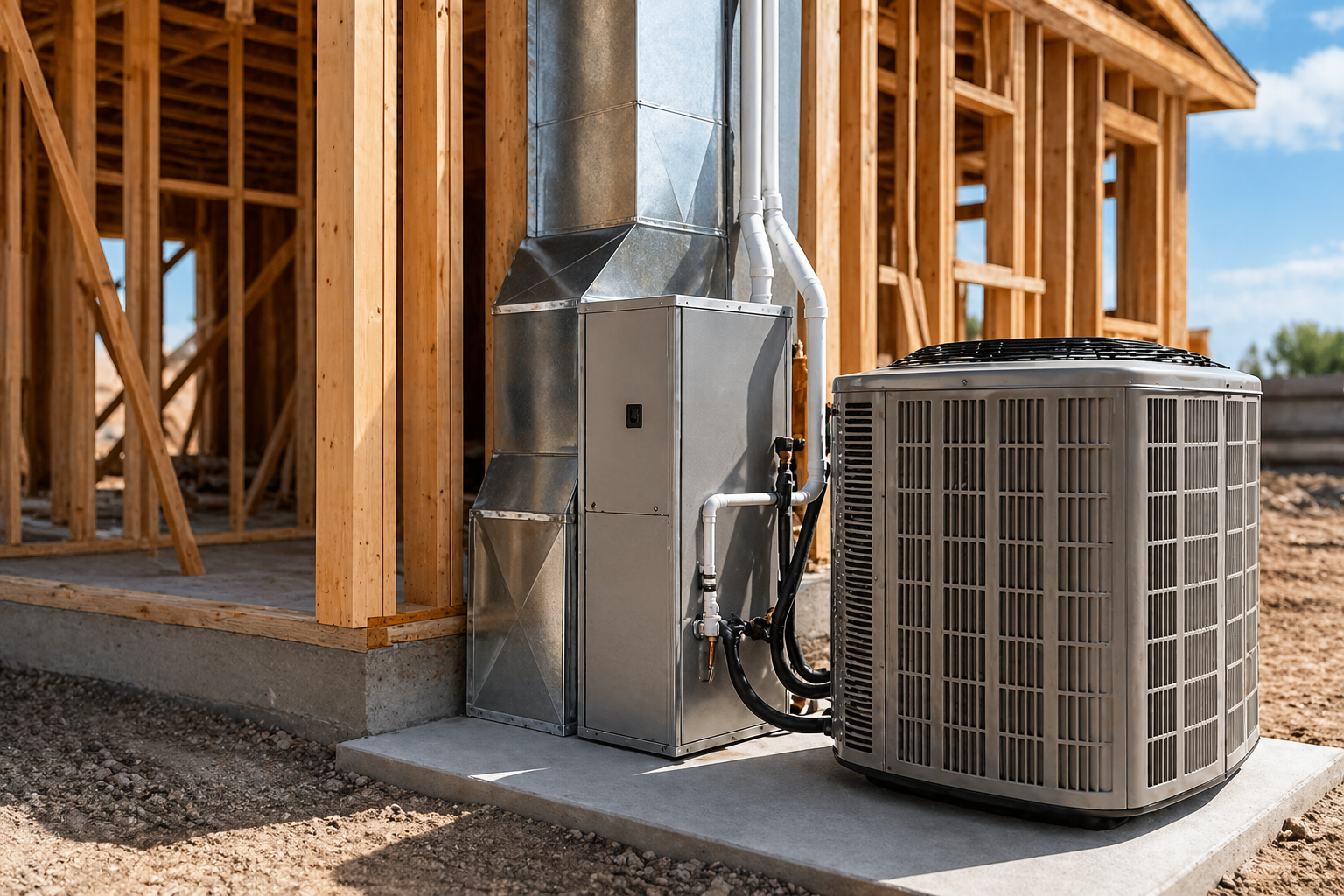
    1. Split Systems

    These are the most common systems, consisting of an indoor unit and an outdoor unit.

    Best for: Traditional homes with ductwork

    2. Ductless Mini-Split Systems

    These systems don’t require ductwork and allow for zoned temperature control.

    Best for: Energy efficiency and room-by-room control

    3. Heat Pumps

    Heat pumps provide both heating and cooling by transferring heat rather than generating it.

    Best for: Moderate climates and energy savings

    4. Packaged HVAC Systems

    All components are housed in a single outdoor unit.

    Best for: Homes with limited indoor space

    Focus on Energy Efficiency

    Energy efficiency is one of the most important considerations when selecting an HVAC system. A more efficient system may cost more upfront but can significantly reduce energy bills over time.

    Look for:

    • High SEER (Seasonal Energy Efficiency Ratio) ratings
    • ENERGY STAR® certified systems
    • Variable-speed motors for better performance

    Investing in energy-efficient equipment also reduces your environmental impact.

    Consider Ductwork Design

    If your home will use a ducted system, proper ductwork design is essential. Poorly designed ducts can lead to uneven temperatures, energy loss, and higher utility bills.

    Make sure:

    • Ducts are properly sealed and insulated
    • Airflow is evenly distributed throughout the home
    • The system is designed during the construction phase

    Think About Smart Technology

    Modern HVAC systems often integrate with smart home technology, allowing you to control temperature, monitor energy usage, and schedule settings remotely.

    Benefits include:

    • Improved comfort and convenience
    • Lower energy consumption
    • Real-time system monitoring

    Smart thermostats can be a valuable addition to any new HVAC setup.

    Budget and Long-Term Costs

    While it’s tempting to choose the cheapest option, it’s important to consider long-term value.

    Factor in:

    • Installation costs
    • Energy savings over time
    • Maintenance and repair expenses
    • System lifespan

    A slightly higher upfront investment can result in significant savings over the life of the system.

    Work with a Qualified HVAC Professional

    Choosing and installing an HVAC system is not a DIY task. Working with experienced professionals ensures that your system is properly sized, installed, and optimised for your home.

    A qualified contractor can:

    • Perform load calculations
    • Recommend suitable systems
    • Ensure proper installation
    • Provide ongoing maintenance support

    Final Thoughts

    Selecting the right HVAC system for a new construction home is a critical decision that impacts your comfort, energy efficiency, and long-term costs. By understanding your home’s needs, exploring available options, and working with trusted professionals, you can make an informed choice that delivers reliable performance for years to come.

    A well-designed HVAC system isn’t just an upgrade—it’s an investment in your home’s future comfort and efficiency.

  • Carpet Cleaning in the UK: A Complete Guide for Homeowners

    Carpet Cleaning in the UK: A Complete Guide for Homeowners

    Carpets are a key part of many UK homes, adding warmth, comfort, and style. However, they also attract dust, dirt, allergens, and stains over time. Regular maintenance and professional cleaning are essential to keep carpets looking fresh and hygienic. In this guide, we’ll explore everything you need to know about carpet cleaning in the UK.

    Why Carpet Cleaning is Important

    Carpets act like filters, trapping airborne particles such as dust, pollen, and pet dander. While this helps improve indoor air quality initially, a dirty carpet can eventually become a source of allergens and bacteria.

    Regular carpet cleaning helps to:

    • Improve indoor air quality
    • Remove allergens and bacteria
    • Extend the lifespan of your carpet
    • Maintain the appearance of your home
    • Eliminate unpleasant odours

    How Often Should You Clean Your Carpets?

    The frequency of carpet cleaning depends on your household and lifestyle:

    • Every 6–12 months – Recommended for most homes
    • Every 3–6 months – Homes with pets or children
    • More frequently – High-traffic areas like hallways and living rooms

    Regular vacuuming (at least twice a week) also plays a crucial role in maintaining cleanliness between deep cleans.

    Common Carpet Cleaning Methods in the UK

    There are several carpet cleaning methods used by professionals across the UK. Each has its benefits depending on the type of carpet and level of soiling.

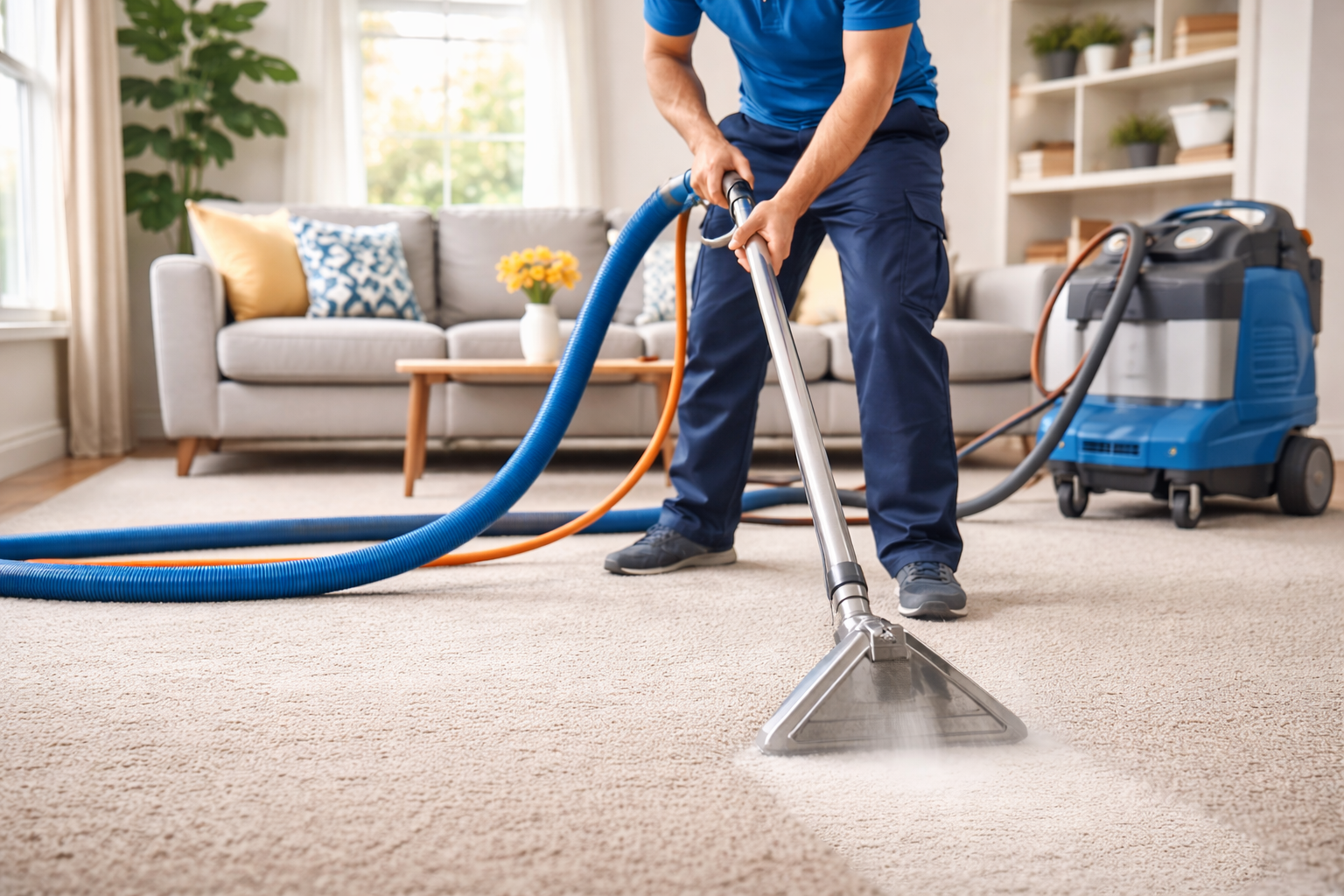
    1. Hot Water Extraction (Steam Cleaning)

    This is one of the most popular and effective methods. It involves injecting hot water and cleaning solution into the carpet, then extracting it along with dirt and debris.

    Best for: Deep cleaning and heavily soiled carpets

    2. Dry Carpet Cleaning

    This method uses minimal moisture and specialised cleaning compounds to lift dirt from the fibres.

    Best for: Quick drying times and delicate carpets

    3. Shampooing

    An older method that involves applying foam detergent and scrubbing the carpet.

    Best for: Surface-level cleaning (less commonly used today)

    4. Encapsulation Cleaning

    A modern technique where cleaning agents crystallise dirt particles, which are then vacuumed away.

    Best for: Commercial spaces and maintenance cleaning

    DIY vs Professional Carpet Cleaning

    Many homeowners in the UK consider renting machines or using store-bought products. While DIY cleaning can help with minor stains, it often lacks the power and effectiveness of professional equipment.

    DIY Cleaning:

    • Lower upfront cost
    • Suitable for small stains
    • Risk of over-wetting or residue

    Professional Cleaning:

    • Deep and thorough cleaning
    • Advanced equipment and expertise
    • Longer-lasting results

    Tips for Keeping Your Carpets Clean

    Maintaining your carpet between professional cleans can make a big difference:

    • Vacuum regularly, especially in high-traffic areas
    • Remove shoes indoors to reduce dirt
    • Clean spills immediately to prevent stains
    • Use rugs or runners in busy areas
    • Schedule periodic professional cleaning

    Choosing a Carpet Cleaning Service in the UK

    When selecting a carpet cleaning company, consider the following:

    • Experience and customer reviews
    • Cleaning methods used
    • Pricing transparency
    • Insurance and certifications
    • Eco-friendly cleaning options

    A reputable service provider will assess your carpet type and recommend the most suitable cleaning method.

    Final Thoughts

    Carpet cleaning is an essential part of maintaining a healthy and comfortable home in the UK. Whether you choose to clean your carpets yourself or hire professionals, regular upkeep will ensure your carpets remain fresh, durable, and visually appealing for years to come.

    By understanding the different cleaning methods and best practices, you can make informed decisions and protect your investment in your home.

  • How to Clean a Mattress at Home: Step-by-Step Guide

    How to Clean a Mattress at Home: Step-by-Step Guide

    A clean mattress isn’t just about freshness—it directly impacts your sleep quality, hygiene, and overall health. Over time, mattresses collect dust, sweat, dead skin, and even allergens. The good news? You don’t always need to replace it—you can clean it effectively at home with a few simple steps.

    Here’s a complete step-by-step guide to help you refresh & clean your mattress and keep it in top condition.

    Step 1: Remove Bedding and Wash It

    Start by stripping your mattress completely—remove bedsheets, pillowcases, and mattress covers.
    Wash them in hot water (if fabric allows) to kill dust mites and bacteria. Dry them thoroughly before putting them back.

    Step 2: Vacuum the Mattress

    Use a vacuum cleaner with an upholstery attachment to remove dust, dirt, and debris.

    • Focus on seams, edges, and corners
    • Go slowly to ensure deep cleaning

    This step helps eliminate allergens and improves mattress hygiene instantly.

    Step 3: Spot Clean Stains

    For visible stains, treat them carefully:

    • Sweat/urine stains: Mix mild detergent with water
    • Food/drink stains: Use a mixture of baking soda and water
    • Odor stains: Add a little white vinegar

    Gently dab (don’t soak) the stained area using a clean cloth. Avoid over-wetting, as moisture can damage the mattress.

    Step 4: Deodorize with Baking Soda

    Sprinkle a generous layer of baking soda across the entire mattress surface.

    • Let it sit for at least 4–6 hours (or overnight for best results)
    • It absorbs moisture and neutralizes odors

    Afterward, vacuum the mattress again to remove all the powder.

    Step 5: Let It Air Out

    If possible, place the mattress near sunlight or in a well-ventilated room.
    Sunlight naturally kills bacteria and helps eliminate lingering smells.

    Step 6: Flip or Rotate the Mattress

    To maintain its shape and extend its life:

    • Flip (if double-sided) or rotate the mattress every 3–6 months

    This prevents uneven wear and sagging.

    Step 7: Use a Mattress Protector

    Once clean, protect your mattress with a washable mattress cover.
    This reduces future dirt buildup and makes cleaning easier next time.

    When to Call Professionals

    While DIY cleaning works well for regular maintenance, some situations need expert care:

    • Deep stains or persistent odors
    • Mold or heavy dust accumulation
    • Allergy-sensitive households

    In such cases, you can book professional for mattress cleaning services for a deep and hygienic clean without the hassle.

    Final Tips

    • Clean your mattress every 3–6 months
    • Vacuum it monthly to reduce dust
    • Avoid eating on the bed to prevent stains

    Keeping your mattress clean doesn’t have to be complicated. With these simple steps, you can maintain a fresh, healthy sleeping environment right at home—and when needed, professional services are always there to help.

    Sleep better, breathe easier, and wake up refreshed.

  • Carpet Cleaning: The Ultimate Guide to Fresh, Healthy Carpets

    Carpet Cleaning: The Ultimate Guide to Fresh, Healthy Carpets

    Carpets add warmth, comfort, and style to any home or office—but they also attract dust, allergens, stains, and bacteria over time. In a busy city like Sydney, where lifestyle and environmental factors can quickly impact indoor cleanliness, regular carpet maintenance is essential.

    Whether you’re a homeowner, tenant, or business owner, understanding the importance of professional carpet cleaning can help you maintain a cleaner, healthier space.

    Why Carpet Cleaning Matters

    Carpets act like filters, trapping dust, dirt, pet dander, and even pollutants brought in from outside. Without proper cleaning, these particles accumulate and can affect both the appearance of your carpet and indoor air quality.

    Regular carpet cleaning helps to:

    • Remove deep-seated dirt and allergens
    • Eliminate odors caused by pets or spills
    • Extend the lifespan of your carpet
    • Improve overall hygiene and air quality

    Common Carpet Cleaning Methods

    Different carpets require different cleaning techniques. Professional cleaners in Sydney typically use the following methods:

    1. Steam Cleaning (Hot Water Extraction)

    This is one of the most effective and widely used methods. It involves injecting hot water and cleaning solution into the carpet and then extracting it along with dirt and debris.

    Best for: Deep cleaning and heavily soiled carpets

    2. Dry Carpet Cleaning

    This method uses minimal moisture and special cleaning compounds to break down dirt, which is then vacuumed away.

    Best for: Quick cleaning with fast drying times

    3. Shampooing

    Carpet shampoo is applied and scrubbed into the fibers before being removed. While effective, it may leave residue if not done properly.

    Best for: Surface-level cleaning

    4. Encapsulation Cleaning

    A modern method where cleaning agents crystallize dirt particles, making them easy to vacuum.

    Best for: Commercial spaces with regular maintenance needs

    How Often Should You Clean Your Carpet?

    The frequency depends on your lifestyle and environment:

    • Homes with pets or children: Every 3–6 months
    • Regular households: Every 6–12 months
    • Offices and commercial spaces: Every 3–6 months
    • Allergy sufferers: More frequent cleaning recommended

    Benefits of Hiring Professional Carpet Cleaners in Sydney

    While DIY cleaning can help with minor maintenance, professional services offer deeper and longer-lasting results.

    Expertise and Equipment

    Professionals use industrial-grade machines and eco-friendly solutions that deliver superior cleaning.

    Time-Saving

    Cleaning carpets thoroughly can be time-consuming. Experts handle the job efficiently, saving you effort.

    Stain Removal

    From coffee spills to pet stains, professionals know how to treat different types of stains effectively.

    Prolonged Carpet Life

    Regular professional cleaning prevents fiber damage and keeps carpets looking new for longer.

    Tips to Keep Your Carpet Clean Longer

    • Vacuum at least once or twice a week
    • Clean spills immediately to prevent stains
    • Use doormats to reduce dirt entry
    • Remove shoes indoors
    • Schedule periodic professional cleaning

    Choosing the Right Carpet Cleaning Service in Sydney

    When selecting a service provider, consider:

    • Experience and customer reviews
    • Cleaning methods offered
    • Pricing and transparency
    • Use of eco-friendly products
    • Availability and response time

    Conclusion

    Carpet cleaning is more than just maintaining appearance—it’s about creating a healthier living and working environment. In Sydney’s dynamic lifestyle, regular and professional carpet care ensures your space remains fresh, hygienic, and inviting.

    Investing in the right carpet cleaning approach today can save you time, money, and effort in the long run—while keeping your home or office looking its best.

  • Smart Education for Slow and Fast Learners: An Adaptive Learning Approach

    Smart Education for Slow and Fast Learners: An Adaptive Learning Approach

    Education has never been a one-size-fits-all system—yet for decades, it has been delivered as if it were. In every classroom, there are students who grasp concepts quickly and others who need more time, practice, and different methods. Labeling them as “fast” or “slow” learners often oversimplifies a deeper truth: every learner is unique. The real challenge—and opportunity—is designing an education system that adapts to these differences rather than ignoring them.

    Understanding the Learning Spectrum

    “Fast learners” are typically those who process information quickly, make connections easily, and require less repetition. On the other hand, “slow learners” may need more time to understand concepts, benefit from repetition, and often require alternative explanations.

    However, speed does not define intelligence or potential. Many slow learners excel in creativity, critical thinking, or practical application, while fast learners may sometimes struggle with depth or patience. Recognizing this diversity is the first step toward building a smarter education system.

    What Is Smart (Adaptive) Education?

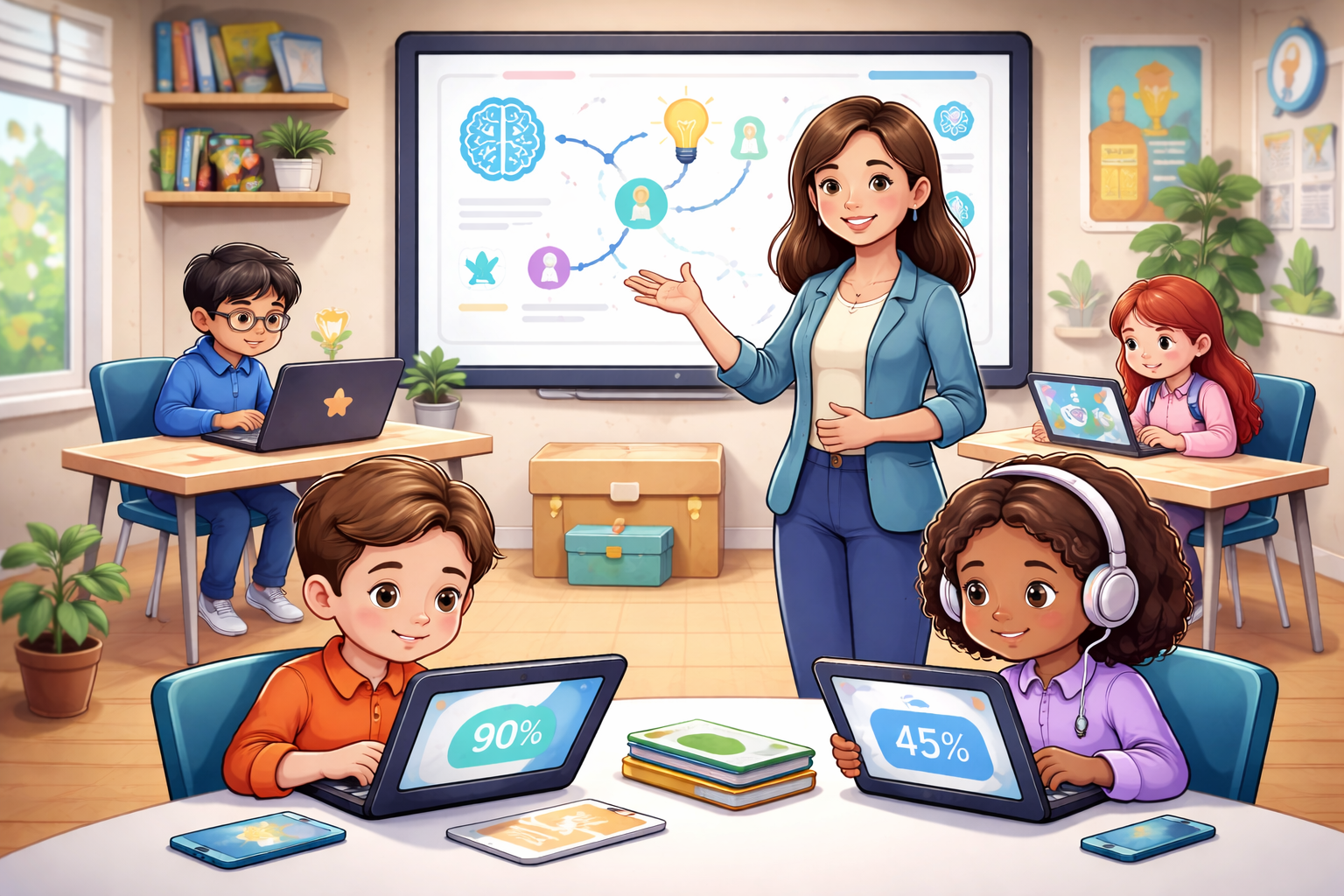
    Smart education refers to the use of technology, data, and flexible teaching methods to personalize learning experiences. At its core is adaptive learning—an approach that adjusts content, pace, and teaching style based on each student’s needs, performance, and progress.

    Instead of forcing all students to move at the same speed, adaptive systems:

    • Provide additional support where needed
    • Offer advanced material to those ready for it
    • Continuously assess and adjust learning pathways

    How Adaptive Learning Supports Both Types of Learners

    1. Personalized Learning Paths

    Adaptive platforms analyze how a student learns and tailor lessons accordingly. A fast learner can move ahead without waiting, while a slow learner can revisit concepts until they gain confidence.

    2. Flexible Pace

    Traditional classrooms often rush some students and bore others. Adaptive learning removes this pressure by allowing:

    • Fast learners to accelerate
    • Slow learners to learn without stress or comparison

    3. Immediate Feedback

    Students receive real-time feedback, helping them identify mistakes early. This is especially valuable for slow learners who benefit from guidance, and for fast learners who want to refine their understanding quickly.

    4. Multi-Modal Learning

    Not all students learn best through textbooks. Smart education incorporates videos, interactive simulations, quizzes, and hands-on activities, ensuring that different learning styles are supported.

    5. Data-Driven Insights for Teachers

    Teachers gain insights into student performance, enabling them to:

    • Identify struggling students early
    • Challenge advanced learners appropriately
    • Offer targeted interventions

    Role of Teachers in Smart Education

    Technology enhances education, but it does not replace teachers. Instead, it transforms their role from information providers to facilitators and mentors. Teachers can focus more on:

    • Individual attention
    • Emotional and social development
    • Encouraging curiosity and critical thinking

    Benefits of an Adaptive Learning Approach

    • Inclusivity: Every student gets a fair chance to succeed
    • Improved Engagement: Lessons feel relevant and achievable
    • Better Outcomes: Students learn more effectively at their own pace
    • Reduced Stress: Less comparison and pressure among peers

    Challenges to Implementation

    While promising, adaptive learning comes with challenges:

    • Access to technology and digital infrastructure
    • Training teachers to use new tools effectively
    • Ensuring data privacy and ethical use
    • Avoiding over-reliance on automation

    Addressing these challenges is essential to make smart education accessible and equitable.

    The Future of Learning

    The future of education lies in flexibility, personalization, and inclusivity. By embracing adaptive learning, we move away from rigid systems and toward a model that respects individual differences.

    In such a system, there are no “slow” or “fast” learners—only learners on their own unique journeys.

    Conclusion

    Smart education is not just about using technology; it’s about rethinking how learning happens. An adaptive approach ensures that every student—regardless of pace—receives the support and challenge they need to thrive.

    When education adapts to the learner, instead of the learner struggling to adapt to education, true learning begins.

  • Augmented Reality vs. Virtual Reality: What’s the Difference and How They Impact Education

    Augmented Reality vs. Virtual Reality: What’s the Difference and How They Impact Education

    Technology is rapidly transforming how we learn, and two of the most exciting innovations leading this change are Augmented Reality (AR) and Virtual Reality (VR). While both offer immersive experiences, they are often confused with one another.

    Understanding the difference between AR and VR—and their impact on education—can help students, educators, and institutions make better use of these powerful tools.

    What is Augmented Reality (AR)?

    Augmented Reality (AR) enhances the real world by overlaying digital elements such as images, sounds, or text onto your physical surroundings.

    Instead of replacing reality, AR adds to it.

    Examples of AR:

    A well-known example is Pokémon GO, where digital characters appear in real-world locations.

    What is Virtual Reality (VR)?

    Virtual Reality (VR) creates a completely immersive digital environment that replaces the real world. Users typically wear headsets to enter a simulated space.

    Examples of VR:

    • Virtual classrooms
    • 3D simulations for medical training
    • Historical recreations for immersive learning

    Devices like Oculus Quest 2 allow users to explore fully virtual worlds.

    Key Differences Between AR and VR

    FeatureAugmented Reality (AR)Virtual Reality (VR)
    EnvironmentReal world + digital overlayFully virtual world
    DeviceSmartphone, tabletVR headset
    Immersion LevelPartial immersionFull immersion
    InteractionEnhances real-world interactionReplaces real-world interaction

    In simple terms:
    AR adds to reality
    VR replaces reality

    Impact of AR and VR in Education

    Both AR and VR are revolutionizing education by making learning more interactive, engaging, and effective.

    1. Enhanced Visualization

    Complex subjects become easier to understand when students can see and interact with concepts.

    • AR can display 3D models of the human body
    • VR can take students inside a virtual laboratory

    This is especially useful in subjects like science, engineering, and medicine.

    2. Experiential Learning

    VR enables learning by doing, not just reading or listening.

    Students can:

    • Perform virtual experiments
    • Explore space or underwater environments
    • Visit historical sites without leaving the classroom

    For example, platforms like Google Expeditions allow virtual field trips around the world.

    3. Increased Engagement

    Traditional lectures can sometimes feel monotonous. AR and VR make learning:

    • Interactive
    • Fun
    • Highly engaging

    Gamified learning experiences keep students motivated and focused.

    4. Accessibility and Remote Learning

    VR can create virtual classrooms, allowing students from different locations to learn together.

    AR apps can turn any smartphone into a learning tool, making education more accessible.

    5. Challenges to Consider

    Despite their benefits, AR and VR also come with limitations:

    • High cost of VR equipment
    • Need for technical infrastructure
    • Potential screen fatigue
    • Learning curve for teachers

    Adopting these technologies requires careful planning and investment.

    The Future of AR and VR in Education

    As technology becomes more affordable and advanced, AR and VR are expected to become mainstream in classrooms.

    Future possibilities include:

    • Fully immersive digital campuses
    • AI-powered personalized learning environments
    • Real-time collaboration in virtual spaces

    These innovations could redefine how knowledge is delivered and experienced.

    Final Thoughts

    Augmented Reality and Virtual Reality are not just futuristic concepts—they are already transforming education today.

    While AR enhances the real world, VR creates entirely new ones, and both offer unique advantages for learning. By integrating these technologies effectively, educators can create more engaging, interactive, and impactful learning experiences.