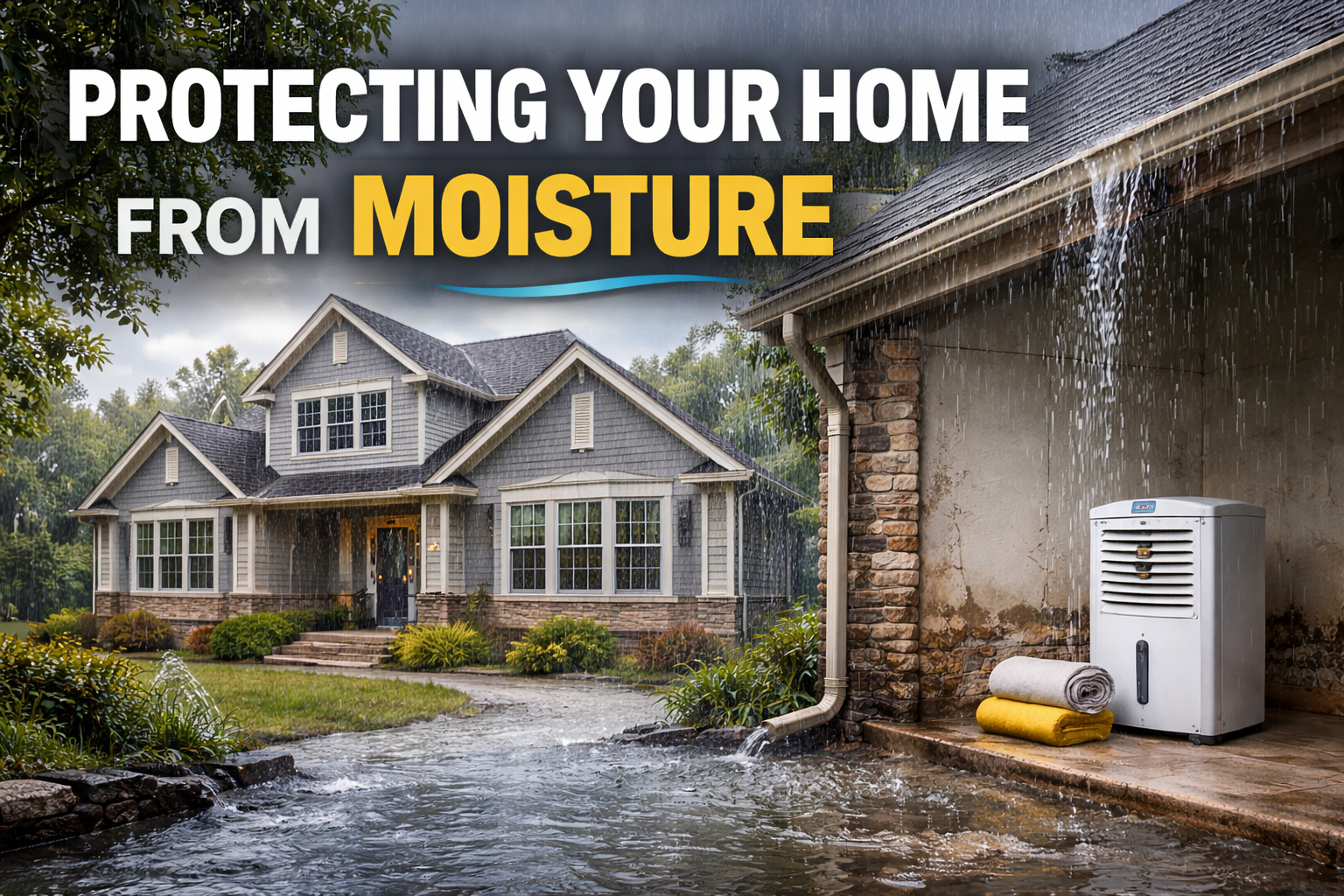
Moisture may seem harmless at first, but over time, it can cause serious damage to your home’s structure, air quality, and overall value. From small leaks to hidden condensation, excess moisture creates the perfect environment for mold, rot, and costly repairs.
Understanding how to prevent and control moisture is key to keeping your home safe, healthy, and long-lasting.
Why Moisture Is a Serious Problem
Moisture doesn’t just affect surfaces—it seeps into walls, ceilings, and foundations. Left untreated, it can lead to:
- Mold and mildew growth
- Wood rot and structural damage
- Peeling paint and warped materials
- Poor indoor air quality
- Increased energy costs
Even minor moisture issues can quickly escalate if ignored.
Common Sources of Moisture in Homes
To effectively prevent moisture damage, it’s important to know where it comes from:
1. Roof Leaks
Damaged shingles, cracked flashing, or aging roofs allow water to enter your home during rain or snow.
2. Poor Ventilation
Bathrooms, kitchens, and basements generate humidity. Without proper airflow, moisture builds up and condenses on surfaces.
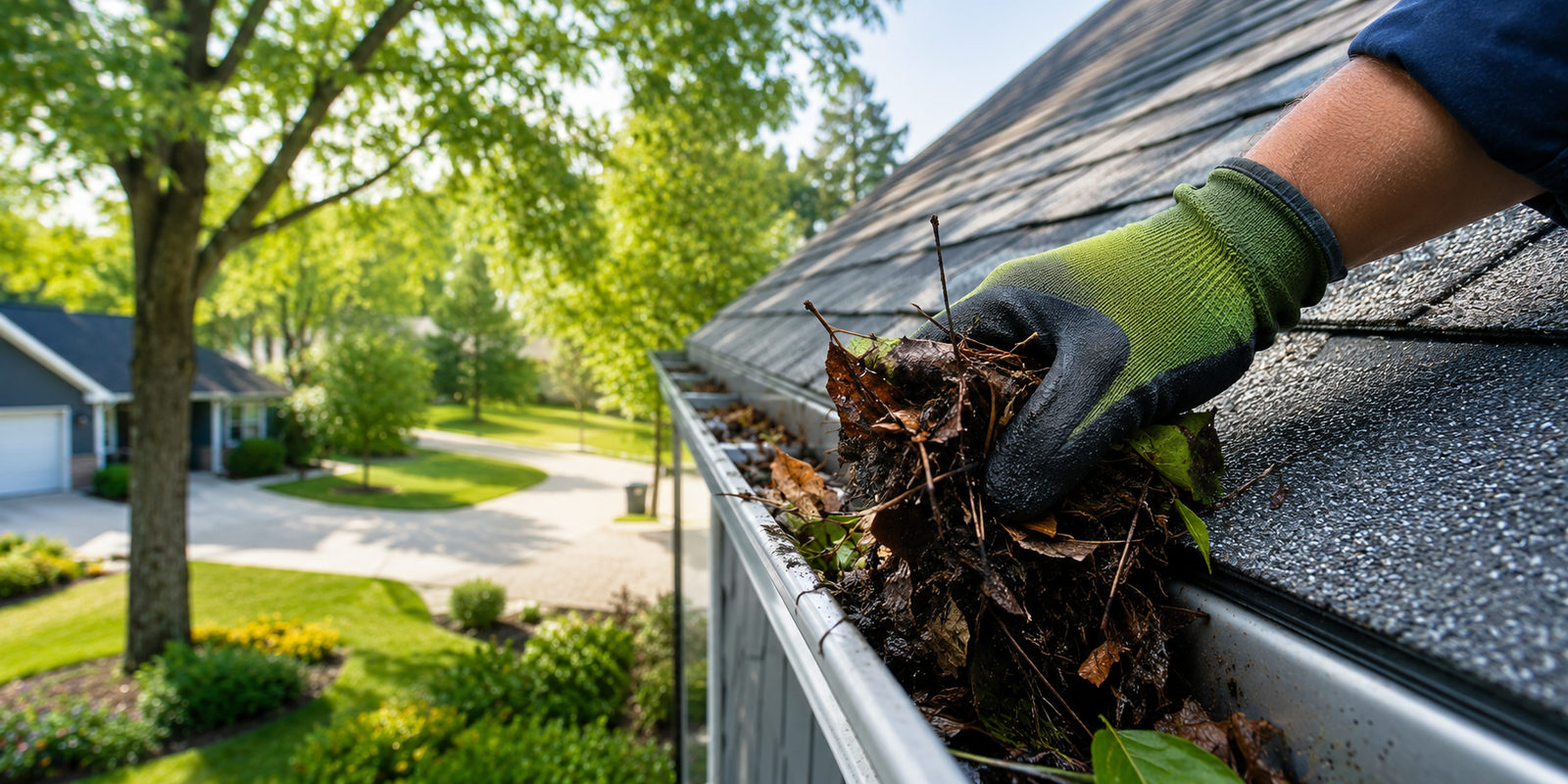
3. Faulty Gutters and Downspouts
Clogged or broken gutters can cause water to overflow and seep into walls or your home’s foundation.
4. Plumbing Leaks
Leaky pipes, even small ones, can create hidden moisture problems behind walls or under floors.
5. Foundation Cracks
Water can enter through cracks in your basement or foundation, especially during heavy rain.
Warning Signs of Moisture Damage
Early detection can save you from expensive repairs. Watch for:
- Musty odors
- Water stains on ceilings or walls
- Peeling paint or bubbling drywall
- Mold spots or discoloration
- Condensation on windows
If you notice any of these, it’s time to take action
Effective Ways to Protect Your Home
Preventing moisture damage requires a combination of maintenance and smart upgrades.
1. Maintain Your Roof
Your roof is your home’s first line of defense. Regular inspections and timely repairs can prevent leaks before they start.
2. Improve Ventilation
Install exhaust fans in bathrooms and kitchens, and ensure your attic has proper airflow to reduce humidity buildup.
3. Clean and Repair Gutters
Keep gutters free of debris and ensure downspouts direct water away from your home’s foundation.
4. Seal Cracks and Gaps
Use sealants to close any openings in walls, windows, or foundations where water could enter.
5. Use a Dehumidifier
In humid areas like basements, a dehumidifier can help maintain optimal moisture levels indoors.
6. Upgrade Exterior Protection
Proper siding, insulation, and waterproofing systems add an extra layer of defense against moisture intrusion.
The Role of Professional Inspections
While DIY maintenance is helpful, professional inspections can identify hidden issues that aren’t visible to the naked eye. Experts can assess your roof, attic, and foundation to ensure your home is fully protected.
Final Thoughts
Moisture control is one of the most important aspects of home maintenance. By staying proactive and addressing issues early, you can prevent costly damage and maintain a safe, comfortable living environment.
A dry home isn’t just about comfort—it’s about protecting your investment for the long term.